Gujarati Full Thali: Six Writers, One Evening at NCPA
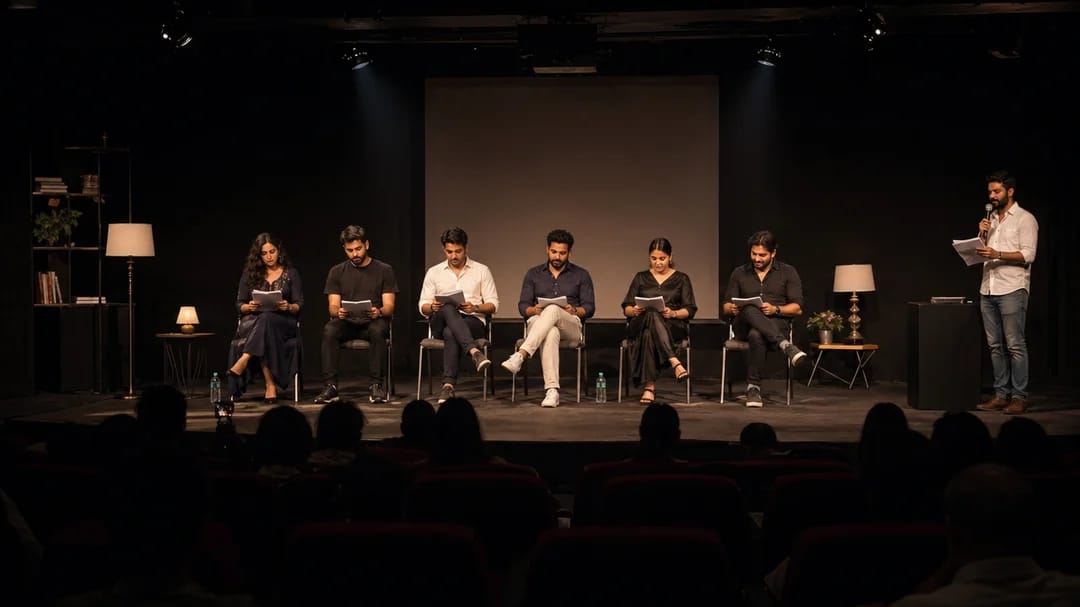
An NCPA Off-Stage presentation in collaboration with Ideas Unlimited, curating six voices that shaped modern Gujarati literature — read by some of Gujarati theatre’s finest, on July 12, 2026.
Behind-the-scenes stories, directorial notes, and reflections on 35 years of theatre.

An NCPA Off-Stage presentation in collaboration with Ideas Unlimited, curating six voices that shaped modern Gujarati literature — read by some of Gujarati theatre’s finest, on July 12, 2026.

Abbas Abdul Ali Vasi dropped out of school in the second grade. He died on a Mumbai street at sixty-six. In between, he wrote the poetry that made him the Ghalib of Gujarat. The play has been running for twenty years.
In a world dominated by screens, live Hindi theatre remains one of the most powerful ways to hold a mirror to Indian society.
From Master Phoolmani in 1999 to Clean Bold in 2025, a look back at the productions, people, and moments that defined Ideas Unlimited.
When the Indian Military invited us to perform at the Siachen base camp, we said yes without hesitation. Here’s what happened next.

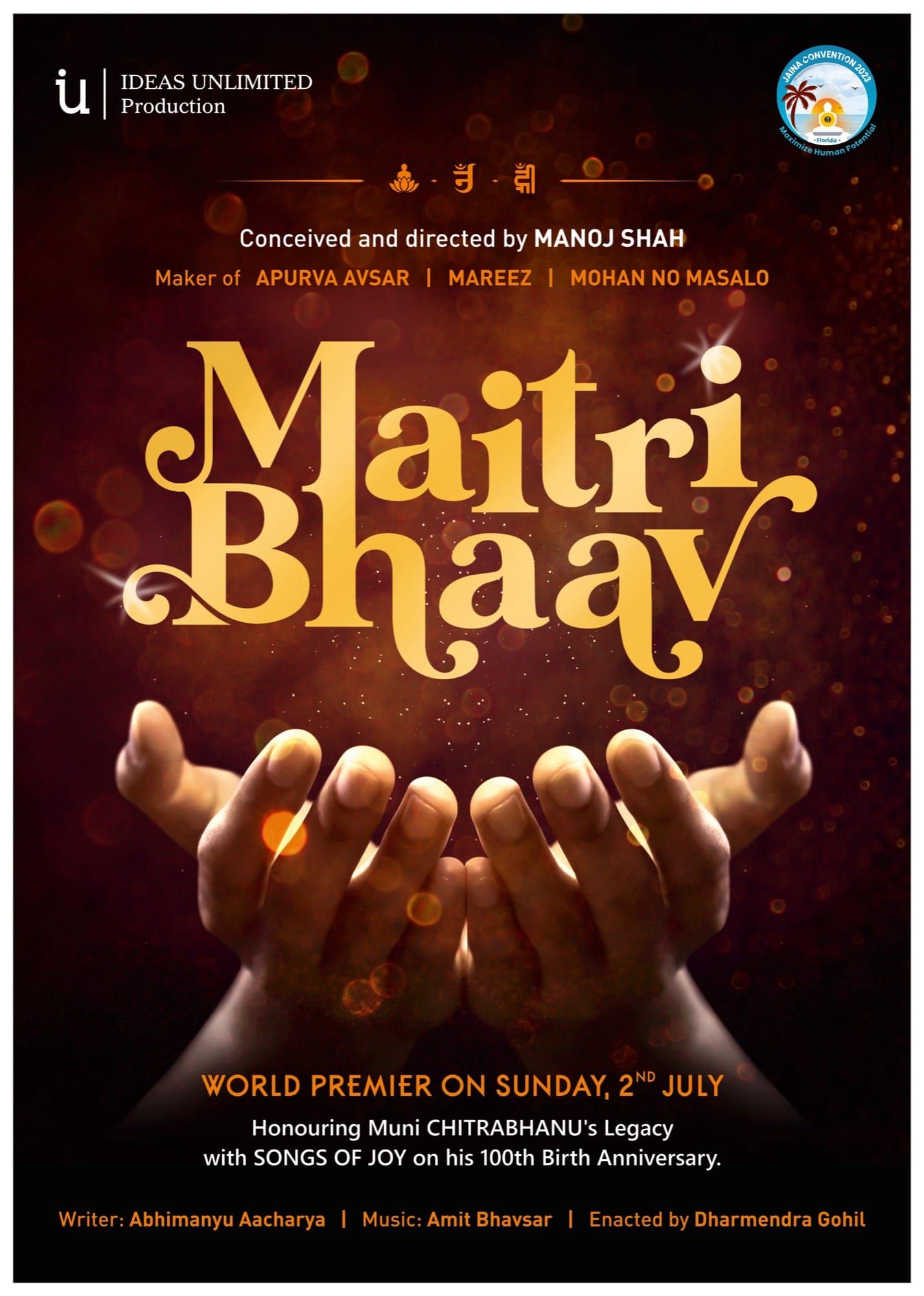
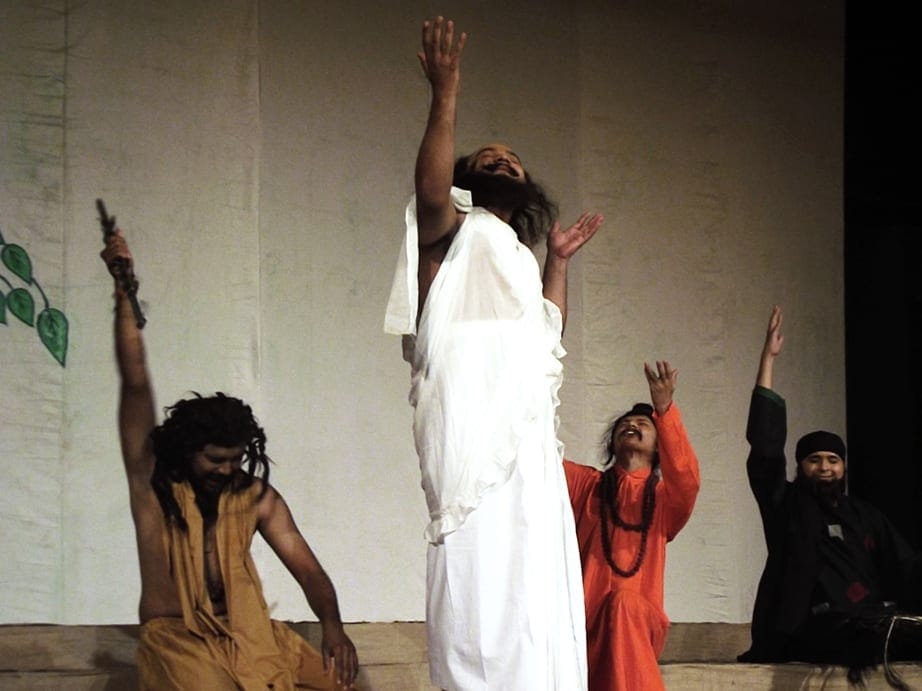
Chitrabhanu wrote the prayer Gujarati schoolchildren still sing every morning — then gave up twenty-nine years of monkhood to become the first Jain monk to address the West. Ideas Unlimited staged his life for his centenary.

The story behind one of our most popular plays — imagining what would happen if Karl Marx visited a chaotic Mumbai neighbourhood. Twelve years and counting.
At eighteen, Ruttie Petit defied her family, her faith, and Bombay society to marry Muhammad Ali Jinnah. By twenty-nine, she was dead. Ideas Unlimited’s Gujarati play recovers her story.
Staging the same play in Gujarati, Hindi, and Marathi taught us more about India’s linguistic soul than any textbook ever could.
Duncan Macmillan and Jonny Donahoe’s Every Brilliant Thing has been performed in over 80 countries. When Satchit Puranik adapted it into Gujarati and RJ Devaki stepped on stage, something shifted.
A man is taken to court for being happy. His crime: contentment in a world that demands ambition. Ideas Unlimited’s Kaagdo asks the question nobody wants answered.

Ideas Unlimited's 2018 play on Mahavir hands the narration to King Shrenik of Magadha — and spends its first half not on the teacher at all, but on ordinary people settling small debts.
India’s first female doctor died at twenty-two. A hundred and thirty years later, Manasi Joshi stands alone on a bare stage and asks: has anything changed for Indian women?

In north Gujarat the letter ળ collapses into ર, and Kamla comes out as Kamra. Devanshu Pandit built a whole play on that slip — a wife’s hour-long complaint about her retired husband, followed by the husband’s reply.

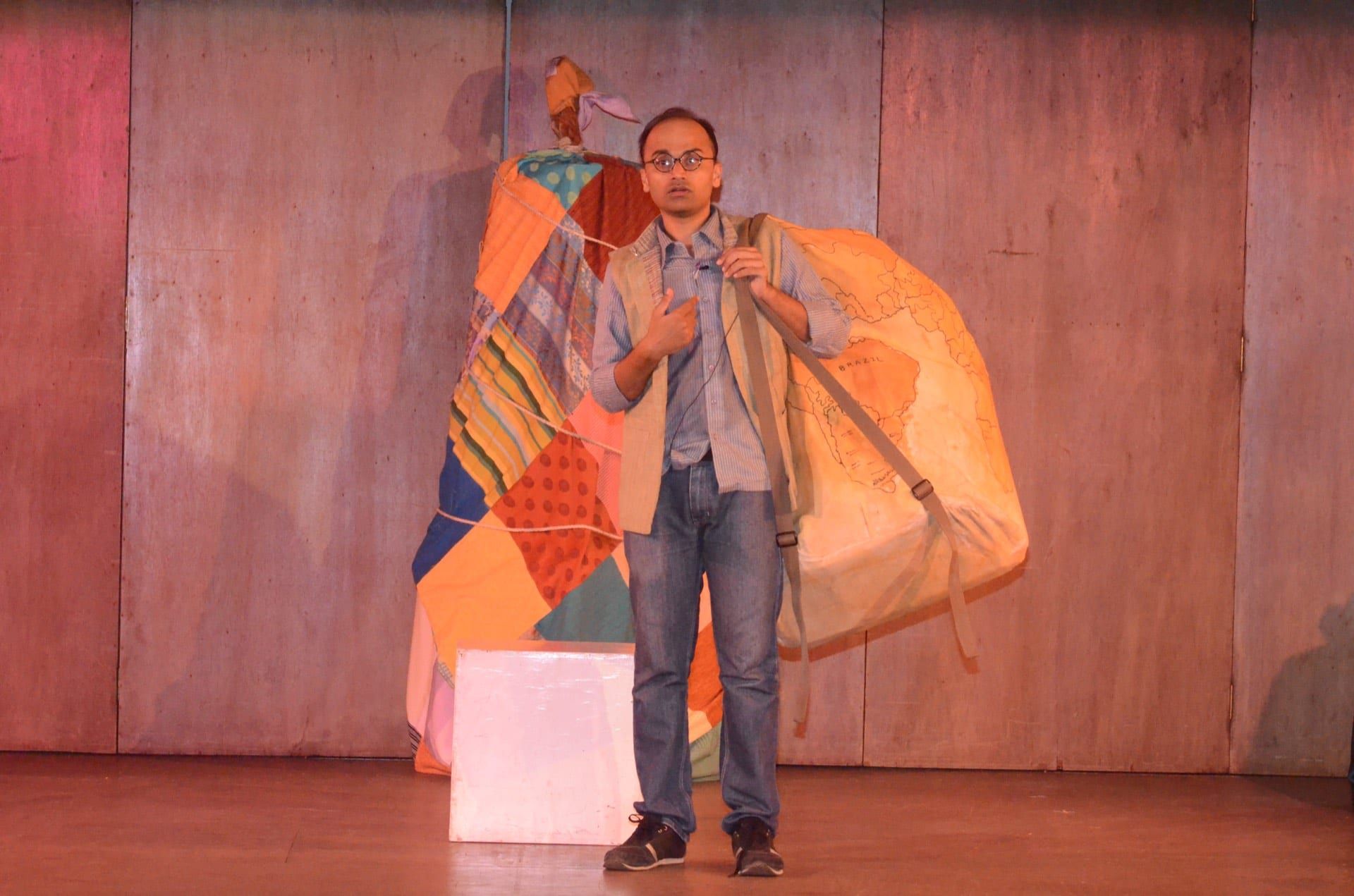
C. C. Mehta wrote twelve volumes of travel and called every one of them a bundle. In 2016 Ideas Unlimited put his life on a bare stage with two of them — and opened on World Theatre Day, the date his own record says he proposed.

Dhiruben Patel wrote a comedy about teenagers who think their parents are holding out on them. Manoj Shah staged it for the NCPA Summer Fiesta in 2015 — for children, the poster said, aged six to a hundred and six.

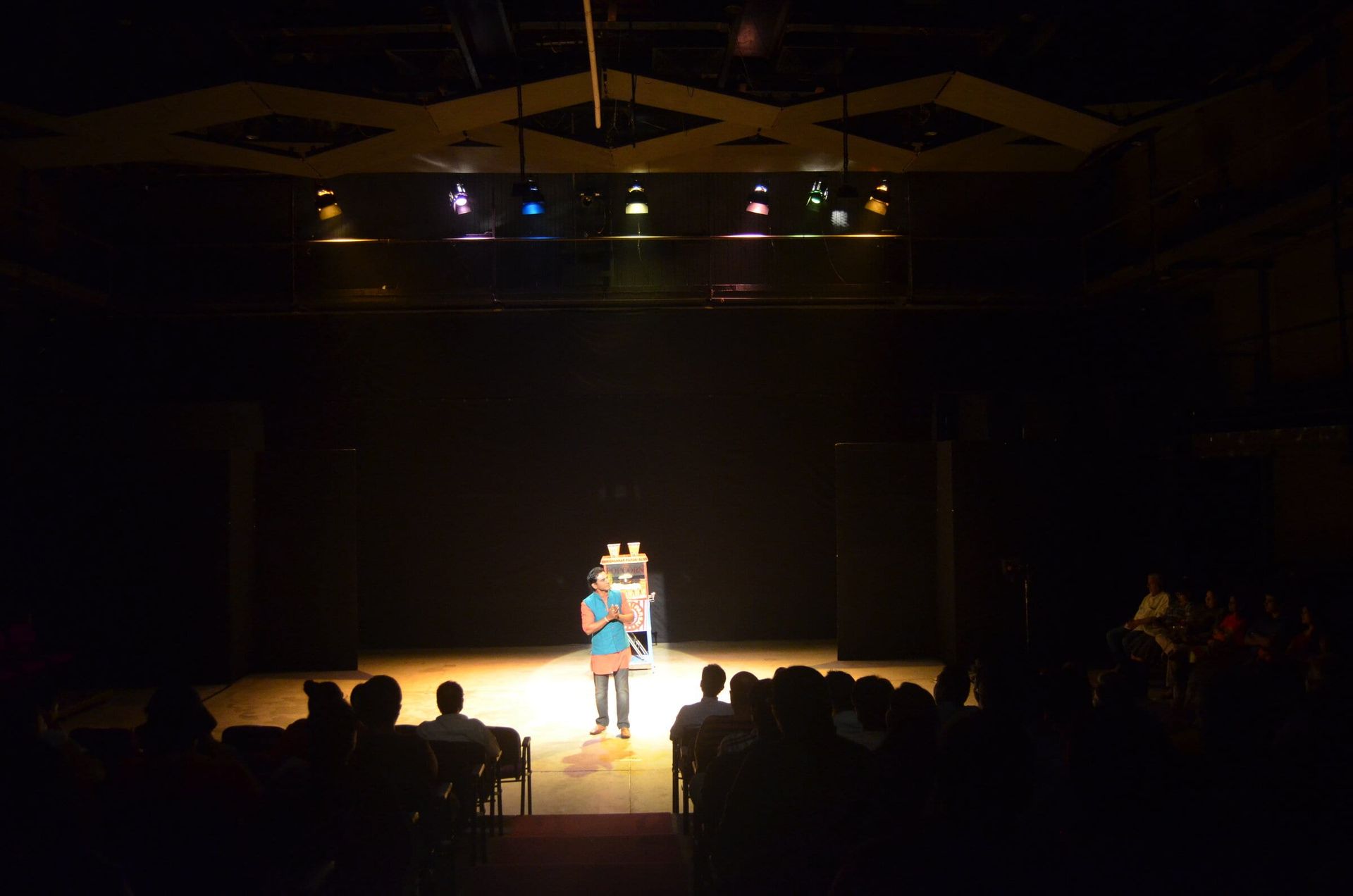
Harishankar Parsai wrote essays, not plays — no plot, no characters, nothing an actor can stand inside. In December 2014 Manoj Shah put a popcorn cart on the NCPA stage, gave Dayashankar Pandey an hour alone with it, and found the one form that could hold him.

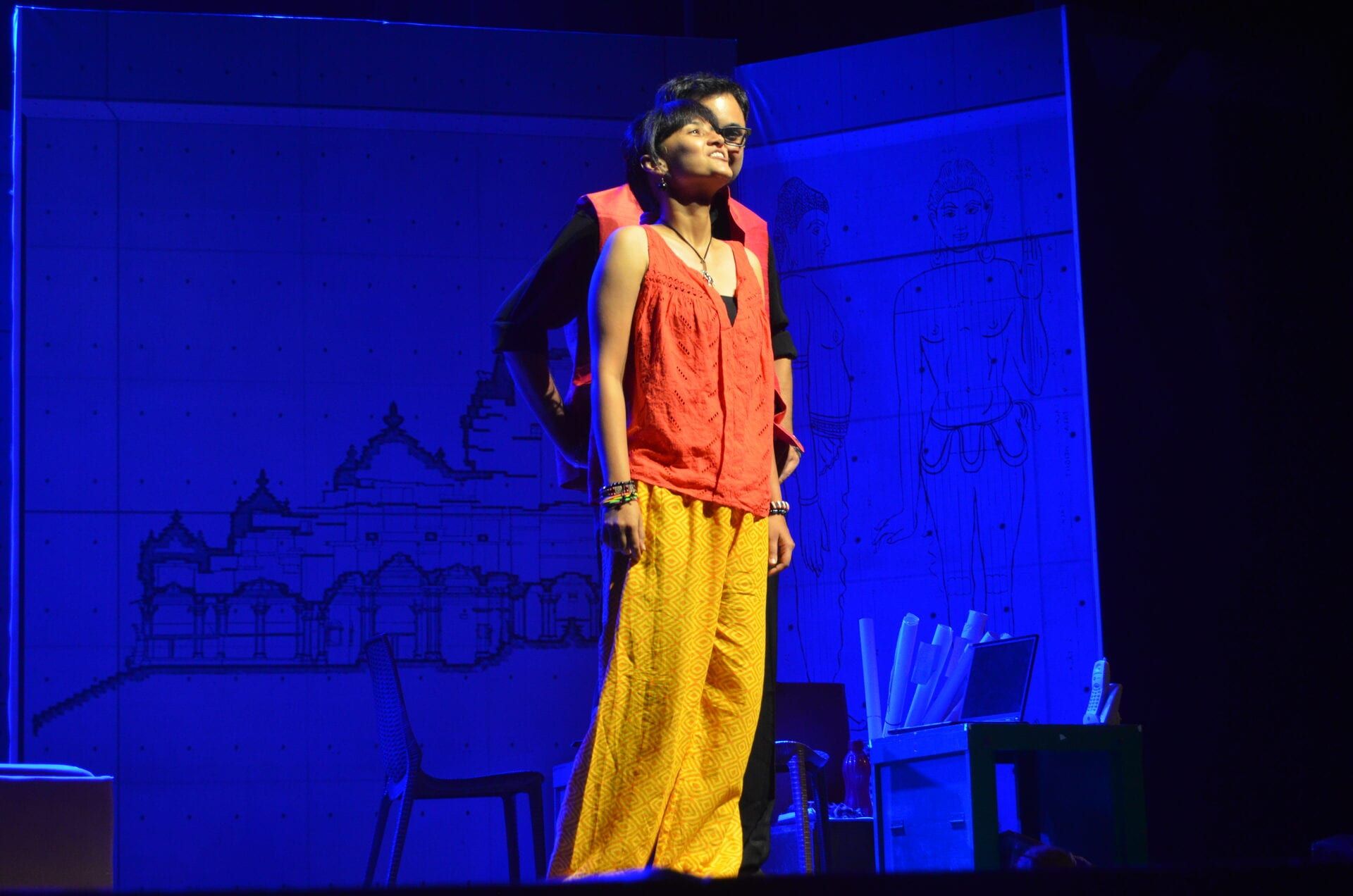
Every major Ibsen had been translated into Gujarati except one. In 2014 Manoj Shah went looking for it — and turned Halvard Solness into a Mumbai temple architect who believed he was God.
A thousand years before Bunyan’s Pilgrim’s Progress, a Jain monk named Siddharshi wrote the world’s first allegorical novel. Ideas Unlimited brought its 16,000 verses to life on stage.

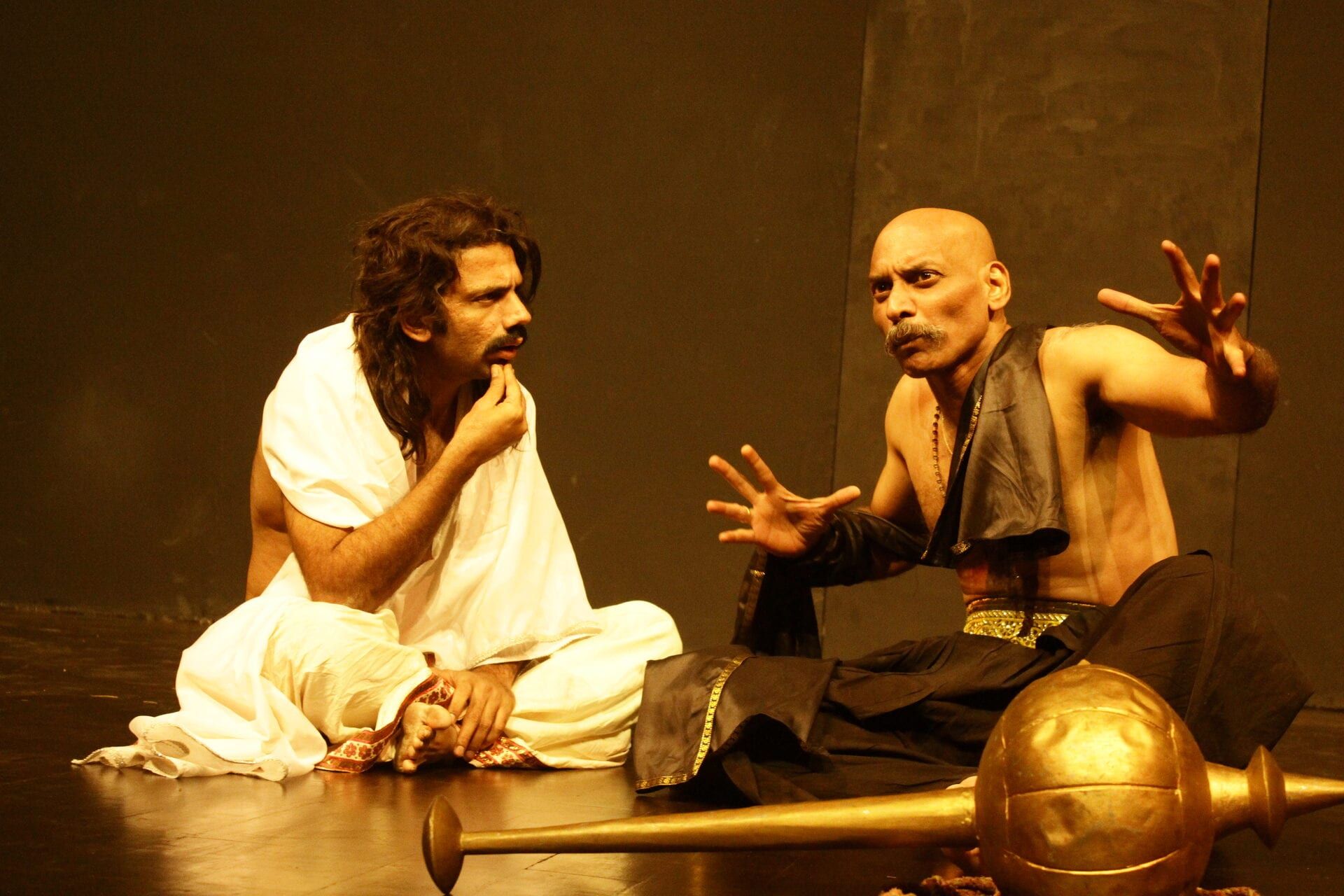
Bhagavadajjukam is roughly 1,600 years old, survived only inside Kerala's Kutiyattam repertoire, and is about a monk and a courtesan who swap souls by accident. Ideas Unlimited staged it in Gujarati for the Prithvi Theatre Festival's world-classics year.

He authored 178 books, served as Sheriff of Mumbai, got arrested for a short story, defied Bal Thackeray, and never apologised to anyone. The play that brings Gujarati literature’s most controversial writer to the stage.
Everyone knows Maharana Pratap. Almost no one knows the man who made his resistance possible. Ideas Unlimited’s Hindi historical drama recovers the extraordinary story of Bhamashah.

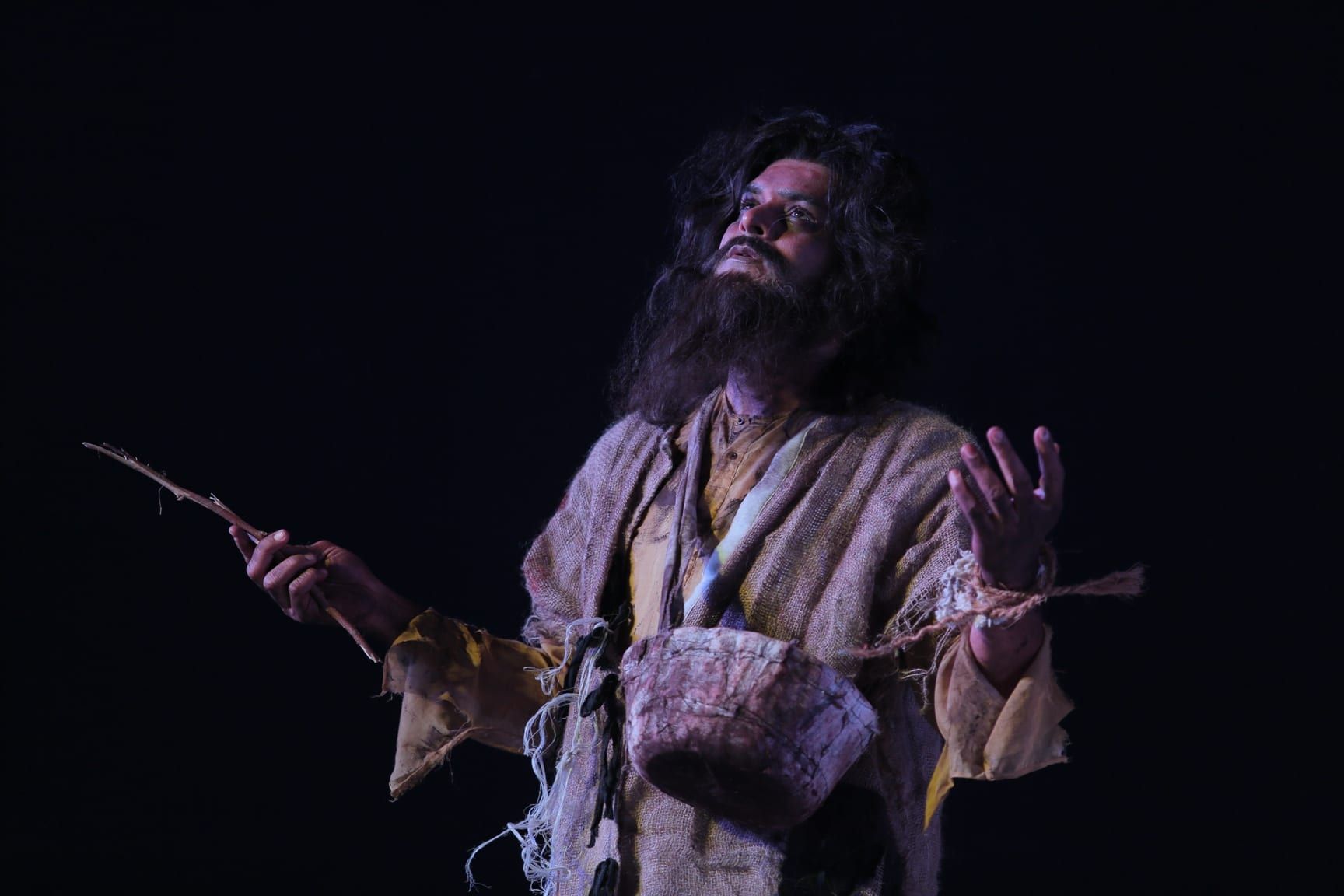
He left no autobiography, no monastic record, no portrait. He wandered the forests of Rajasthan singing padas that crossed every sectarian boundary. His name means ‘cloud of bliss.’ Ideas Unlimited staged the life of Avdhoot Anandghan from nothing but oral tradition and song.

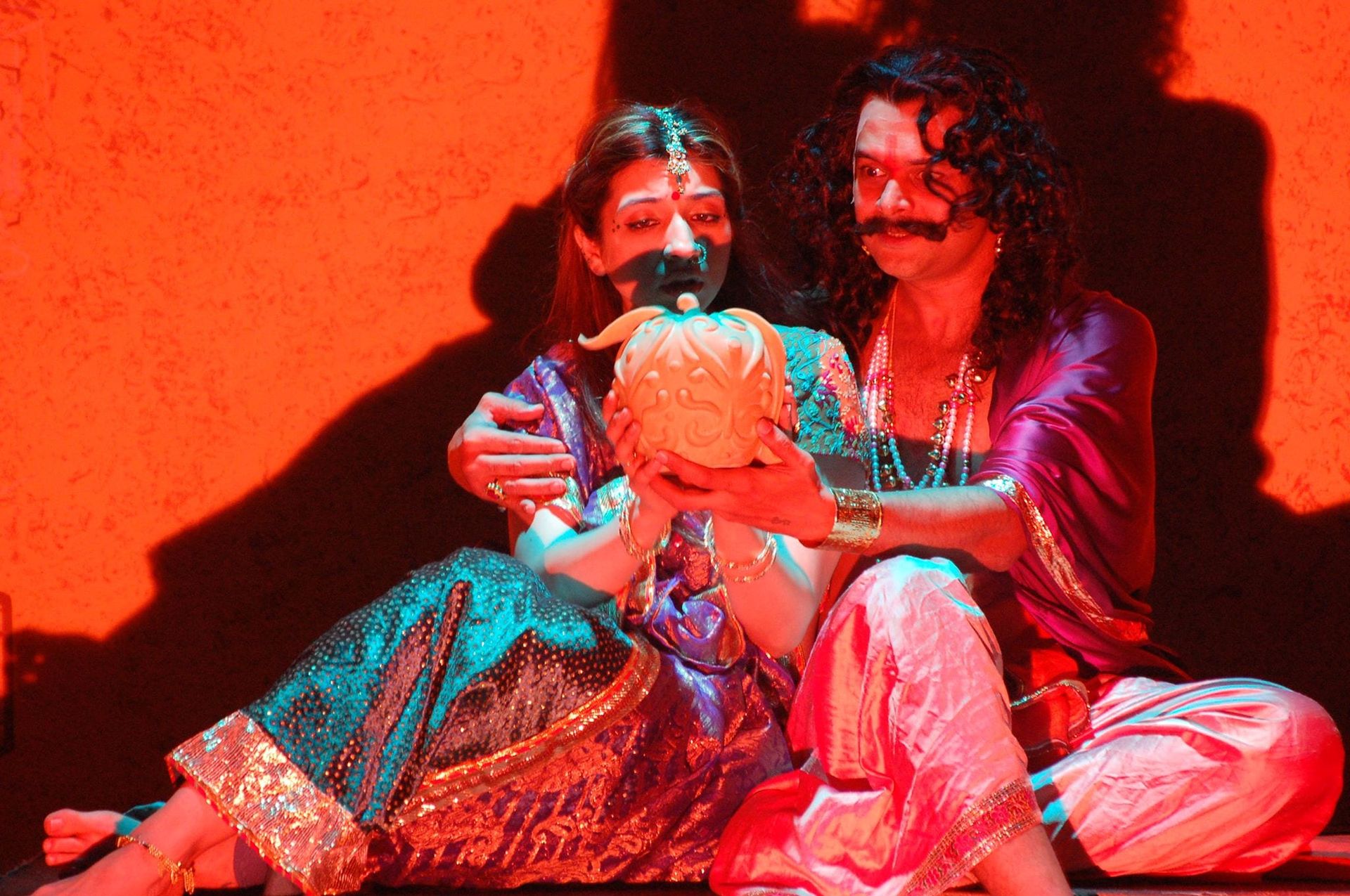
A 5th-century king receives the fruit of eternal life and gives it to the woman he loves. What follows is betrayal, renunciation, and three Sanskrit texts that shaped Indian philosophy for fifteen centuries. Ideas Unlimited staged it in Gujarati in 2010.

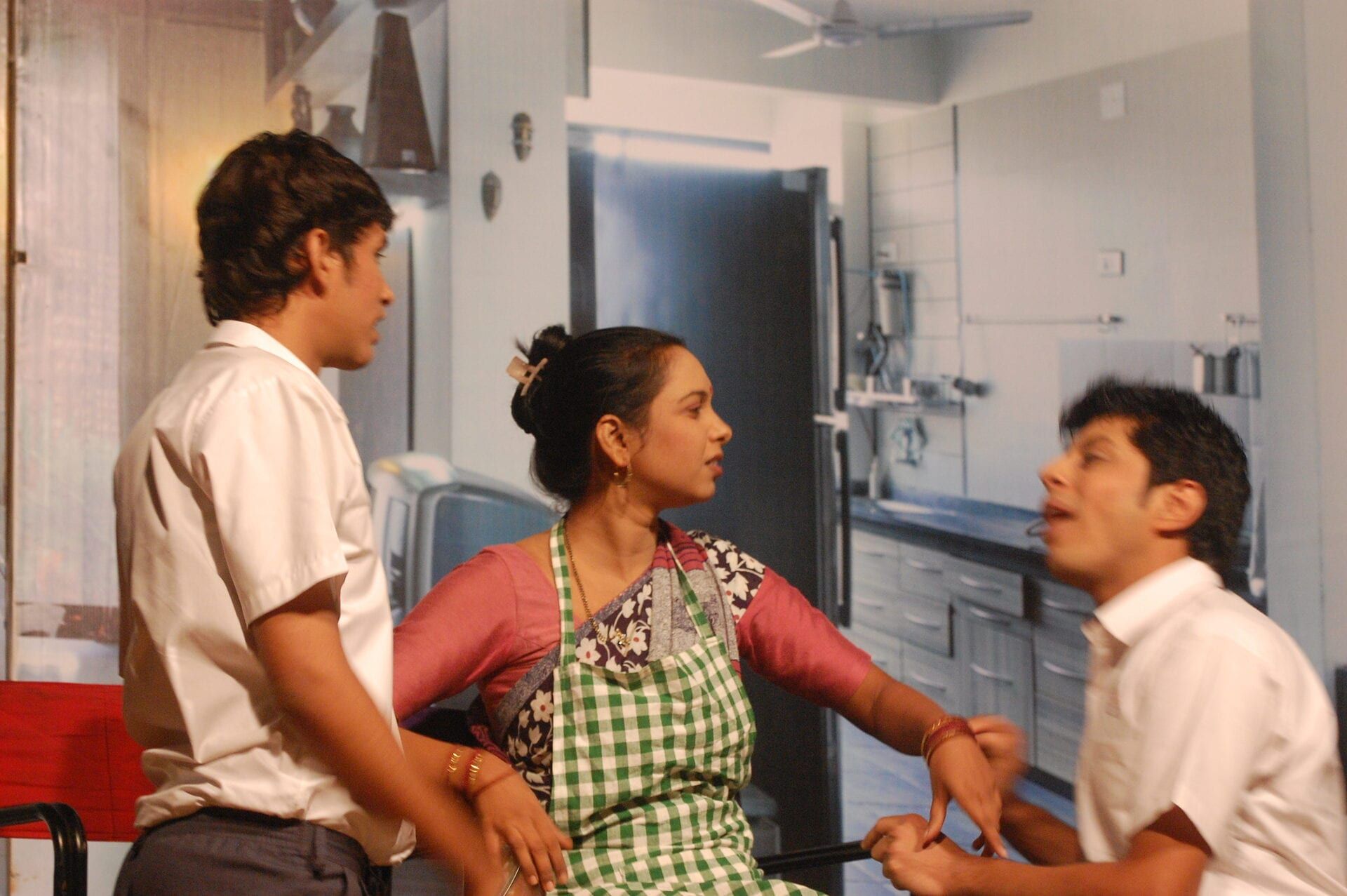
Dhiruben Patel wrote a comedy about children who are ashamed of their mother and remake her into a 21st Century Mom. Ideas Unlimited staged it in the GRIPS form — adults playing the kids — and ran it past sixty performances.

Acharya Hemchandra wrote the first grammar of the language that became Gujarati, and set down the Fibonacci recurrence fifty years before Fibonacci. In July 2009 Ideas Unlimited put him on a stage in Buena Park — and a Gujarati play produced in India had its world premiere in America.

Two thirteenth-century brothers built the finest marble carving in India. Dineshbhai Modi's play begins a generation earlier, with the widow remarriage that produced them — and the father who asked what society would say.

Married at fourteen. India’s first women’s magazine editor. Invited to the Parliament of World Religions before Vivekananda. Dead at forty. The story of Manilal Dwivedi, the man Gujarati literature is named after.

In 2008, Ideas Unlimited brought Rabindranath Tagore’s fierce allegory of institutional rigidity to Kolkata’s Tagore Festival — in Gujarati. The story of how a nearly-forgotten adaptation by Gandhian intellectuals found new life on stage.

He recalled his past lives at seven, performed a hundred simultaneous tasks at nineteen, answered Gandhi’s deepest spiritual questions by letter, and died at thirty-three. Ideas Unlimited’s Gujarati play recovers the man behind the Mahatma.

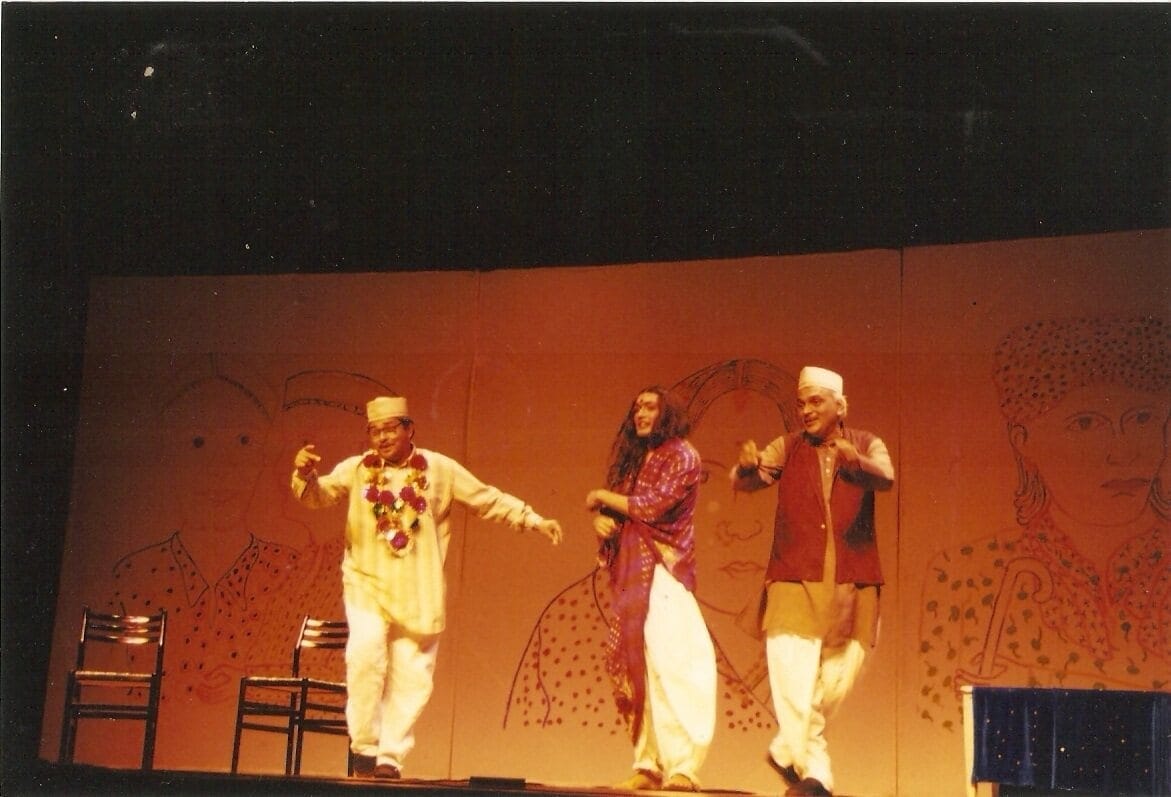
Bhangwadi Theatre ran all-night musicals, showered its singers with coins, and closed in 1968. In 1999 Manoj Shah rebuilt it on a bare stage with twenty-nine live songs and a backdrop painted by Bhupen Khakhar — and ran it for sixteen years.