Dr. Anandibai in Three Languages
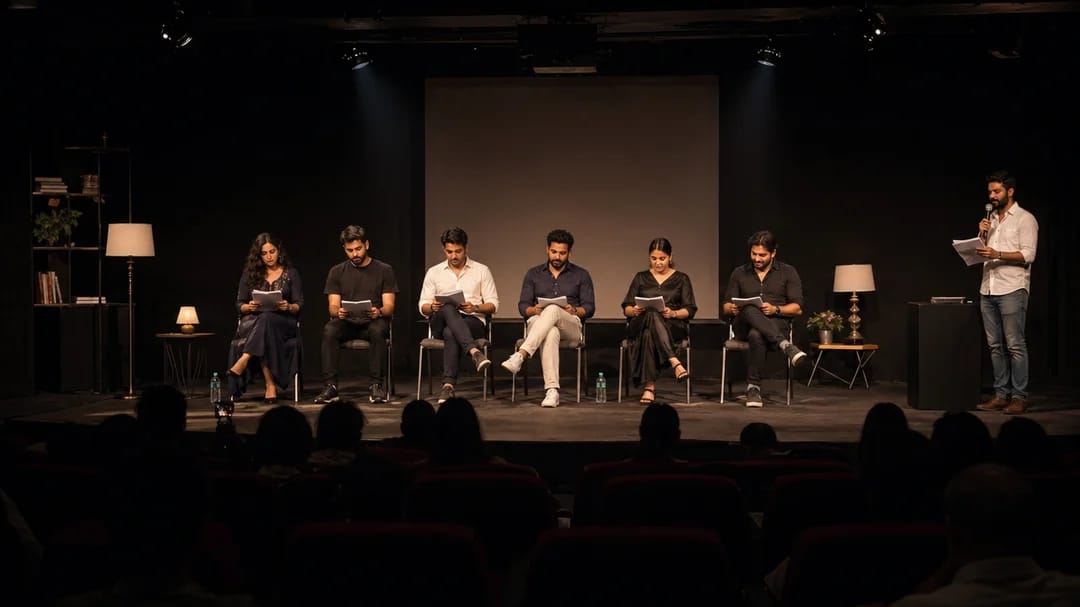
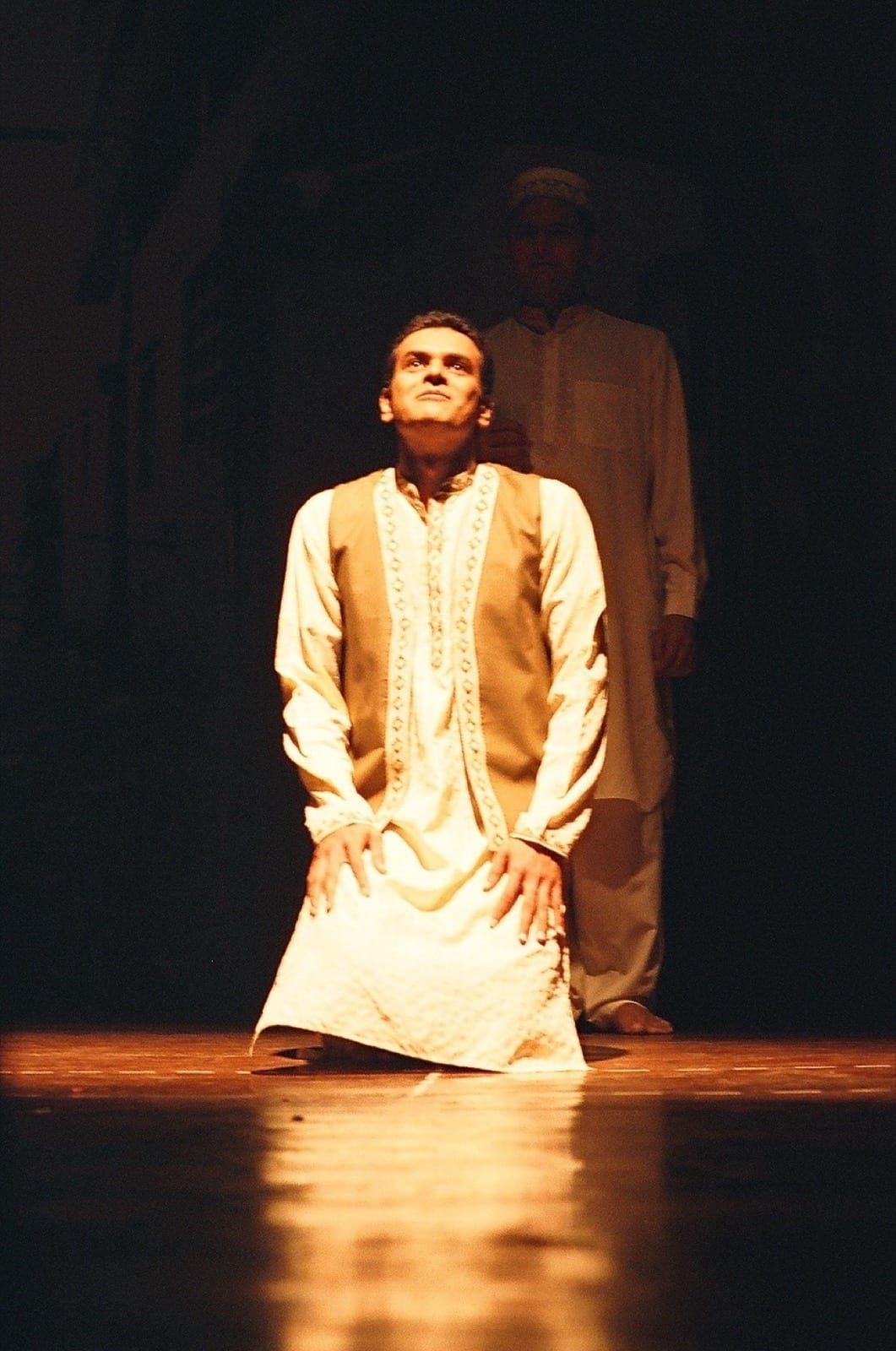
Dr. Anandibai Joshi was India’s first female doctor. She was Marathi by birth, educated in an English-speaking world, and her story resonates across every linguistic community in India. So when Gita Manek wrote the play for us, we knew from the start that one language wouldn’t be enough.
The Gujarati version came first, in 2017. Manasi Joshi performed it with a ferocity that took everyone by surprise. The play is structured as a social media interaction — Like, Comment, Share — which gives it a contemporary edge that makes a 19th-century story feel urgently modern.
The Hindi version followed in 2018, for Bhavan’s College. Here’s what fascinated us: the same lines, translated into Hindi, carried different emotional weight. Hindi’s Urdu-inflected vocabulary gave certain scenes a poetic quality that the Gujarati version expressed through directness.

Then came the Marathi version for the Damu Kenkre Festival. This was the most personal — Anandibai was Marathi, and performing her story in her own language felt like bringing her home. The audience response was visceral.
What we learned from this experiment is something we’ve always intuited but never proved so clearly: language isn’t just a vehicle for content. Language IS content. The same story told in three languages becomes three different stories — each true, each complete, each revealing something the others cannot.
This is why Ideas Unlimited will always be a multilingual company. Not because it’s good business — it’s actually harder and more expensive — but because India itself is multilingual, and any theatre that claims to reflect India must speak in more than one tongue.