Bombay Flower: The Parsi Socialite Who Married the Man Who Divided India
Sarojini Naidu called her the ‘Flower of Bombay.’ She was born Rattanbai Petit in 1900, daughter of Sir Dinshaw Petit, second baronet — one of the wealthiest and most prominent Parsi families in colonial India. She grew up in a mansion, attended by servants, educated in the finest traditions of an elite Bombay household. At sixteen, she met Muhammad Ali Jinnah at a dinner party. He was forty, a brilliant barrister, the most charismatic Muslim leader in Indian politics, and twenty-four years her senior. Two years later, on her eighteenth birthday, she married him.
The marriage outraged everyone. Sir Dinshaw sued Jinnah under the Guardians and Wards Act to prevent it — and lost, because Ruttie had turned eighteen. She converted to Islam, took the name Maryam Jinnah, and walked out of the Petit household forever. Her parents performed an uthamna — a Parsi death ritual — for their living daughter. She was dead to them.
What followed is one of the most tragic personal stories in Indian political history. Ruttie’s exuberance and warmth clashed with Jinnah’s emotional austerity and consuming political ambition. She turned to theosophy, opium, alcohol. She wandered alone through Europe. She came back. She left again. On February 20, 1929, she died in Bombay at twenty-nine. Jinnah, the man who would go on to create Pakistan, wept openly at her funeral. It was one of the only times anyone saw him weep.
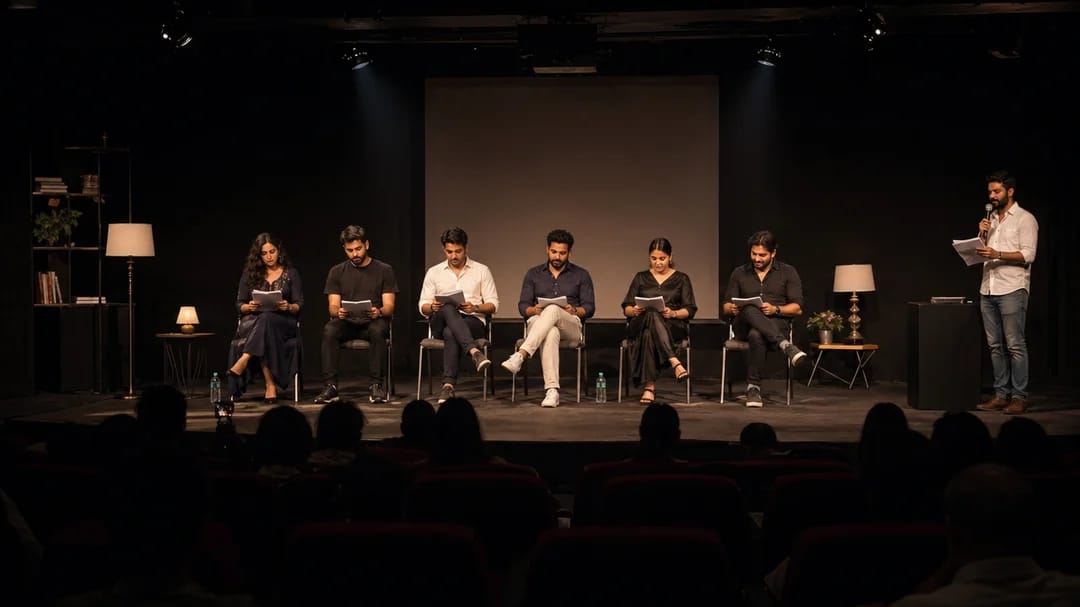
This is the story that Geeta Manek dramatised for Ideas Unlimited as Bombay Flower. The script was drawn from Sheela Reddy’s Mr and Mrs Jinnah: The Marriage That Shook India and Rajendra Mohan Bhatnagar’s Ruttie Jinnah: Ek Alag Drashtikon. It took four years to develop. Manoj Shah initially envisioned a one-woman play, but the story demanded more voices. “When we started working on it, something was amiss,” he told The Indian Express. “So we brought in Jinnah. Still unconvinced, we had to add a few more characters — Ruttie’s parents, Jinnah’s sister, and Kanji Dwarkadas.”
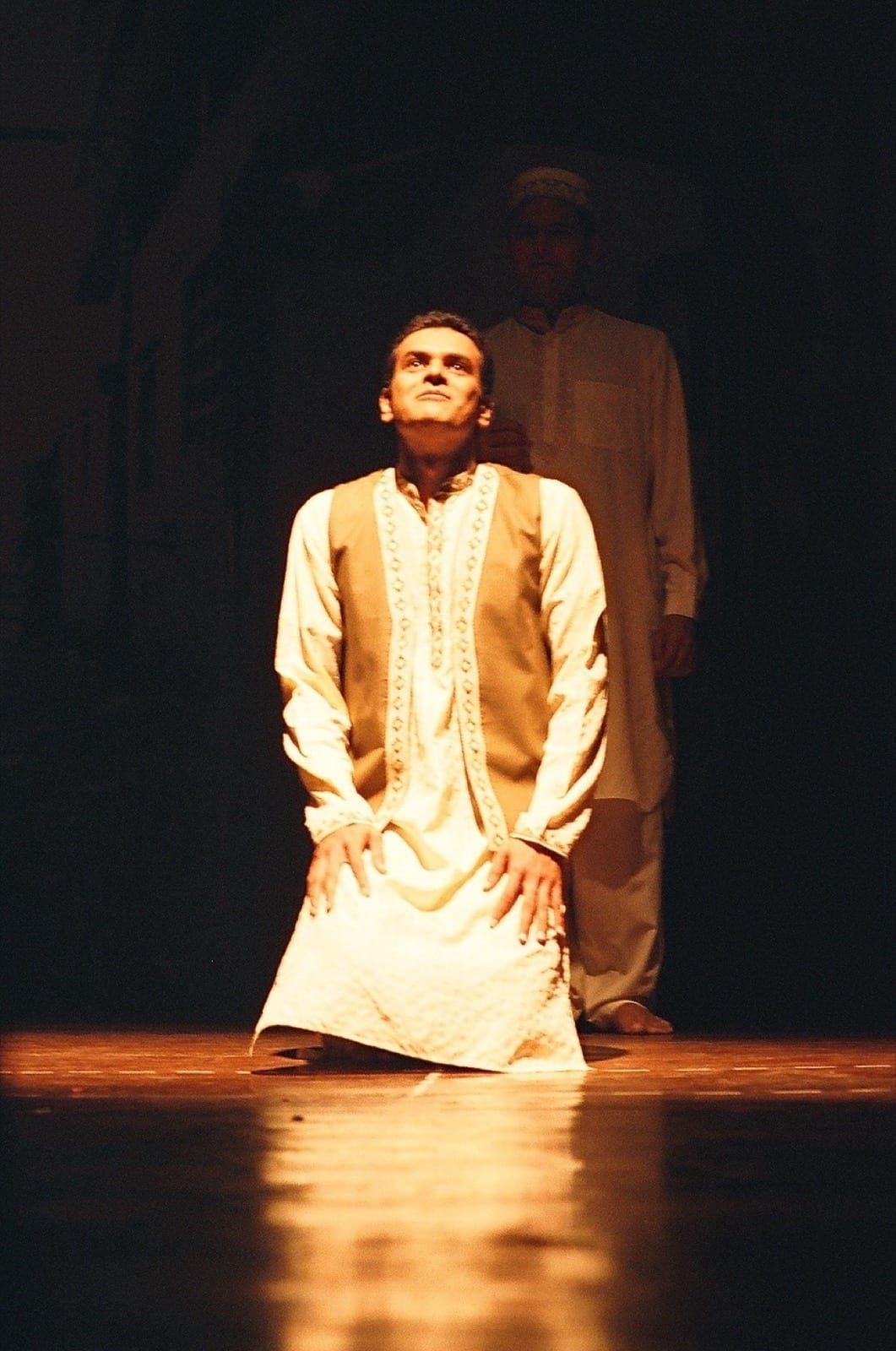
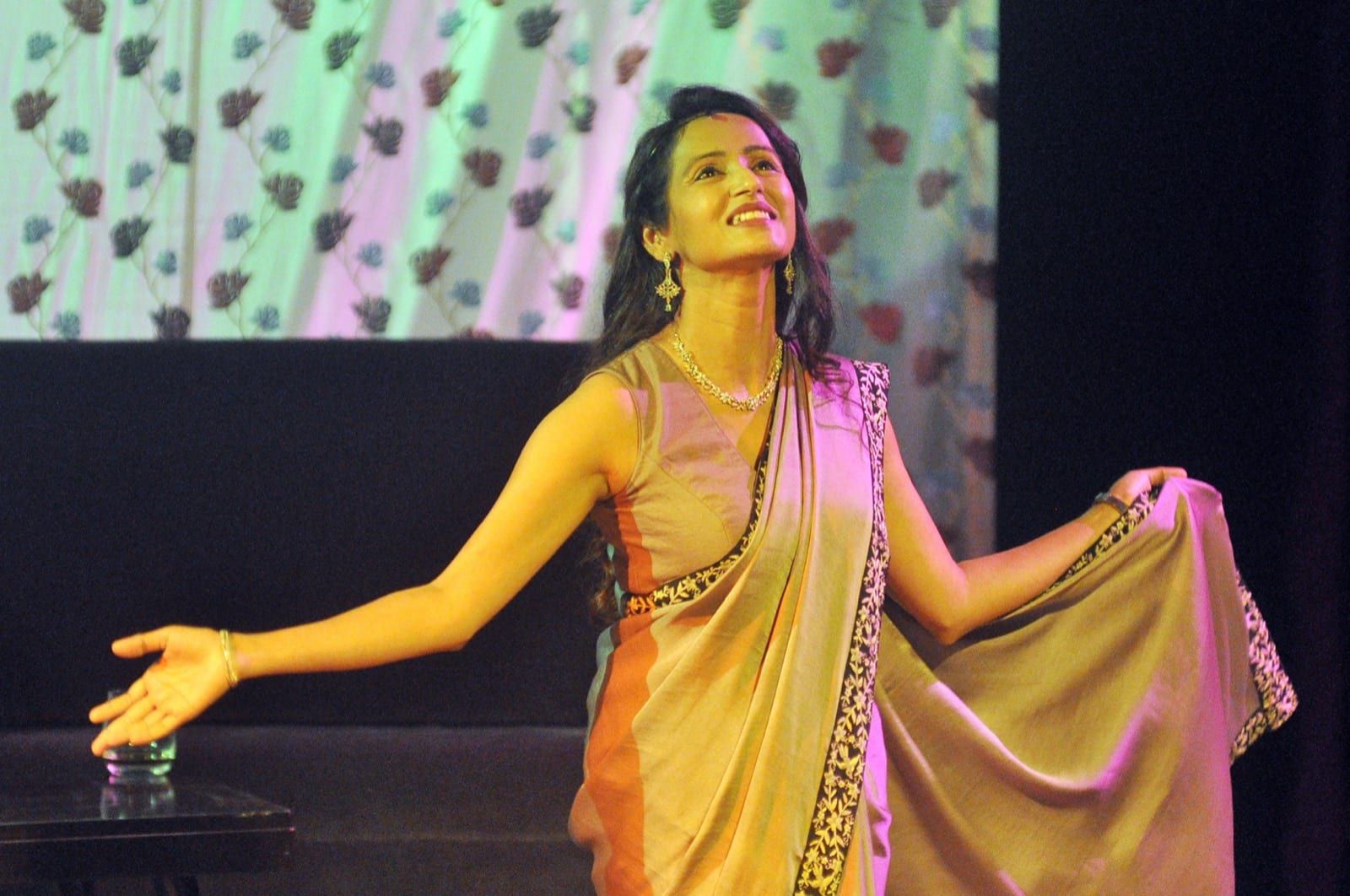
The play premiered to a full house at the Experimental Theatre, NCPA on March 26, 2023 — an NCPA co-production. Bhamini Oza Gandhi played Ruttie with what the Parsiana magazine’s Farrokh Jijina called a performance of ‘highs and lows’ that captured both the exuberance and the disintegration. Vishal Shah brought Jinnah to life — charming, remote, obsessed with politics. Naman Sheth played Kanji Dwarkadas, Rishabh Kamdar was Sir Dinshaw, and Purvi Desai took the dual roles of Lady Dinbai and Fatima Jinnah.
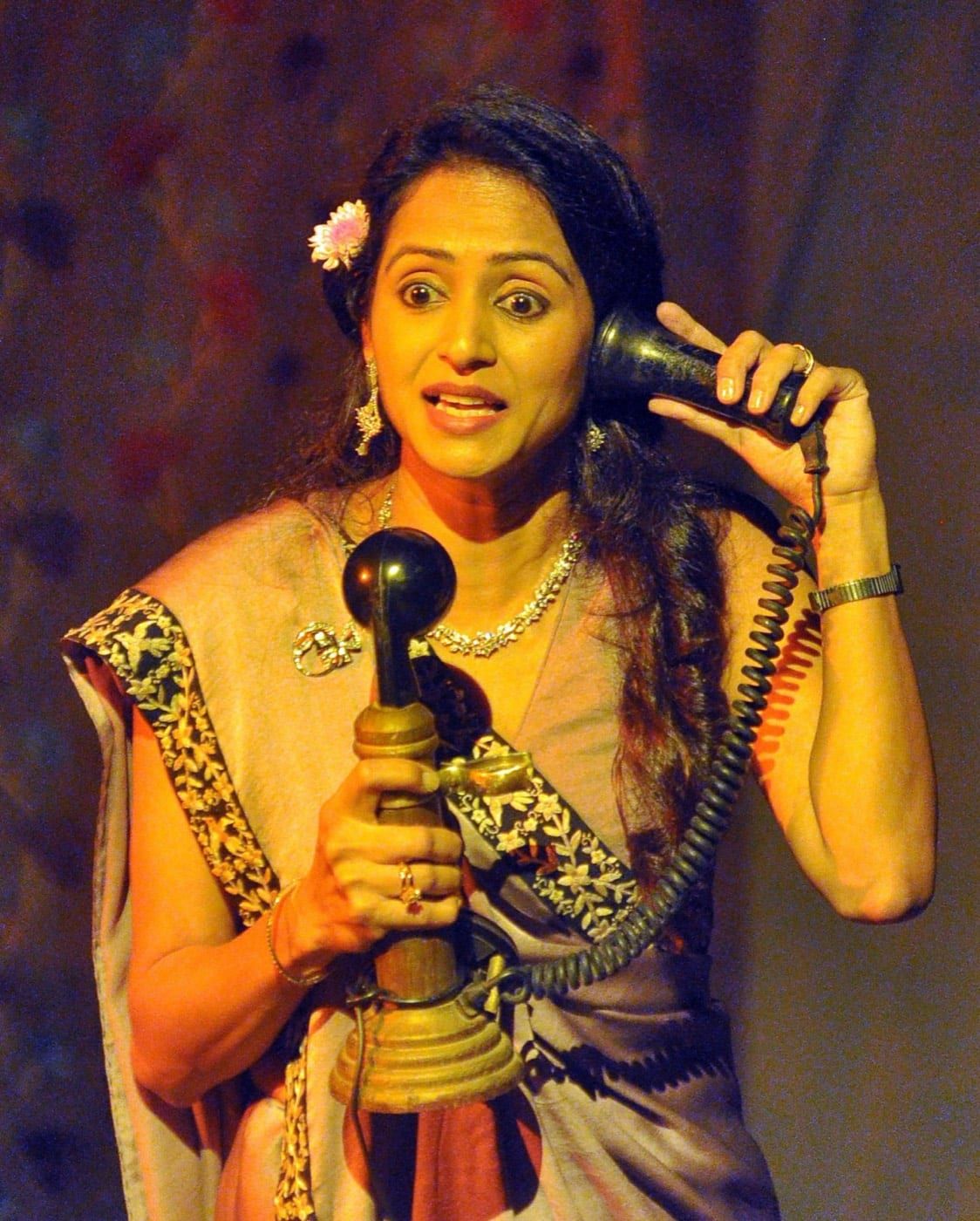
The Parsiana review noted one of the play’s most affecting moments: a telephone scene where Ruttie desperately tries to reach Jinnah through a telephone operator on her birthday. He is not there. He is never there. The monologue — played against an antique telephone, Bhamini’s face shifting from hope to bewilderment to quiet devastation — distills the entire marriage into three minutes.
Bombay Flower is dedicated to Parsi theatre, and this is not a casual gesture. Manoj Shah’s research for Master Phoolmani in 1999 — a play about the Bhangwadi tradition of Gujarati theatre — led him to a discovery that shaped his understanding of Indian stage history: Parsis were the pioneers of Gujarati theatre. They were even pioneers of Urdu theatre. “The reason behind Bombay Flower being dedicated to Parsi theatre,” Shah told Parsiana, “is to recall these contributions so our younger generation respects and learns from this culture.”
The play asks a question that Shah considers urgent in 2023: why would an intelligent, sensitive young woman from a privileged and respectable background choose to elope with a man from a completely different faith and sensibility? The programme notes frame it as an attempt to understand ‘the elements that make even educated and empowered girls today take such decisions.’ It is a delicate framing — neither endorsement nor condemnation, but examination.
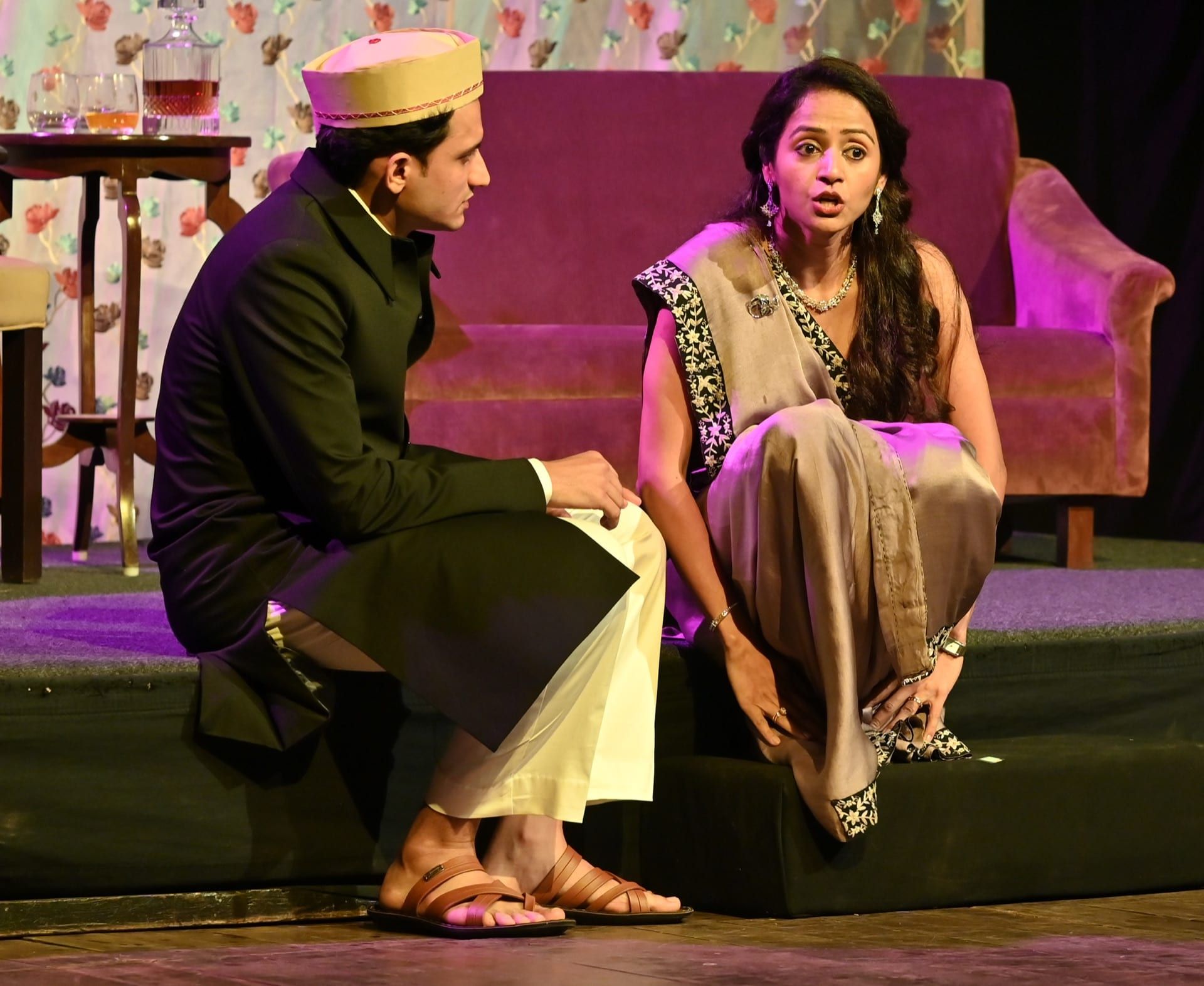
Beyond the personal story, Bombay Flower paints a portrait of a nation on the brink. Poet Iqbal’s ideological seeds germinate in Jinnah’s mind. The demand for Pakistan takes shape. Ruttie’s personal disintegration mirrors India’s impending fracture. The woman who crossed every boundary — family, faith, community — married the man who would draw the most consequential boundary of all.
Ruttie Petit lived twenty-nine years. She has been the subject of at least three books, but until Bombay Flower, she had never been staged. The play does not claim to know her — some fiction is mixed with fact, as Shah acknowledged about the uthamna scene set at Dadysett Agiary. What it does is return her to the place she belonged: a stage in Bombay, where a Gujarati play named after her can bloom for two hours before the lights come down.