Hu Chandrakant Bakshi: 178 Books, One Banned Story, and Zero Apologies
Chandrakant Bakshi was born in Palanpur, Gujarat in 1932 into a Jain family. He studied at St. Xavier’s College, Calcutta, earned degrees in law and history, and worked twelve years in the textile business before becoming a professor of history at Mithibai College, Mumbai. He published his first stories while still in Calcutta. By the time he died of a heart attack in Ahmedabad in 2006, he had written 26 novels, 15 short story collections, 17 books on history and culture, 6 on politics, 8 travelogues, and an autobiography called Bakshinama that remains one of the most extraordinary documents in Gujarati literature. One hundred and seventy-eight books in total. No Gujarati writer before or since has matched that output.
His writing style was deliberately provocative. He wrote Gujarati infused with Urdu, Hindi, and English words — a polyglot prose that mirrored the way educated Indians actually think. His characters were existentialist figures: suffering, frustrated, surviving. His most famous novel, Paralysis (1967), about a professor remembering his life from a hospital bed while half his body is paralysed, was translated into Marathi, English, and Russian. His short story ‘Kutti’ was banned by the Gujarat government and an arrest warrant was issued against him. Bakshi fought the case alone. The government eventually withdrew all charges.
He was also, by every account, an extraordinary egoist. He believed he was the greatest Gujarati writer alive and said so publicly, repeatedly, and without a trace of irony. His newspaper columns were sharp and brutal. When Bal Thackeray’s party demanded an apology for something he wrote, he refused. He never apologised to anyone for anything. He served as Sheriff of Mumbai in 1999 — a ceremonial position that seemed designed for a man who already believed the city belonged to him. His readers loved him for all of it.
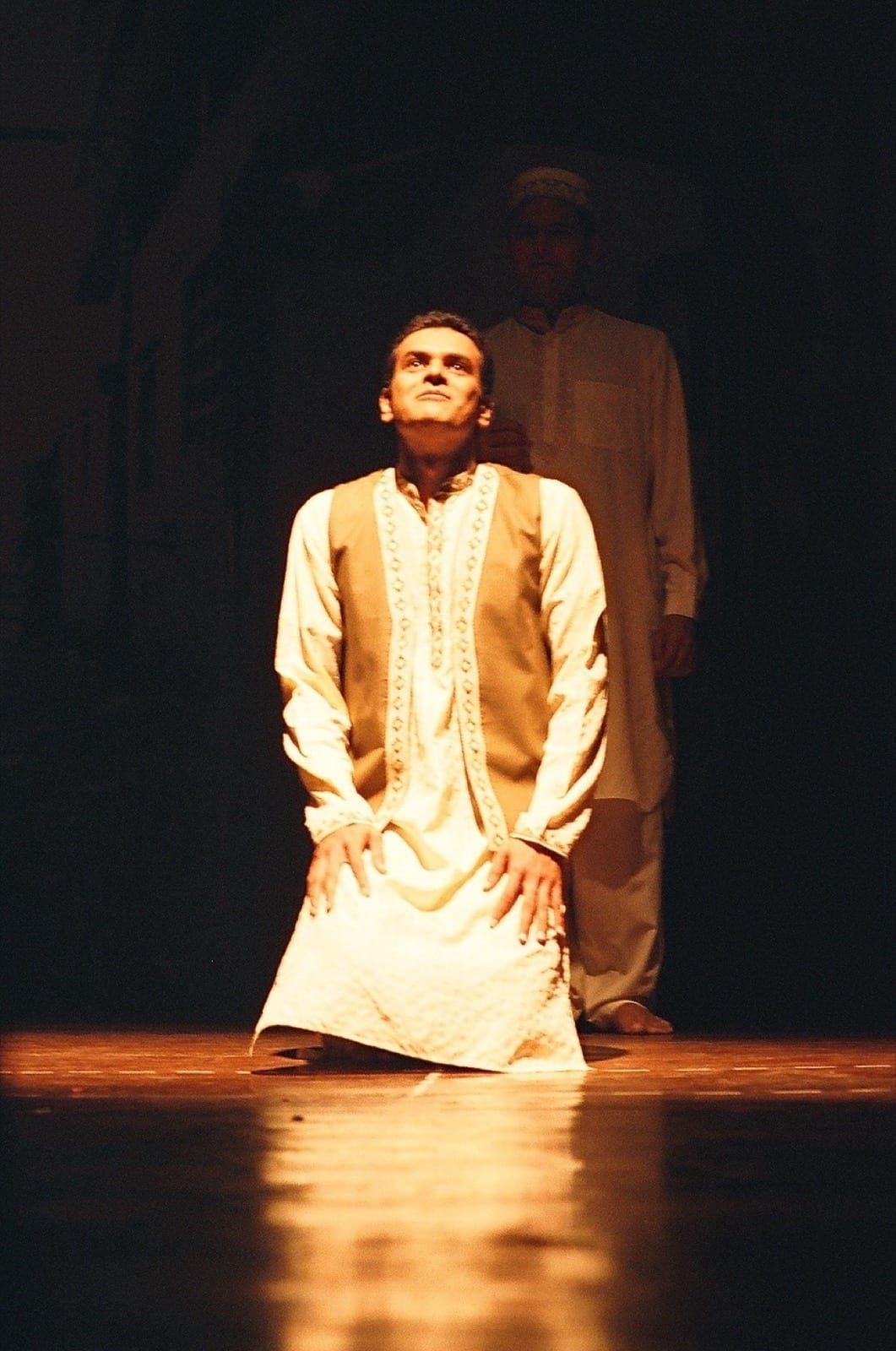
When Bakshi died in 2006, his column stopped but his presence did not. His books continued to sell. His sentences continued to be quoted at dinner parties and literary festivals. And then, in 2013, Ideas Unlimited brought him back to the one place he had never occupied: a stage.
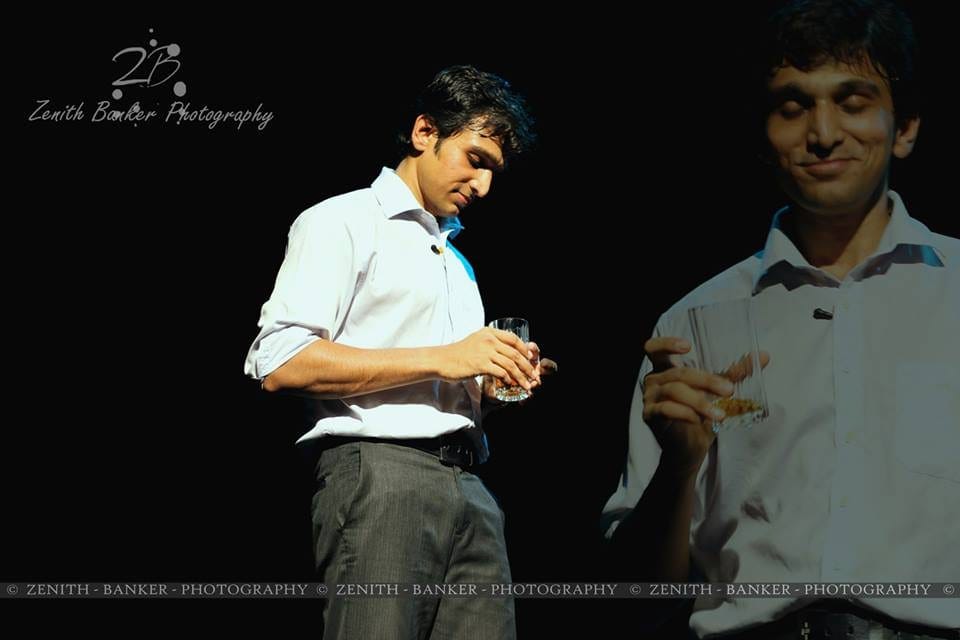
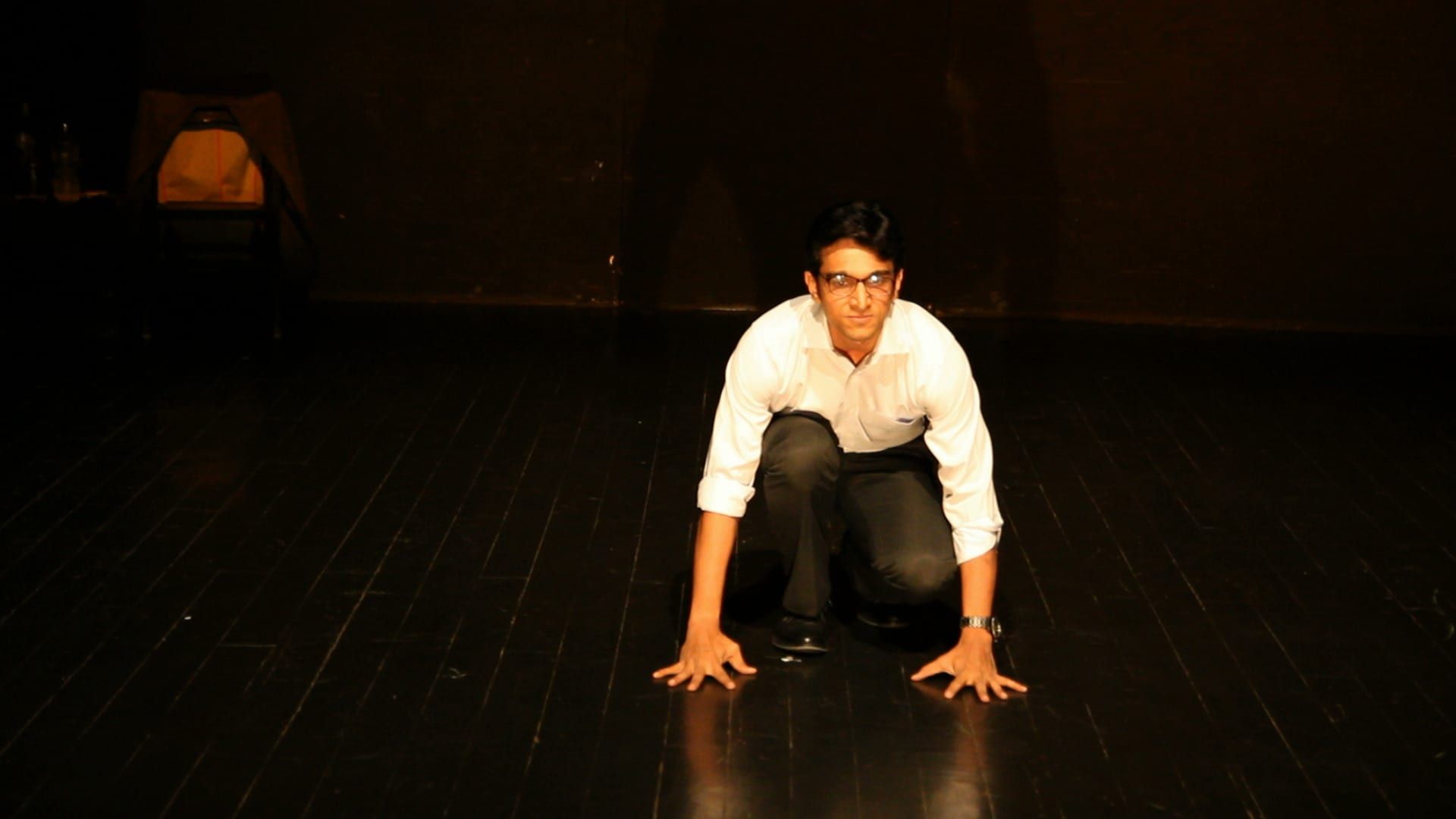
Shishir Ramavat — a Gujarati journalist who has worked at Chitralekha and Mid-Day and currently serves as editor at Gujarat Samachar — wrote the play drawing on Bakshinama and Bakshi’s other writings. The result is not a conventional biography. It is a monologue delivered by a man who is simultaneously performing his life and daring the audience to judge him. Manoj Shah’s staging uses a single prop throughout: a ladder, which Bakshi climbs, perches on, and descends. The metaphor is obvious and perfect. This is a man who was always climbing, always looking down.
The play premiered on 15 June 2013 at Prithvi Theatre, Mumbai, and has since been performed at NCPA, Scrapyard Theatre in Ahmedabad, and venues across India. CreativeYatra called it ‘a riveting drama on the life of the audacious Gujarati author,’ praising the lead performance as ‘cautious yet fearless’ — a description that could apply to Bakshi’s own writing. Pratik Gandhi, who plays Bakshi, brings an intensity to the role that does not perform for the audience but confronts them, capturing a man of contradictions: brilliant and petty, generous and cruel, vain and fearless, often in the same breath.
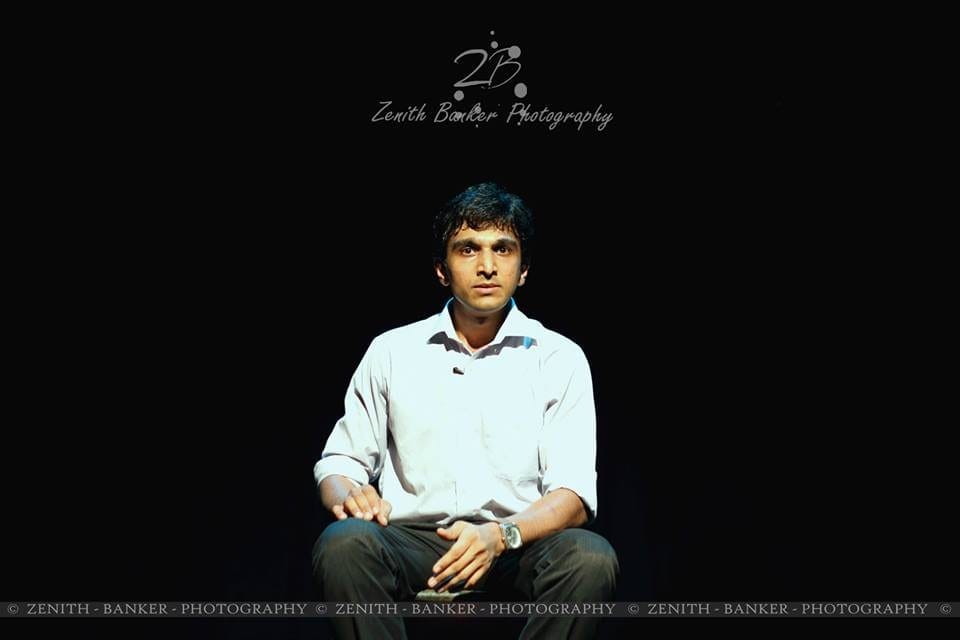
What the play gets right — what a conventional biography would miss — is the relationship between Bakshi and his readers. He wrote for them. He fought for them. He insulted everyone else, but to his readers he was unfailingly devoted. The play captures this mutual obsession: a writer who loved his audience and an audience that loved him back, not despite his flaws but because of the unapologetic force with which he lived them. Hu Chandrakant Bakshi does not ask the audience to like him. It asks them to reckon with him. Which is, of course, exactly what Bakshi himself always demanded.