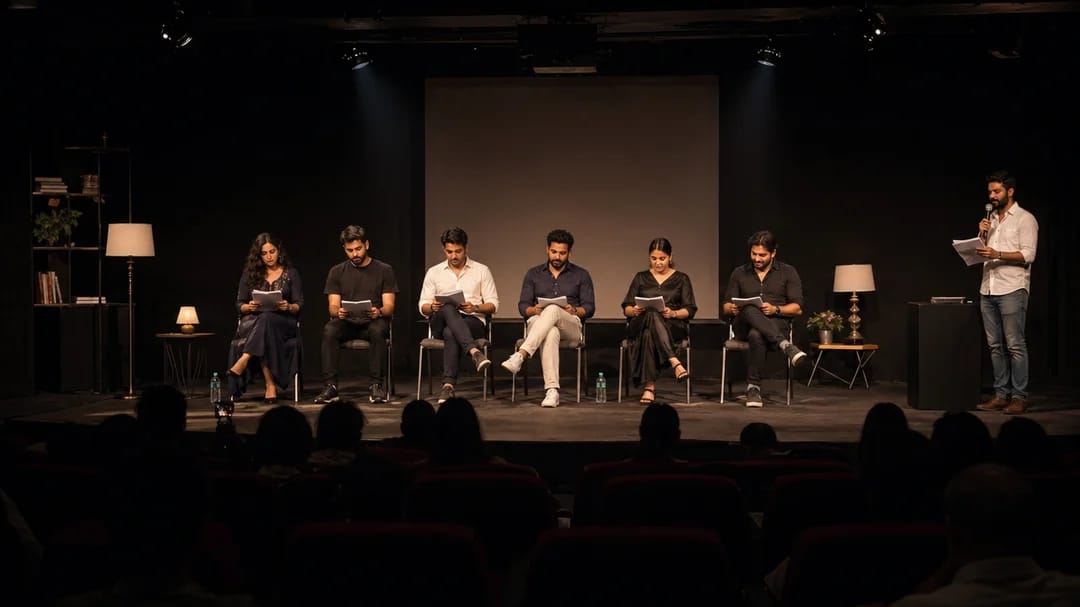
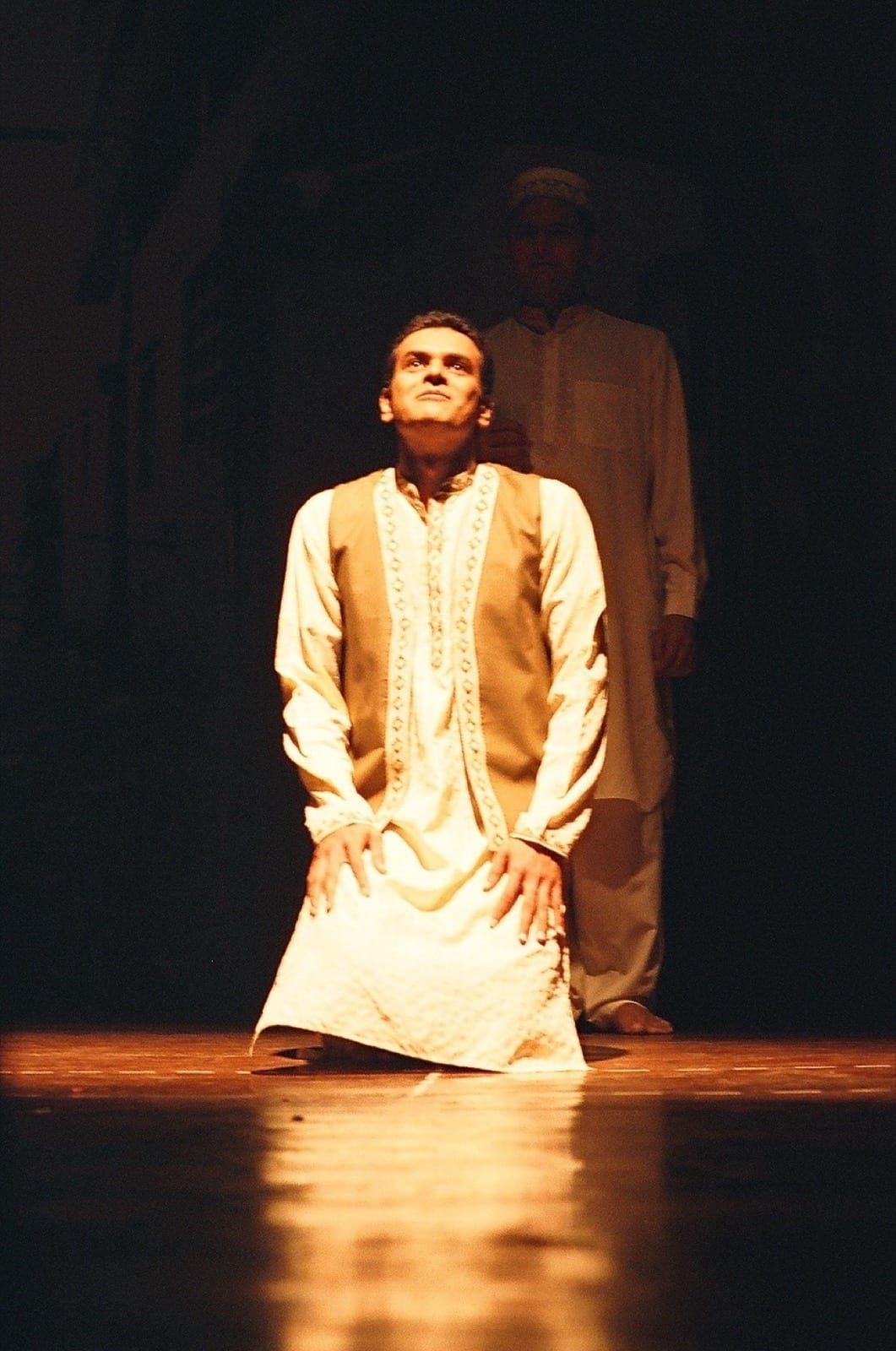
Dr. Anandibai: The Woman Who Sailed to America in 1886 and the Play That Asked If Anything Has Changed
On 31 March 1865, a girl named Anandi was born in Kalyan, Maharashtra. She was married at nine to Gopalrao Joshi, a man nearly twice her age, who — unusually for the time — believed in women’s education. When their infant son died due to lack of medical care, Gopalrao wrote a letter to Royal Wilder, a missionary, asking for help sending Anandi to America to study medicine. It was 1880. The idea was preposterous.
Six years later, Anandibai Joshi sailed to Philadelphia and enrolled at the Woman’s Medical College of Pennsylvania. She endured the American winter, the strangeness of a foreign country, and the tuberculosis that was already consuming her body. In 1886, she earned her MD — the first Indian woman to do so. She returned to India as physician-in-charge at the Albert Edward Hospital in Kolhapur. On 26 February 1887, she died. She was twenty-two years old.
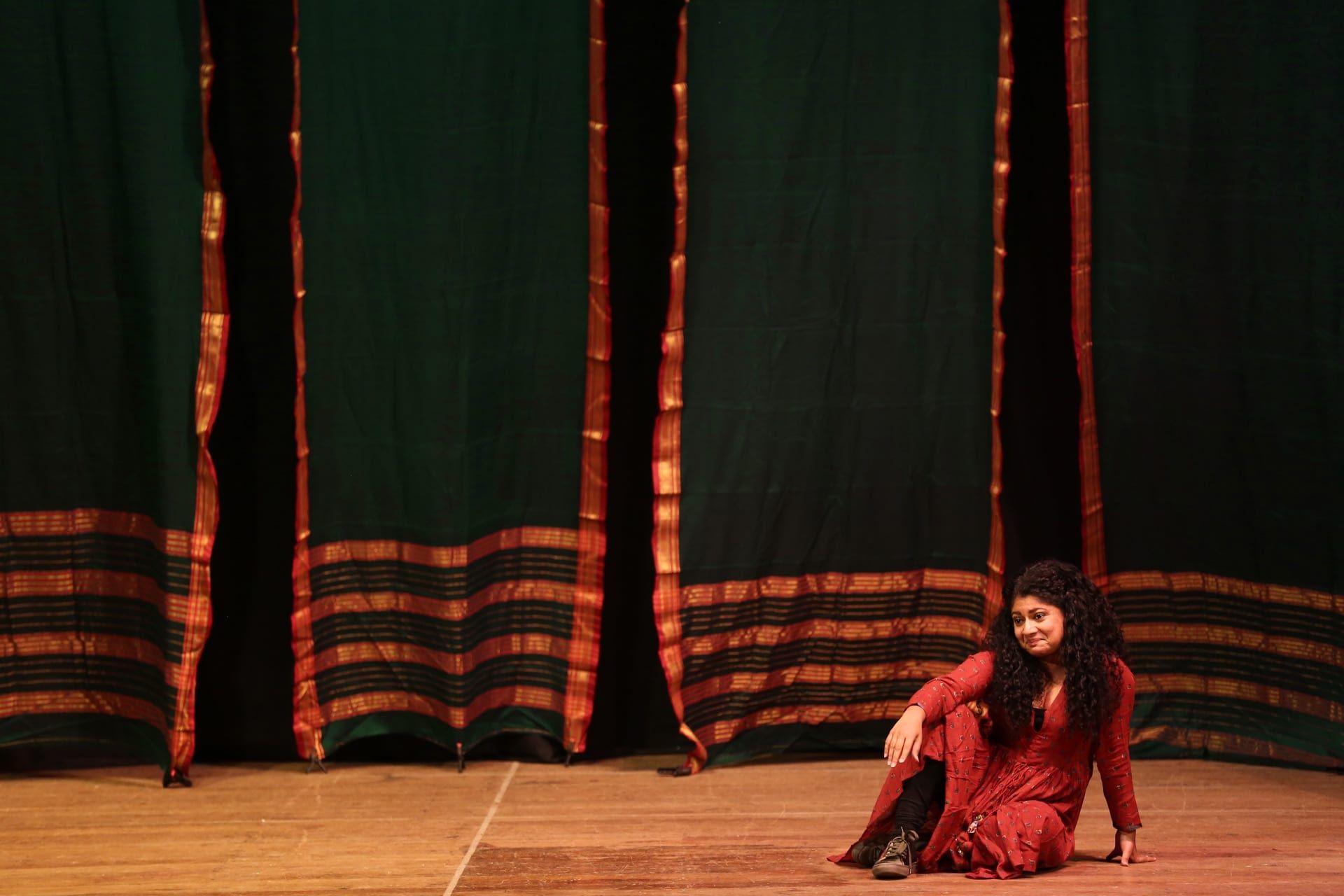
This is the story that Geeta Manek chose to dramatise for Ideas Unlimited. But the play she wrote — Dr. Anandibai Joshi: Like, Comment, Share — is not a conventional biography. It is structured around a provocation: the language of social media. Like. Comment. Share. The three gestures that define how modern women present themselves to the world, seek validation, and measure their worth. Manek uses this framework to ask whether the forces that constrained Anandibai in the 1880s — the need for male approval, the reduction of women to domestic roles, the punishment of ambition — have truly disappeared, or merely migrated to new platforms.
The play was Manoj Shah’s first production to feature a woman in the solo role. For nearly two decades, his one-person plays had been performed by men — Pratik Gandhi, Satchit Puranik, Chirag Vohra. When he decided to break this pattern, the choice of subject was deliberate: not just any woman, but the woman who broke the most fundamental pattern of all.
Manasi Prabhakar Joshi performs the seventy-five-minute monologue alone on a bare stage. No props. No set. Just Kabir Thakore’s spatial design and Hemant Joshi’s lighting, carving a world out of darkness. Joshi — a META award winner who has performed over 550 shows of Sangeet Devbabhali, appeared in Hotel Mumbai alongside Dev Patel and Anupam Kher, and voiced Phineas in the Hindi dub of Phineas & Ferb — brings a musical theatre performer’s stamina and a classical singer’s breath control to a role that demands both.
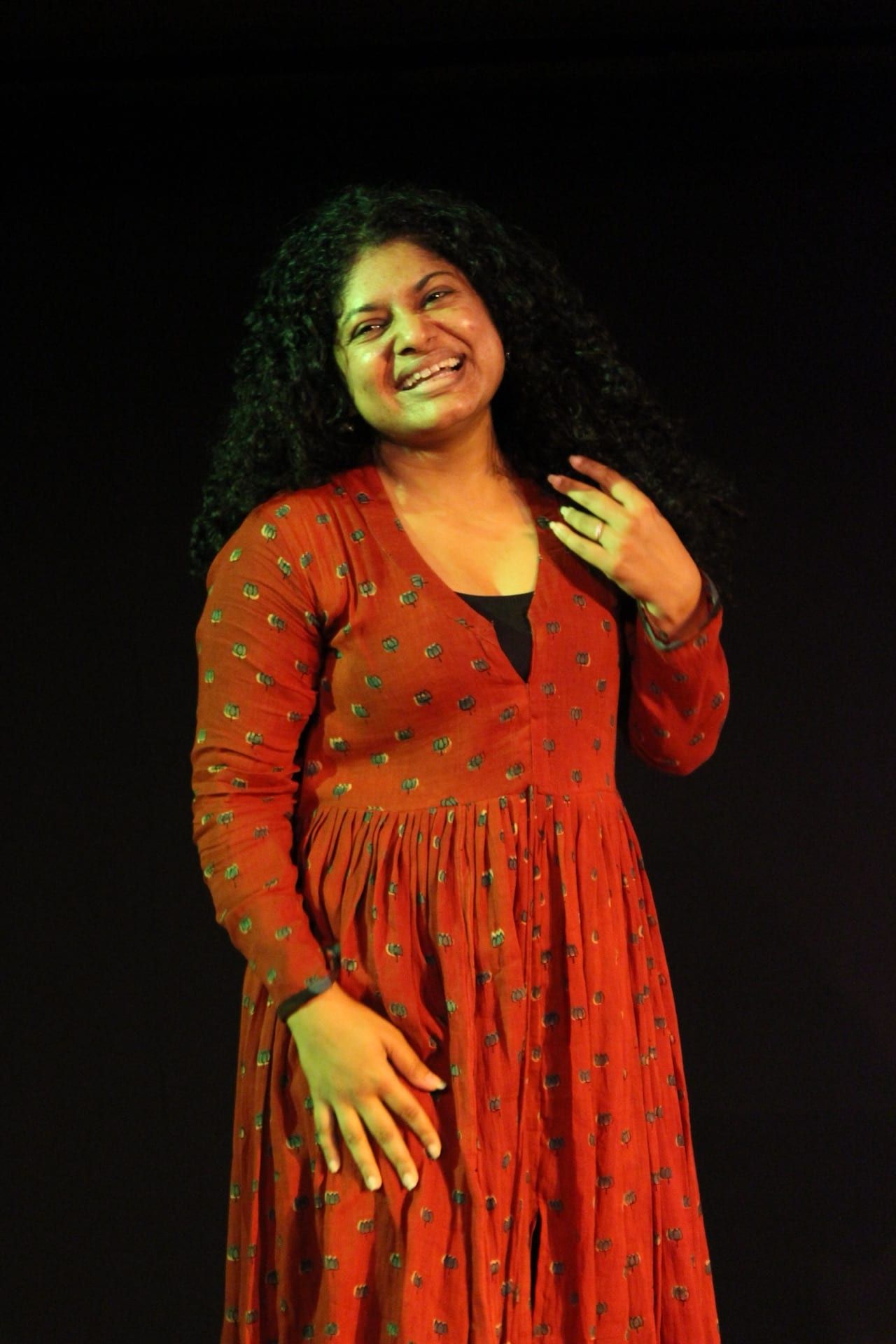
The play premiered on 2 December 2017 at NCPA’s CentreStage Festival. DNA India covered the opening, noting the play’s unusual structure and its resonance with contemporary debates about women’s freedom. It was later staged in Hindi and Marathi — the same story told in three languages, each version revealing different emotional textures, just as Ideas Unlimited had done with Mohan No Masalo two years earlier.
The highest recognition came in 2018, when the play was selected for the 8th Theatre Olympics — the first time India hosted the event, with performances across seventeen cities. Theatre critic Deepa Gahlot cited it among the ten most socially relevant theatre productions in India, praising both the power of the story and Manasi Joshi’s performance.
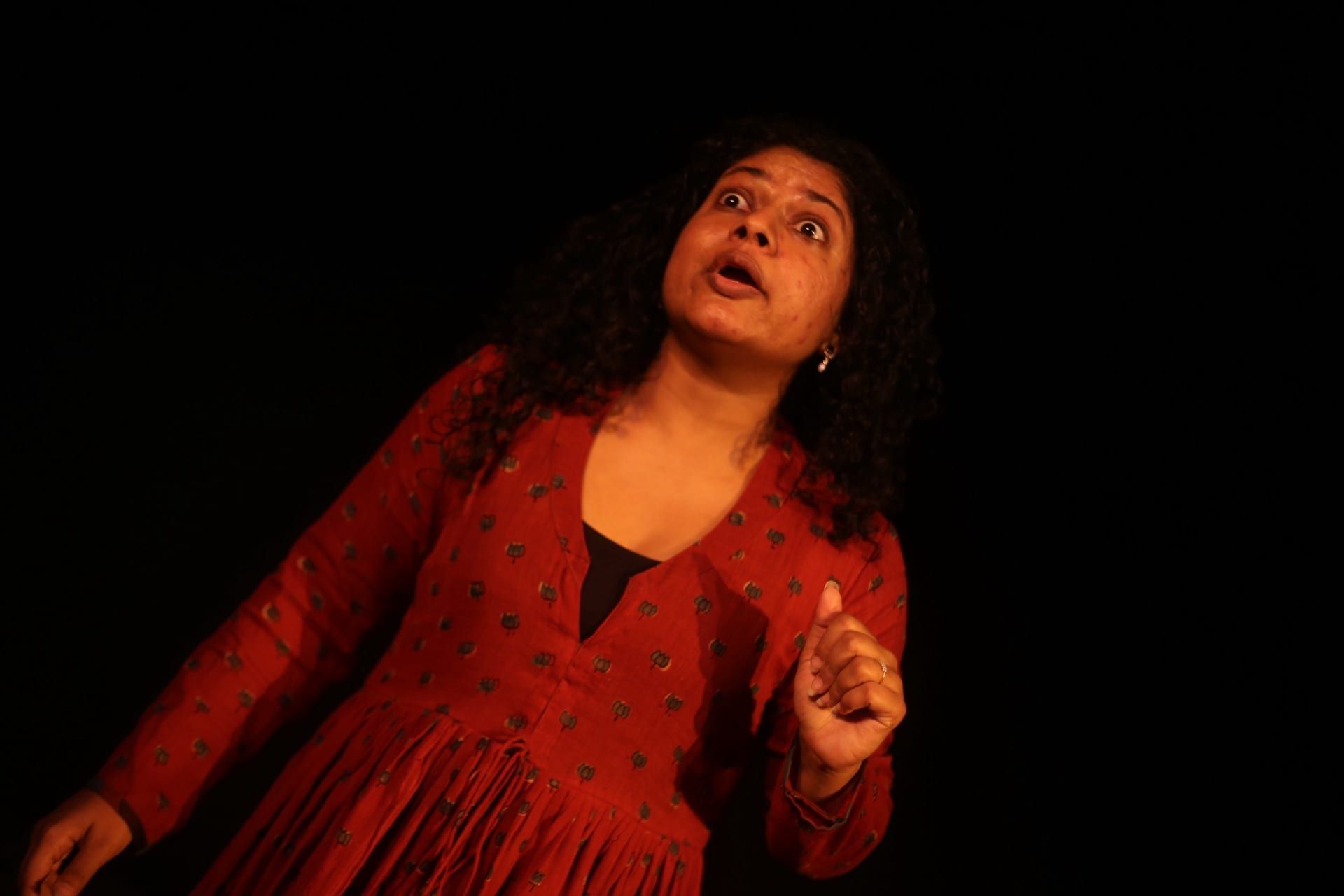
Dr. Anandibai Joshi lived twenty-two years. In that time, she crossed an ocean, earned a degree that no Indian woman had earned before, and returned home to serve. She did not live to see the impact of what she had done. The play does not pretend otherwise. It does not give her a triumphant ending. It gives her something rarer: a stage, a voice, and an audience one hundred and thirty years later that is still grappling with the questions her life raised.