Est. 1990 — Mumbai, India
35 Years of
Fearless Theatre
Ideas Unlimited Productions has been creating powerful, thought-provoking theatre across India — in Hindi, Gujarati, and English.
Founded by
Manoj Shah
Director, Actor, Producer
Now On · This Weekend
Theatre Festival
at Prithvi
Five plays. Two nights. One stage.
Ideas Unlimited brings five of its finest plays to Prithvi Theatre, Mumbai across two nights — 27 & 28 June 2026.
- Karl Marx in Kalbadevi
- Adbhut
- Mareez
- What's Up?
- Socrates
Productions
Performances
Cities Globally
About Us
We push the figurative fourth wall — celebrating stories, literature, and India's rich cultural heritage through theatre, prose, and poetry across languages and cities.
Read more about us →Featured
Mohan No Masalo
Recipe for Making a Mahatma
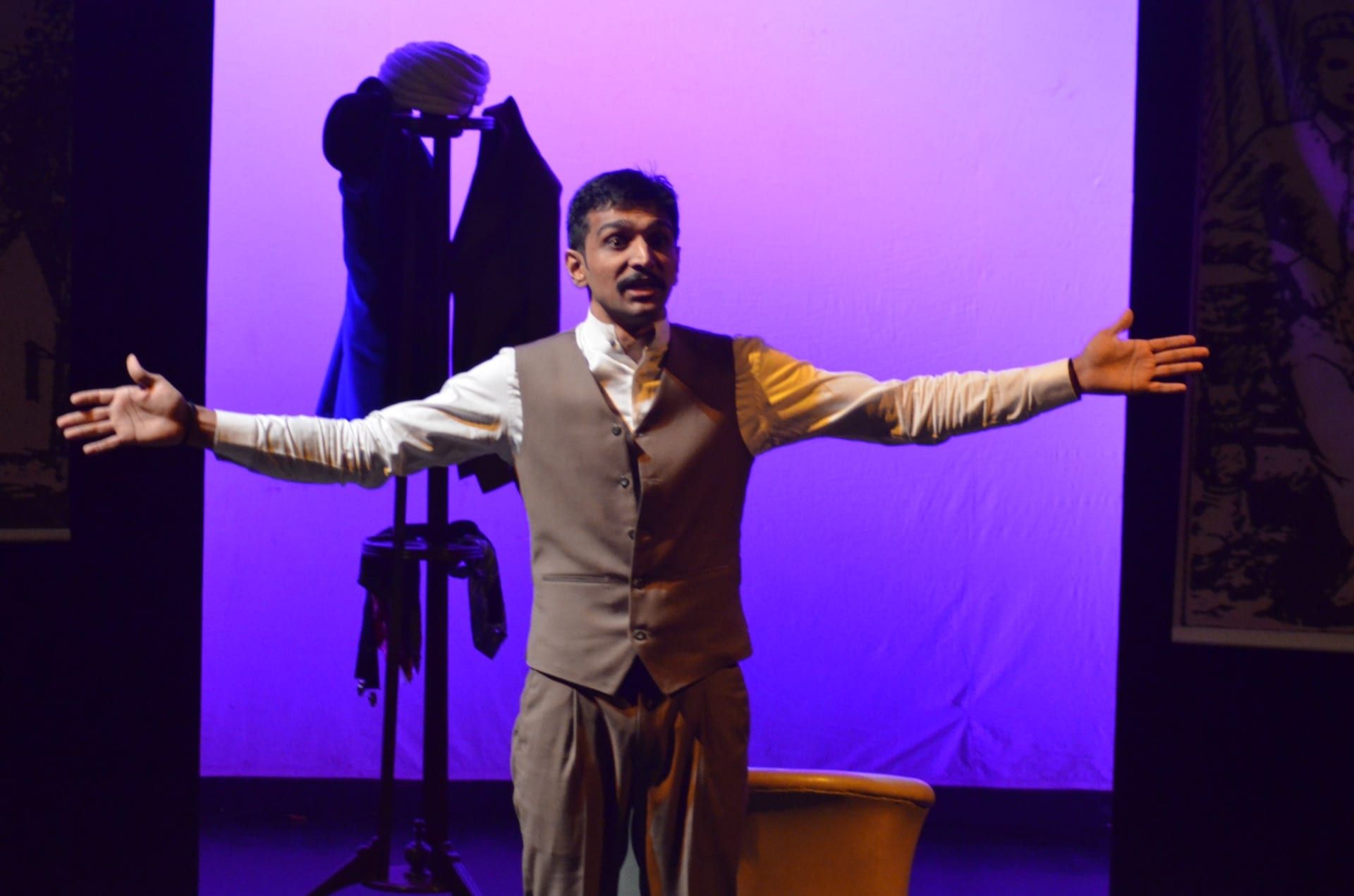
The play that entered the Limca Book of Records. The play that Pratik Gandhi performed before Scam 1992 made him famous. The play about Mohandas Gandhi before he became the Mahatma. Mohan No Masalo — Mohan’s Spices — recovers the young Mohandas: the scared boy from Porbandar, the awkward teenager who married at thirteen, the mediocre student who sailed to London to study law, the diffident barrister who failed in Bombay courts, and the accidental activist who boarded a train in South Africa and found his purpose when he was thrown off it. These are the masalas — the spices — that made the Mahatma. The recipe, told by the man himself. Pratik Gandhi performs the ninety-minute monologue alone against Atul Dodiya’s black-and-white backdrop paintings of a young Gandhi. The Gujarati script was written by Satya Mehta, the Hindi version by Mihir Bhuta and Arpit Jain, the English by Ishan Doshi. Parthiv Gohil provided the vocal performances. The play premiered on 22 March 2015 at NCPA and was subsequently performed in all three languages — Gujarati (Mohan No Masalo), Hindi (Mohan Ka Masala), and English (Mohan’s Masala) — in a single day at the same theatre by the same actor. This feat earned a Limca Book of Records entry for ‘Performance of One Play in Multiple Languages in One Day.’ Manoj Shah on why he made this play: ‘I wanted to be with youth. Best way to re-invent ideas for youth without cliché results is Mohan ka Masala.’
Mareez
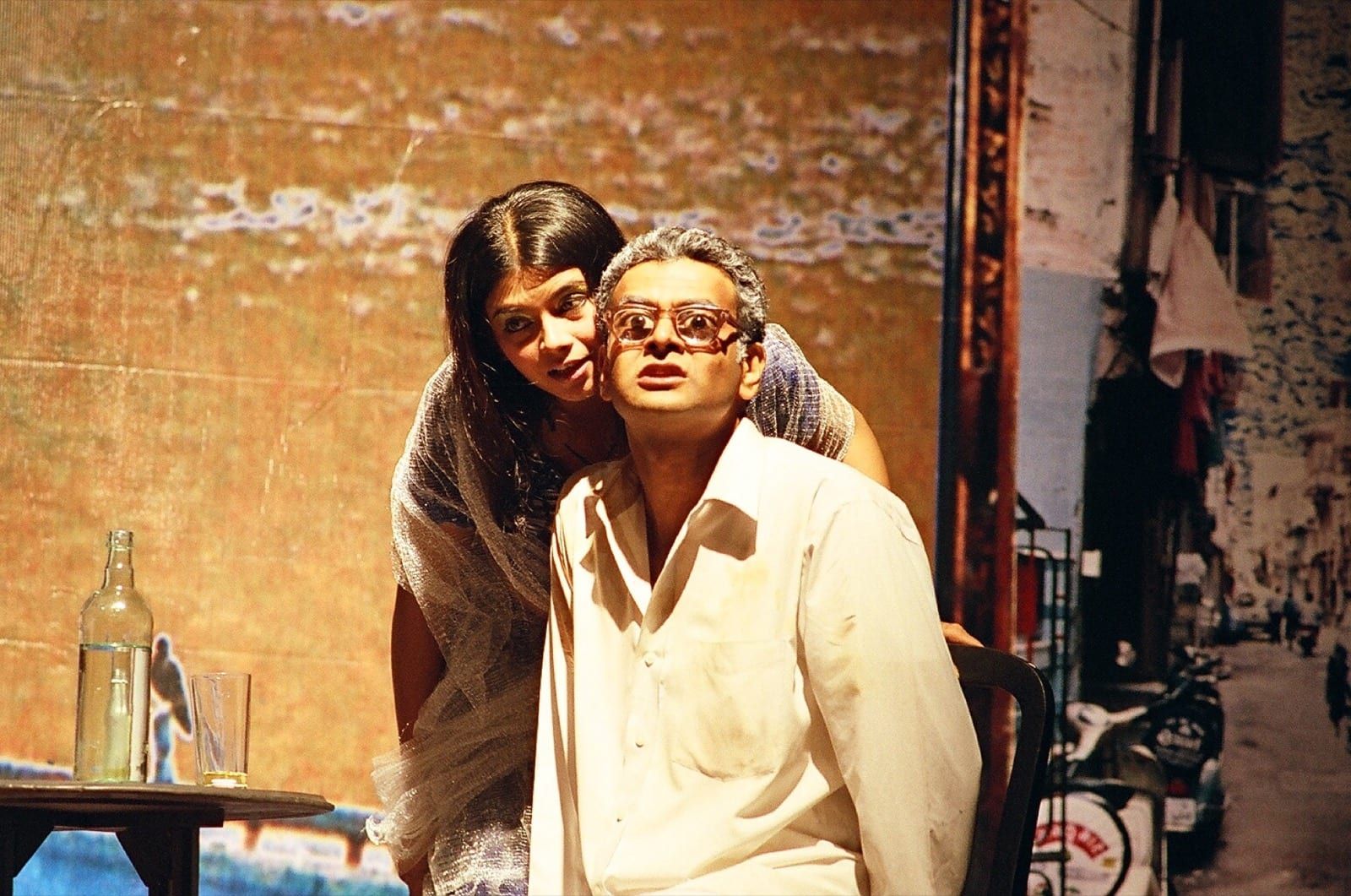
The longest-running Gujarati play. Two hundred performances and counting, at Prithvi Theatre continuously since 2004. Abbas Abdul Ali Vasi was born in Surat in 1917 into a Dawoodi Bohra family. He dropped out of school in the second grade. By fourteen, he was composing ghazals. By his twenties, he was selling them for five rupees apiece to wealthy men who published them under their own names. He drank. He loved a woman who would not love him back. He married another who stood by him. He contracted tuberculosis. He wrote 178 poems that the literary establishment ignored and the people of Gujarat memorised. His pen name was Mareez — literally, ‘a sick man.’ They called him the Ghalib of Gujarat. He died in 1983 after being hit by an auto-rickshaw on a Mumbai street. Adapted by Vinit Shukla from Raeesh Maniar’s biography Mareez: Astitva Ane Vyaktitva, and directed by Manoj Shah, the play does not tell this story in order. It weaves poetry, fantasy, hallucination, and realism into a theatrical fantasia — inspired by Vincent van Gogh’s letters Dear Theo and Charles Bukowski’s Barfly. Dharmendra Gohil has played Mareez since the 2004 premiere — twenty years in the same role — with critics noting that ‘Mareez was in his veins.’ Kumkum Das plays Sona, his wife. The set comprises six paintings by Padma Bhushan-awarded artist Ghulam Mohammed Sheikh. The music is by Uday Mazumdar, a tabla player trained under Ravi Shankar.
Hu Chandrakant Bakshi
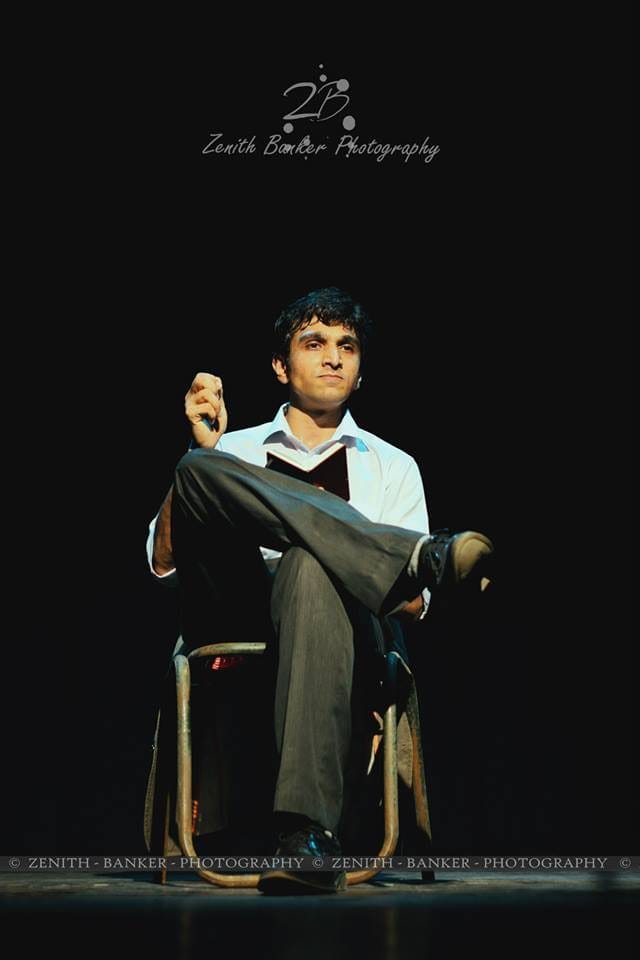
The story of Gujarati literature's most controversial writer, told by the man himself — or rather, by Pratik Gandhi inhabiting him with a ferocity that made audiences forget they were watching an actor. Chandrakant Bakshi (1932–2006) authored 178 books, served as Professor of History, became Sheriff of Mumbai, got his short story 'Kutti' banned by the Gujarat government, publicly defied Bal Thackeray and refused to apologise, and wrote an autobiography so incendiary that parts of it could not be published. His writing style — Gujarati laced with Urdu, Hindi, and English — was as deliberately provocative as his public persona. He was, by every account, an incredible egoist. He was also, by every account, adored by his readers. Written by Shishir Ramavat and drawn from Bakshi's autobiography Bakshinama, the play premiered on 15 June 2013 at Prithvi Theatre. Manoj Shah uses a ladder throughout the production as a metaphor for Bakshi's obsession with being on top. Gandhi — years before Scam 1992 would make him a household name — delivers what CreativeYatra called a 'cautious yet fearless' performance, bringing the bold and egotist protagonist to 'flawless perfection.' This play, along with Mohan No Masalo two years later, is credited with solidifying Pratik Gandhi's reputation as an actor of immense talent.
Adbhut
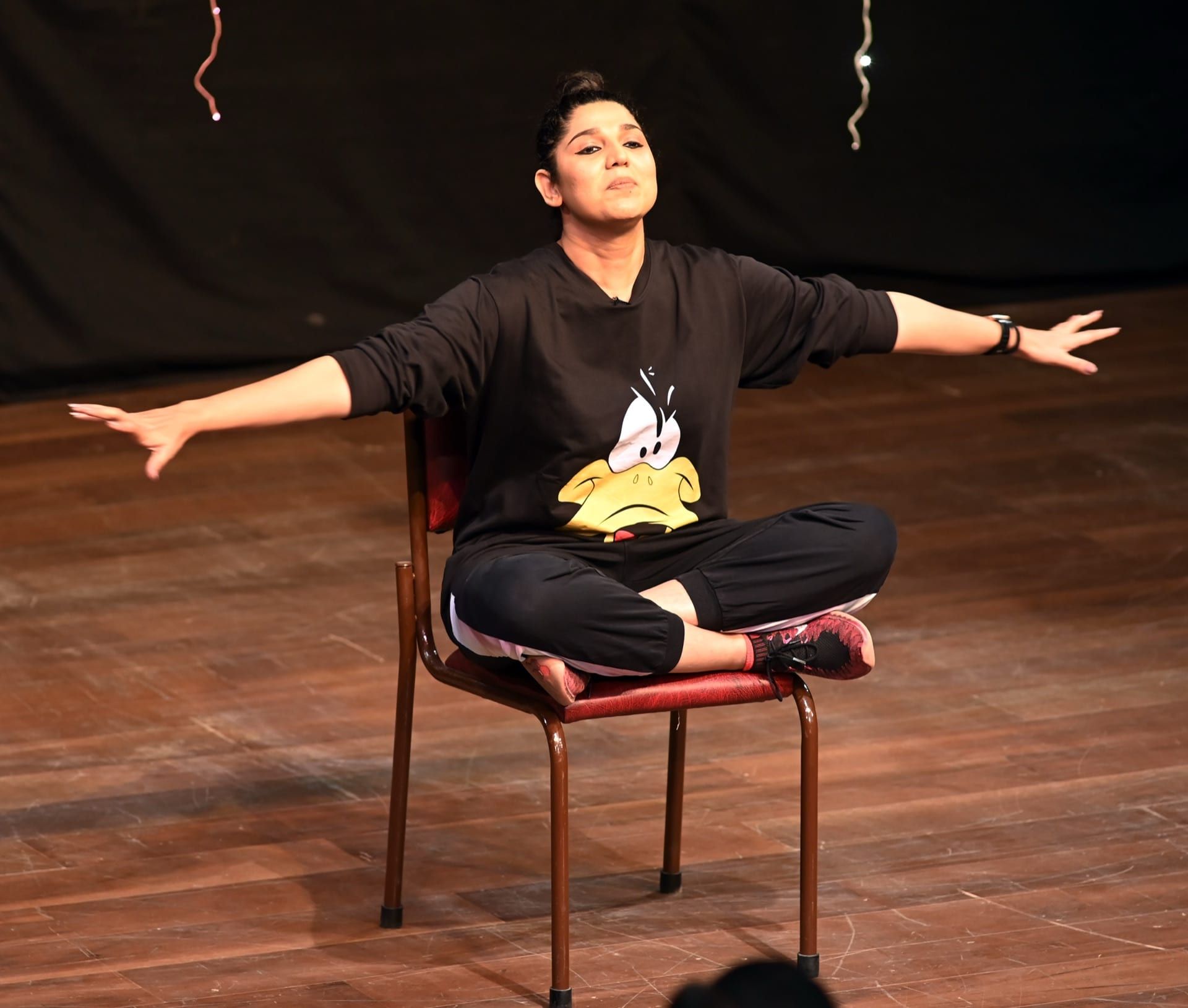
A solo Gujarati adaptation of Every Brilliant Thing by Duncan Macmillan and Jonny Donahoe — one of the most performed plays in the world — reimagined for Indian audiences by Satchit Puranik and directed by Manoj Shah. The original play premiered at the Ludlow Fringe Festival in 2013 with Donahoe performing, before transferring to London and an HBO special. It has since been staged thousands of times worldwide. Puranik's Gujarati adaptation transforms the play's cultural texture — Doordarshan evenings replace Saturday morning cartoons, garba nights replace school dances — while preserving its radical theatrical form: the audience is the cast. From the moment the play begins, the boundary between performer and audience dissolves. RJ Devaki guides the room through the story of a girl who, at age seven, begins a list of every brilliant thing worth living for as a way to pull her mother back from the edge of depression. The list grows as the girl grows, through adolescence, heartbreak, marriage, and the quiet weight of adulthood. With nothing but a chair, a Daffy Duck sweatshirt, and extraordinary presence, Devaki turns strangers in the audience into co-performers, drawing out laughter, silence, and tears in equal measure. Adbhut is not a lecture on mental health — it is a lived experience of it, told with the warmth of someone who understands that sadness and wonder can occupy the same breath.
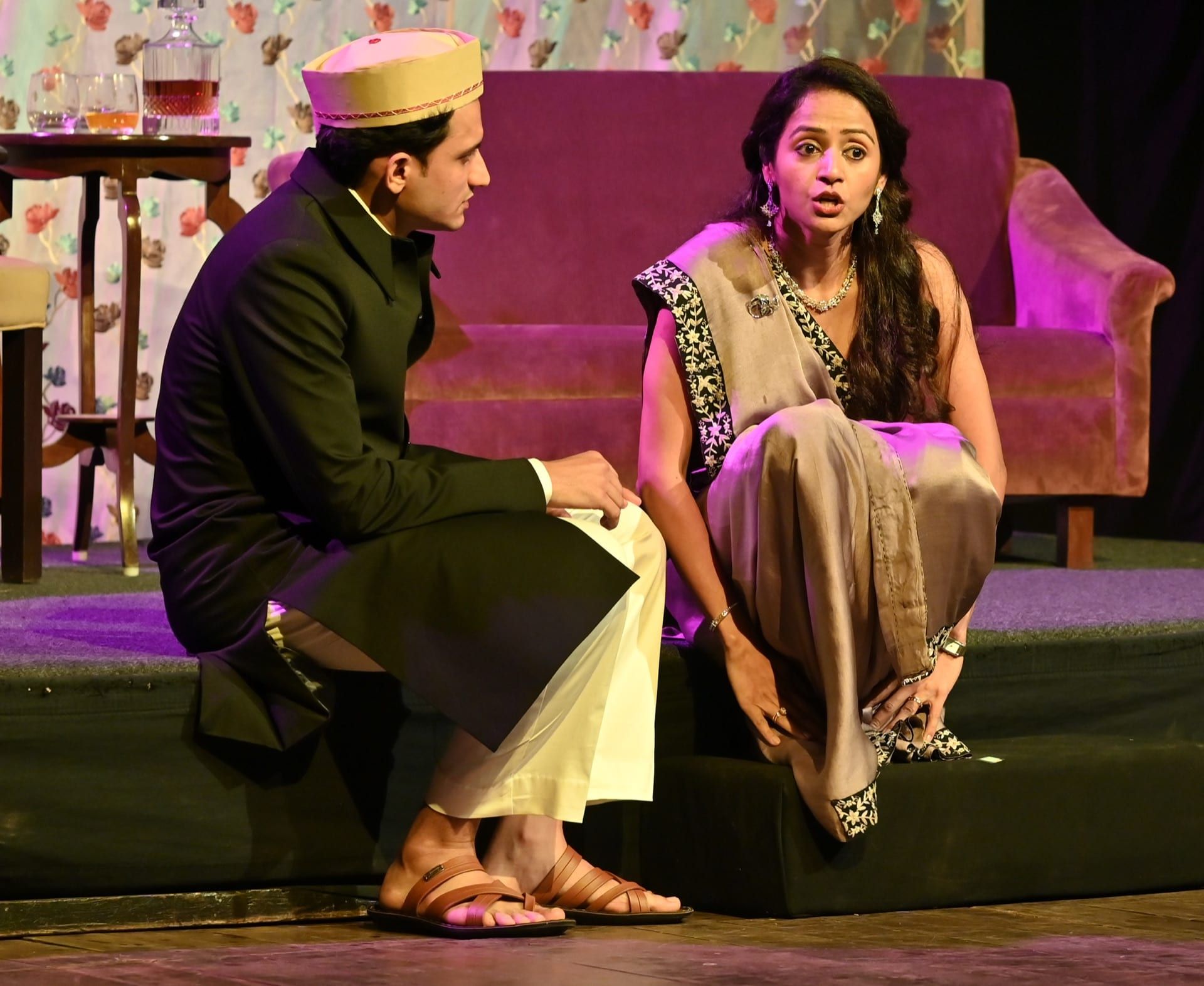
Bombay Flower
A tribute to the legendary Parsi theatre — Bombay Flower tells the astonishingly daring story of Ruttie Petit (1900–1929), the fiercely independent daughter of Sir Dinshaw Petit, second baronet, who at eighteen married the era's most divisive political figure: Muhammad Ali Jinnah, a man more than two decades her senior. Given the sobriquet 'Bombay Flower' by Sarojini Naidu, Ruttie's exuberance fills the first half of the play — her rebellion against family, faith, and Parsi society to marry for love. In the second half, shunned by her parents and increasingly isolated by Jinnah's consuming political ambitions, she becomes an embittered woman who finds solace in theosophy, opium, and solitary wanderings across Europe. She died at twenty-nine. Written by Geeta Manek and drawn from Sheela Reddy's Mr and Mrs Jinnah: The Marriage That Shook India, the play took four years to develop. It began as a one-woman show before Manoj Shah brought in Jinnah, then Ruttie's parents, his sister Fatima, and their friend Kanji Dwarkadas. Bhamini Oza Gandhi leads as Ruttie, with Vishal Shah as Jinnah. The play premiered to a full house at the Experimental Theatre, NCPA on March 26, 2023 — an NCPA co-production. Bombay Flower is dedicated to Parsi theatre, which Manoj Shah discovered to be the pioneer of both Gujarati and Urdu theatre during his research for Master Phoolmani in 1999. It asks a question that remains relevant: why would an intelligent, sensitive young woman from a privileged background risk everything for a man whose world was entirely different from hers?
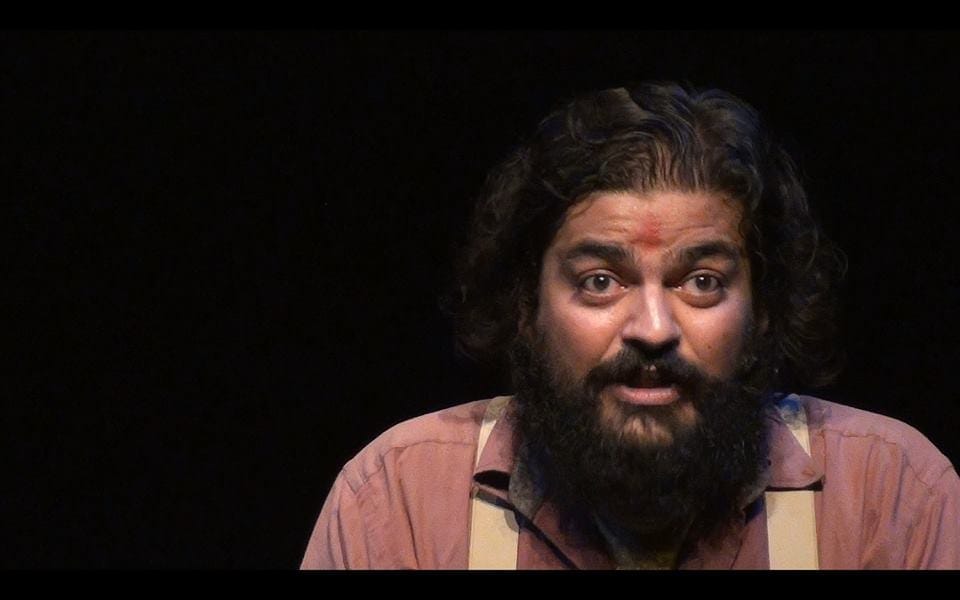
Karl Marx In Kalbadevi
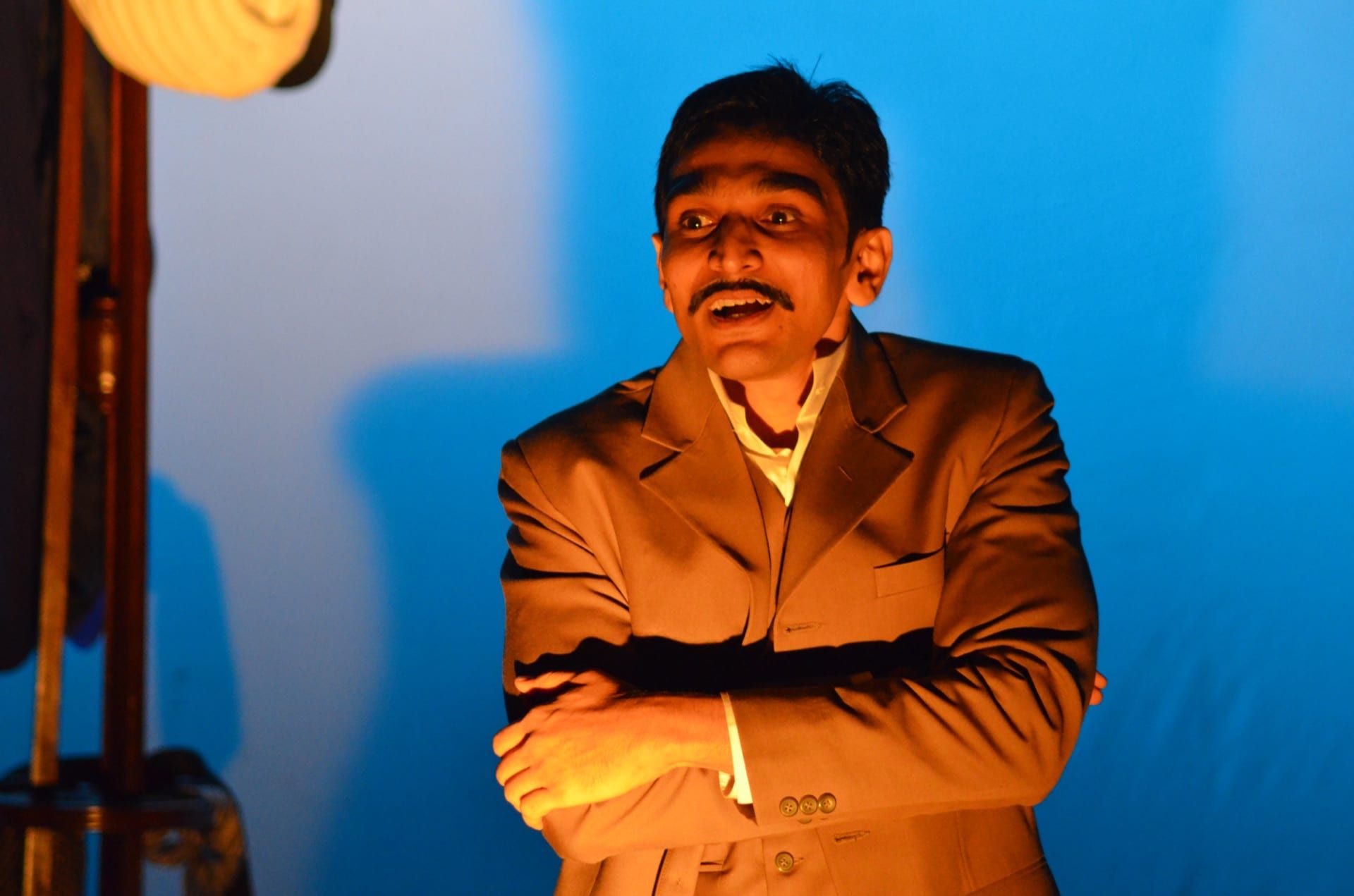
What happens when Karl Marx returns from the dead and lands straight into the buzzing chaos of Kalbadevi, Mumbai’s most unapologetically capitalist neighbourhood? He is furious. Not just about capitalism running wild or billionaires launching rockets — but because people have twisted his words, misused his ideas, and turned ‘Marxist’ into a punchline. He wants to set the record straight. But Mumbai is not in the mood for lectures. So he adapts. He rants, he jokes, he dances Gangnam Style, he reviews a Gujarati thali at Bhagat Tarachand, he learns Gujarati because of his admiration for Mahatma Gandhi, and he tries to visit Mani Bhavan only to find the gates shut. Written by Uttam Gada and directed by Manoj Shah, this one-man play has been Ideas Unlimited’s calling card for over twelve years. Satchit Puranik — who looks the part with his wild hair, beard, and a tilak on his forehead — brings a manic energy to Marx that makes the philosopher feel less like a historical figure and more like your most opinionated uncle at a family wedding. The play premiered at the NCPA Vasant Gujarati Natya Utsav in 2013, has since been performed in Gujarati, Hindi, and Hinglish, and staged at Wilson College for the 150th anniversary of Das Kapital, at Aligarh Muslim University, and at JAINA conventions in the United States. As Time Out Mumbai’s Deepa Gahlot put it: the play is ‘enough to provoke the audience to go back thinking, this Karlbhai was one clever dude, eh?’
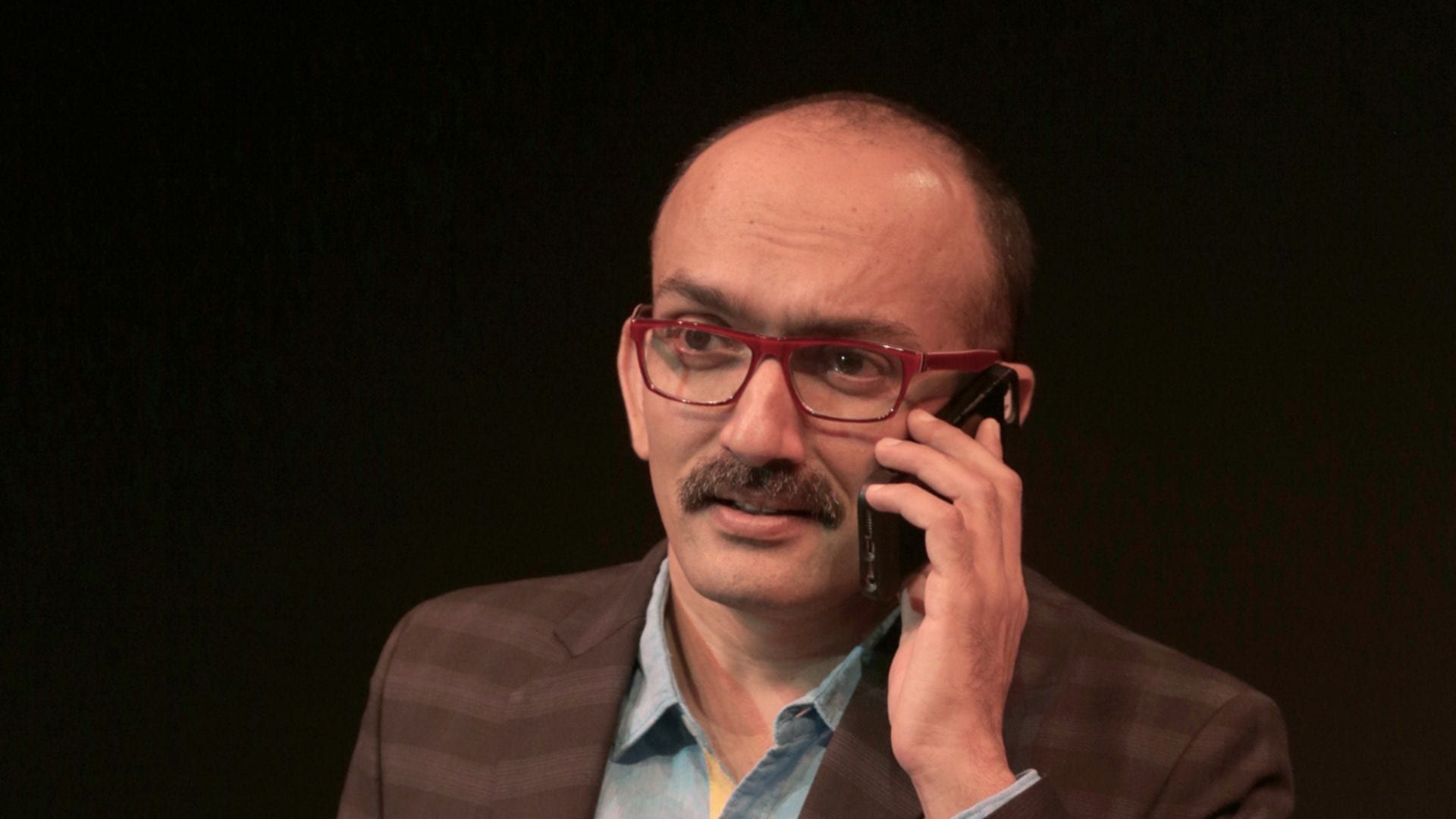
What's Up?
Meet Chirag — a perfectly average man in his early thirties with a single, noble mission: catch a flight to Chicago and save his not-so-bright brother from being thrown behind bars for a minor misunderstanding. But before he can zip up his suitcase, his girlfriend drops a bombshell. His phone starts ringing like it owes someone money. On the other end: his sister’s in-laws, an elite task force of relentless, nitpicking, drama-fuelled wedding planners who believe that unless Chirag approves the saree border and the sambharo menu, the marriage might as well be cancelled. From that moment, Chirag’s day turns into a high-stakes obstacle course complete with passive-aggressive aunties, conspiracy theories on family WhatsApp groups, emotional blackmail disguised as wedding prep, and the looming threat of missing his flight. He’s stuck between love and loyalty, Google Maps and Google Calendar, chai breaks and breakdowns. Written by Uttam Gada and directed by Manoj Shah, What’s Up? is a riotous solo comedy performed by Chirag Vohra — the original lead of Master Phoolmani. It premiered at NCPA’s CentreStage Festival in November 2015 and perfectly captures the madness of trying to keep everyone happy when no one knows what they actually want.
The Founder
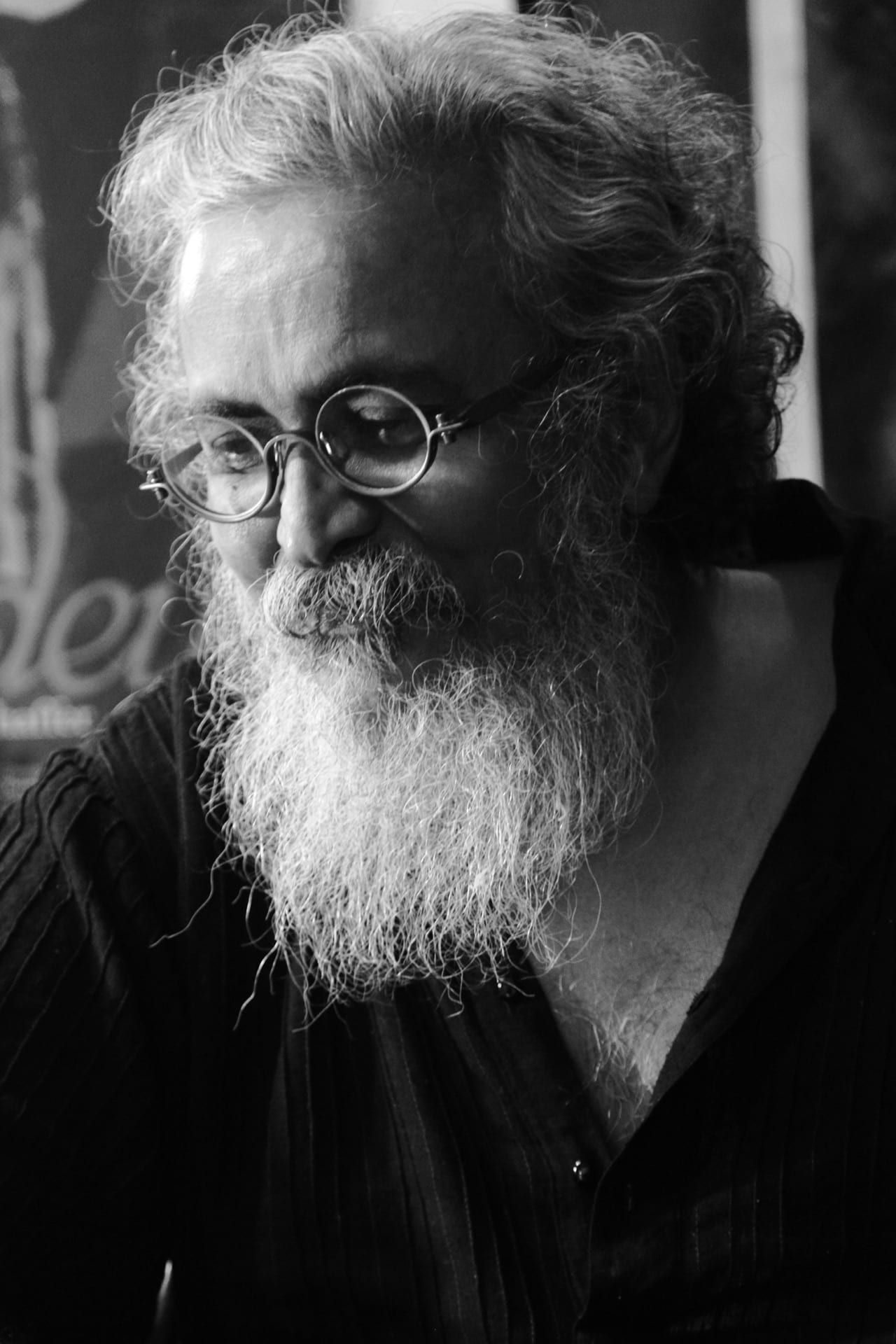
Founder · Director · Producer
Manoj Shah
“Theatre is the last space where human beings truly encounter each other — no screens, no filters, no escape.”
For over three decades, Manoj Shah has been the driving force behind Ideas Unlimited Productions — directing, acting, and producing over 113 productions that have challenged audiences and redefined Indian theatre.
Read His Story →Performed At
Stories &
Reflections
Behind-the-scenes stories, directorial notes, and reflections on 35 years of theatre.
Stay
Connected
Join our mailing list for show announcements, behind-the-scenes content, and early ticket access.