Adbhut: How a British Play About Depression Found Its Truest Voice in Gujarati
In 2006, a British playwright named Duncan Macmillan wrote a fifteen-minute monologue called Sleeve Notes for actress Rosie Thomson. It was about a child who, after her mother’s first suicide attempt, begins writing a list of every brilliant thing worth living for. Item 1: ice cream. The monologue caught the attention of director George Perrin, who encouraged Macmillan to expand it. In 2013, working with comedian and performer Jonny Donahoe, Macmillan turned it into a full-length solo show. They called it Every Brilliant Thing.
It premiered at the Ludlow Fringe Festival, transferred to Edinburgh where it sold out three consecutive years, then moved to the Barrow Street Theatre off-Broadway and became an HBO special in 2016 filmed with Donahoe performing to a live audience. The play has since been staged in over 80 countries across six continents. In March 2026, Daniel Radcliffe opened in it on Broadway at the Hudson Theatre. Macmillan — who also co-adapted 1984 for the stage with Robert Icke, and wrote People, Places and Things (which won Denise Gough an Olivier Award) — had created something that transcended language and culture. Or so it seemed.
It seemed that way because the play’s power lies in its specificity. The particular texture of childhood memories. The precise shade of an adolescent’s embarrassment. The exact weight of a parent’s silence. These things are not universal. They are deeply, irreducibly local. A straight translation would carry the plot but lose the feeling. Which is why what Satchit Puranik did with Adbhut is not translation. It is transplantation.
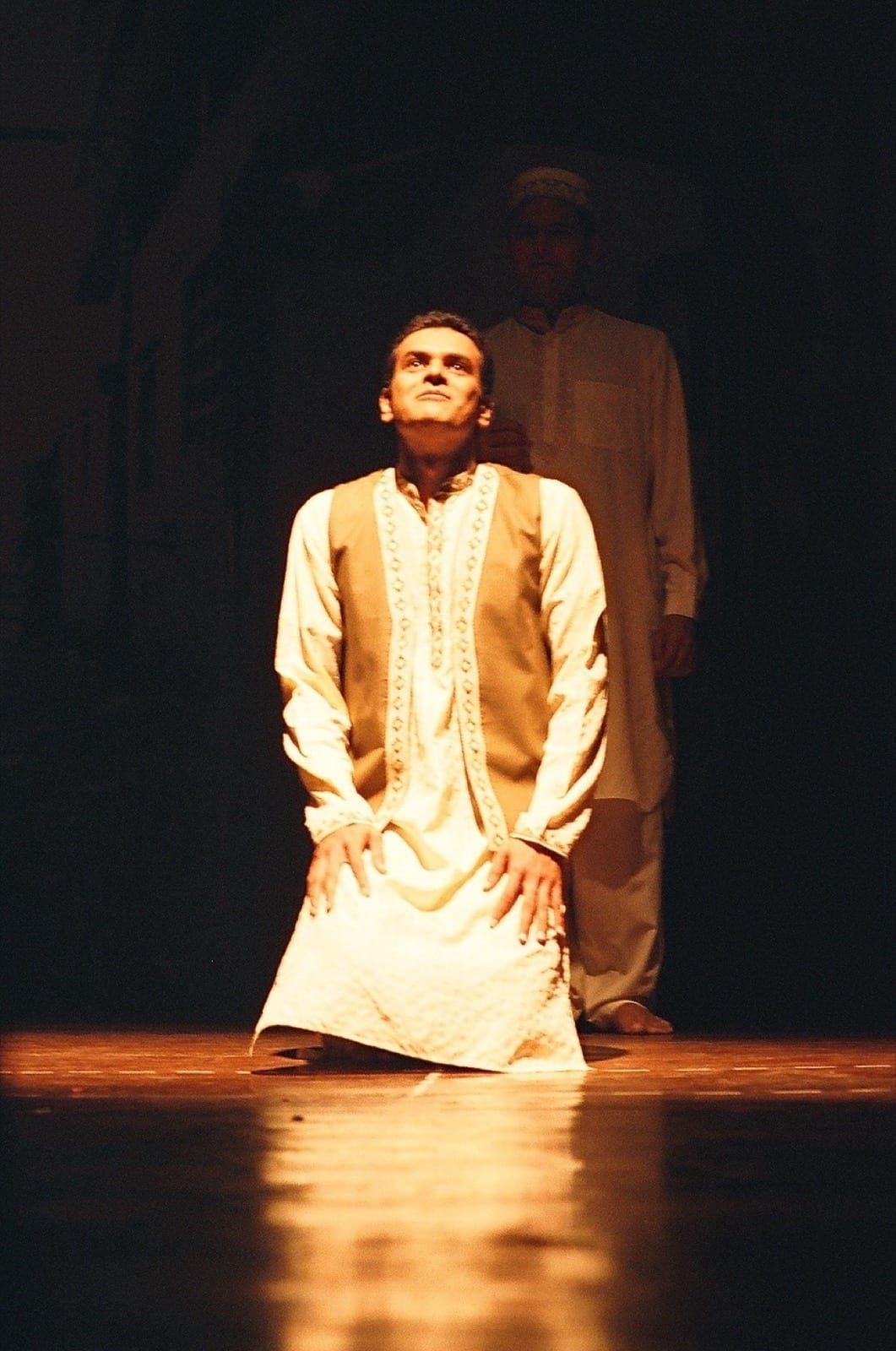
Puranik — an FTII graduate who edited Anand Gandhi’s Ship of Theseus and handled casting for Chaitanya Tamhane’s Court, two of the most acclaimed Indian independent films of the 2010s — rebuilt the list from scratch. Out went Saturday morning cartoons and school dances. In came Doordarshan evenings, the scent of rain on hot earth, the particular chaos of a Navratri garba, the taste of your grandmother’s thepla. The architecture of Macmillan and Donahoe’s play remained — the list, the audience participation, the arc from age seven to adulthood — but the soul became Gujarati.
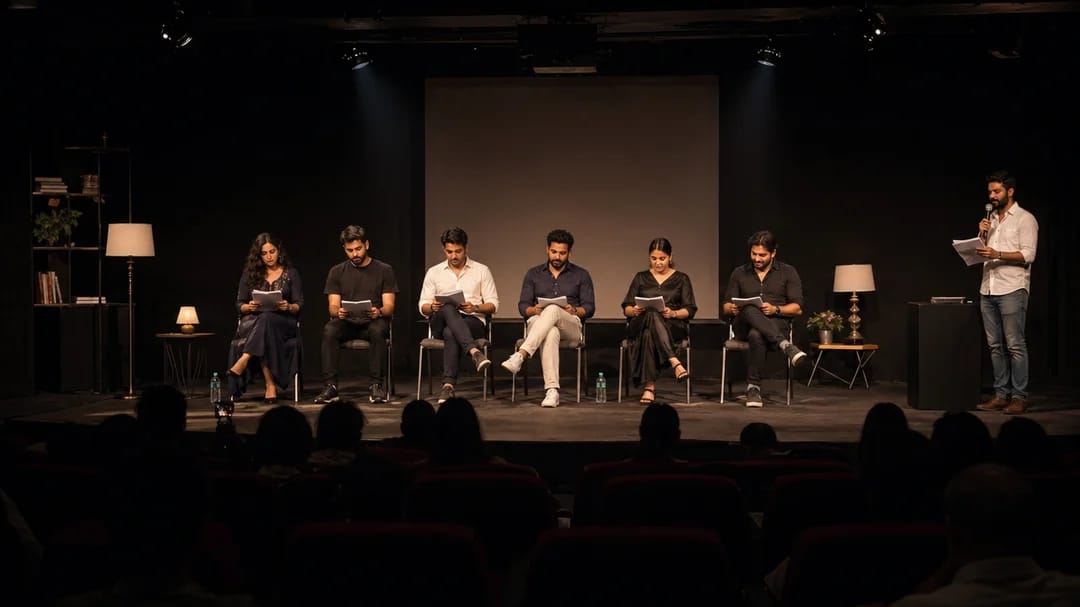
The format, for those unfamiliar with the original: before the show, audience members find numbered slips on their seats. Each slip contains an item from the list. When the performer calls out a number, the person holding that slip stands and reads it aloud. Other audience members are recruited on the spot to play the father, a school counsellor, a veterinarian, a love interest. The house lights stay on. There is no fourth wall to break because it was never built. Macmillan and Donahoe designed the play so that the thesis — we need each other, brilliant things are communal, speaking up matters — is embedded in the form itself.
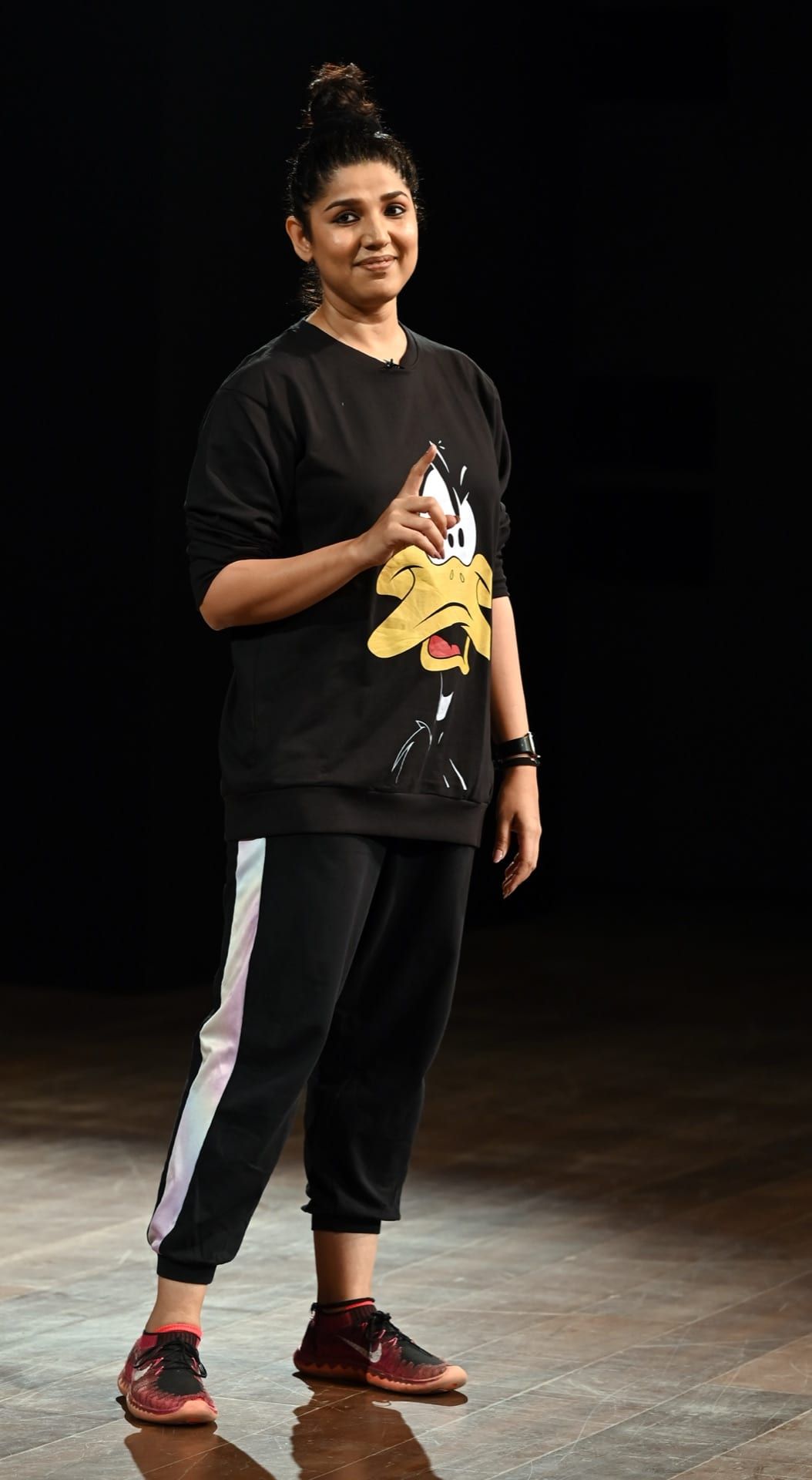
The question of who would perform the Gujarati version was answered by RJ Devaki. Born into what Ahmedabad calls its ‘first family of Gujarati theatre,’ Devaki Marks had already performed in over thirty plays, won the Best Actor award at Transmedia three years running, and built a parallel career as one of Gujarat’s most recognised radio voices — the ‘Golden Voice of Ahmedabad,’ as the Governor titled her. She is not an obvious choice for a play about depression. She is warm, loud, physical, funny. Which is exactly why it works.
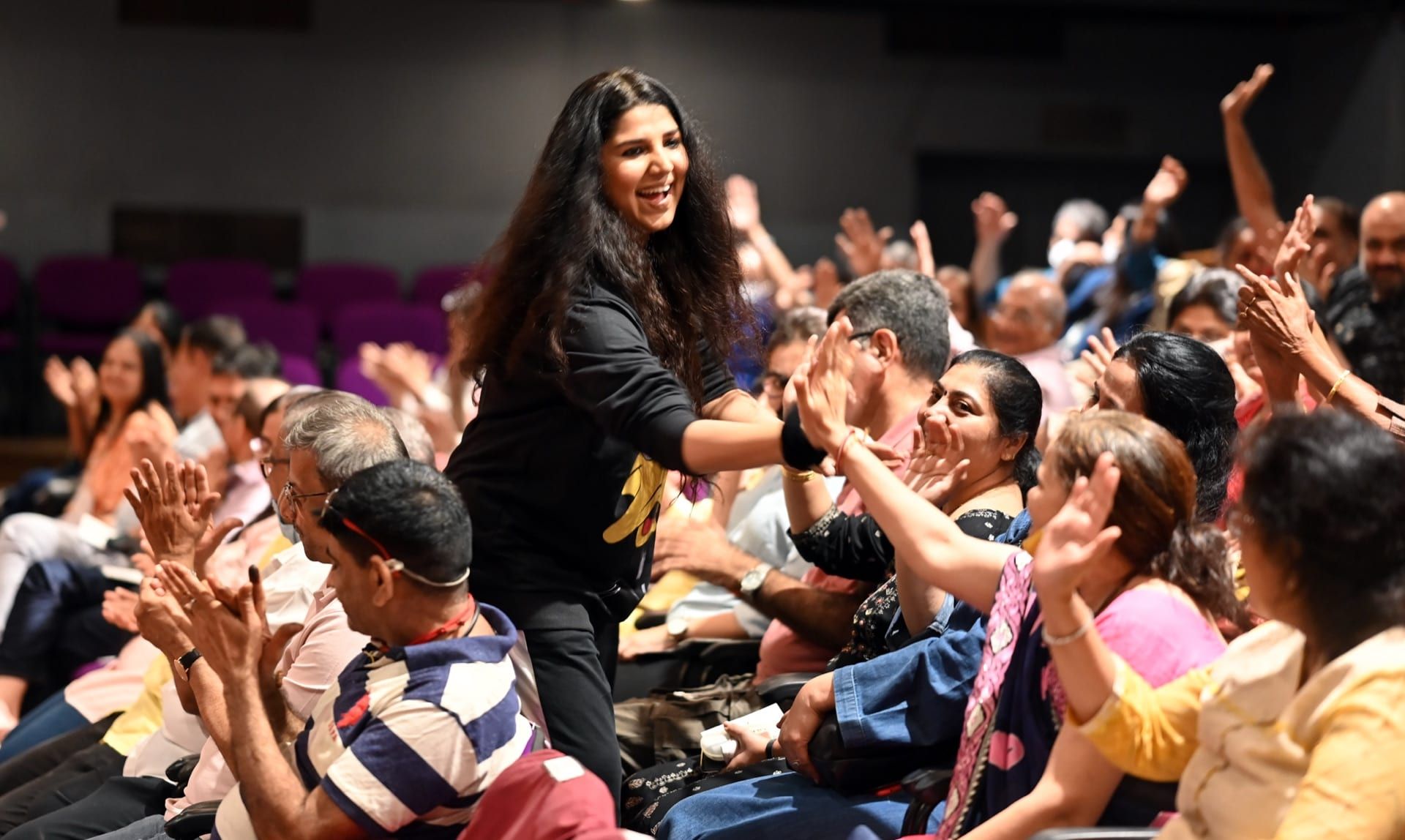
Seventy-five minutes. A chair. A Daffy Duck sweatshirt. String lights. Nothing else. Devaki moves through the room — sitting next to a stranger, pulling an elderly uncle onto the stage, making a teenager read out a love letter — and the effect is disarming. You cannot maintain the safe distance of a spectator when the performer is looking you in the eye and asking you to name something brilliant.
The play tracks its protagonist from age seven to womanhood. Her mother’s depression is not dramatised or sensationalised. It is simply present, the way it is present in millions of Indian households — unspoken, misunderstood, covered up with explanations about tiredness or God’s will. The girl’s list is her private rebellion against this silence. Every item is an argument for being alive. The list grows past a thousand, past ten thousand, past a million. It never stops growing because the point is not to finish it.
The music for Adbhut was composed by Amit Bhavsar, with songs by his son Siddharth Amit Bhavsar — the Ahmedabad-based composer known as Musicwaala whose work spans Gujarati cinema from Love Ni Bhavai to Sharato Lagu. The singers include Madhubanti Bagchi, whose voice most of India now knows from Aaj Ki Raat in Stree 2, and Yashika Sikka, who has recorded with A.R. Rahman. That this calibre of musical talent anchors a Gujarati theatre production says something about the gravitational pull of the material.
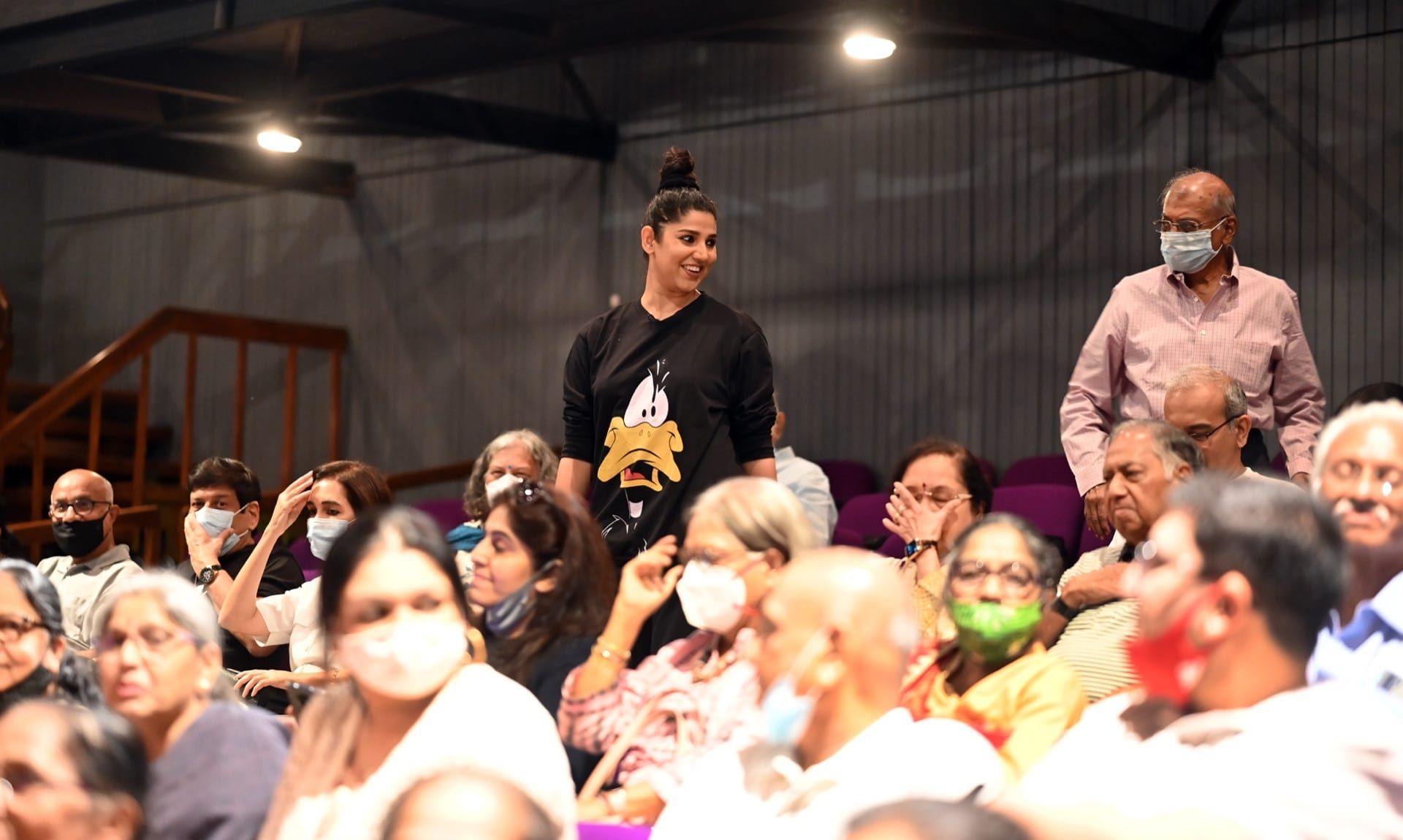
Manoj Shah directed. Janam Shah produced. The NCPA co-produced and hosted the premiere in 2021. Since then, it has been performed at venues across Mumbai and Ahmedabad — Scrapyard, Prayogshala — and continues to draw full houses years later. Notably, an English-language Indian production of Every Brilliant Thing already existed, directed by Quasar Thakore Padamsee and performed by Vivek Madan, which was nominated at the META Awards. Adbhut is not competing with that version. It is doing something different: proving that the play’s emotional core survives not just translation but cultural reinvention.
Mental health remains one of Indian theatre’s most underserved subjects. Bollywood has made films about it; stand-up comics joke about it; therapists post about it on Instagram. But the live, communal, inescapable experience of theatre does something none of those forms can: it puts you in a room with a hundred other people who are all feeling the same thing at the same time, and it says, you are not alone in this.
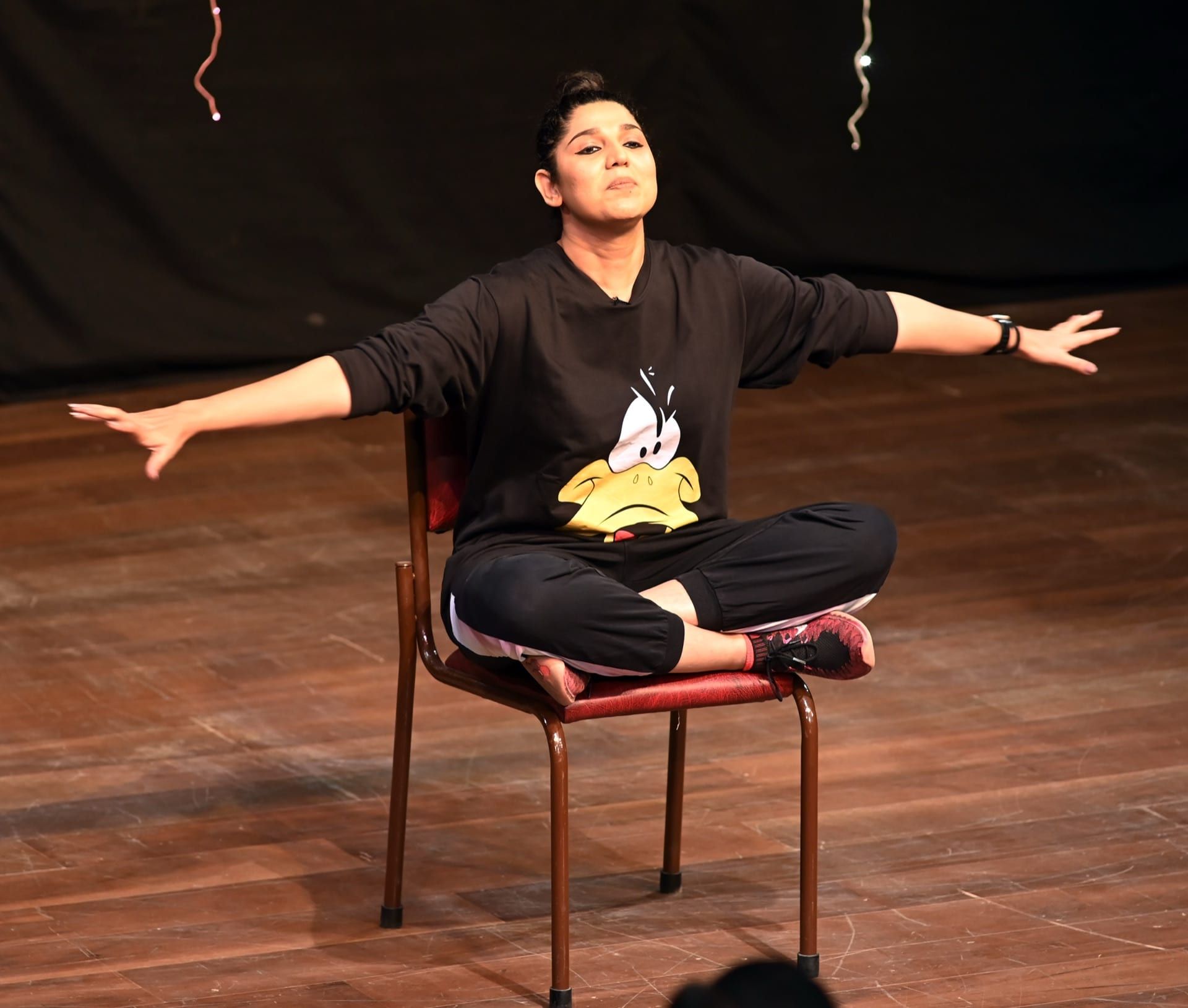
Adbhut means ‘wonder’ in Gujarati. It is the right title. Not because the play is wonderful — though it is — but because it returns you to a state of wonder. The wonder of a seven-year-old who believes that a list of brilliant things can save her mother. The wonder of an audience that discovers, midway through a play about depression, that they are laughing. The wonder of realising, as the lights come up, that the person sitting next to you — a stranger you will never see again — is wiping their eyes too.