Huto and Huto Oh Yaa!
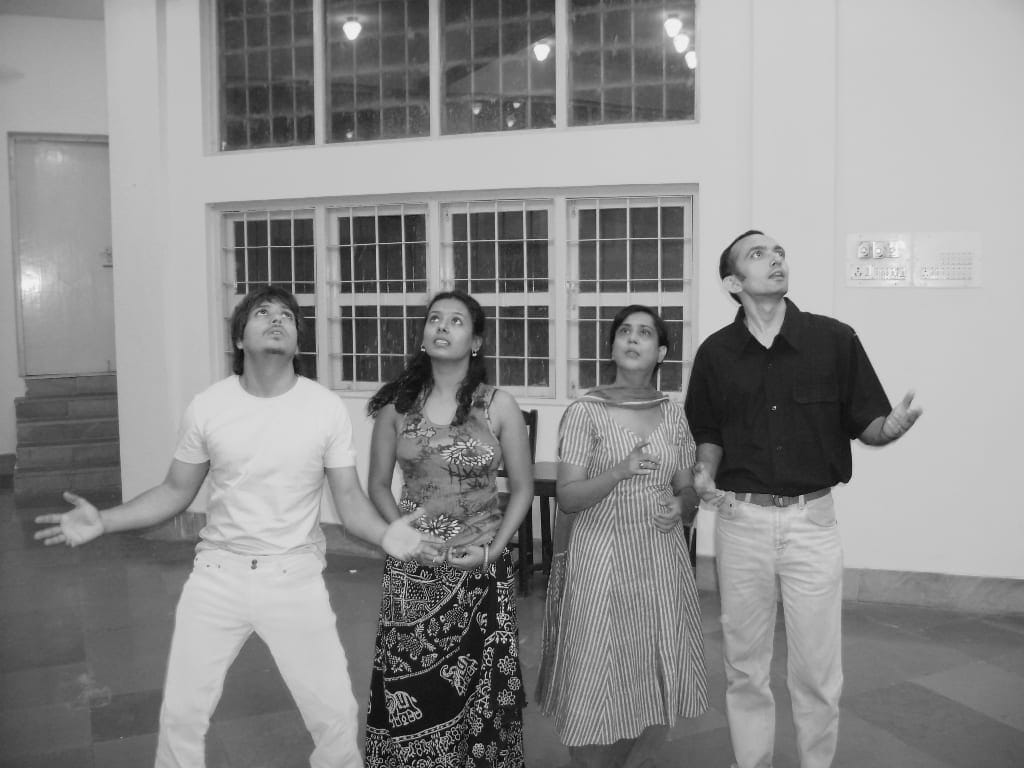
An Ideas Unlimited production directed by Manoj Shah, featuring Chirag Vohra.
The People
Behind
the Play
Also Worth
Seeing
Mareez
Sufi on the Rock Since 2004
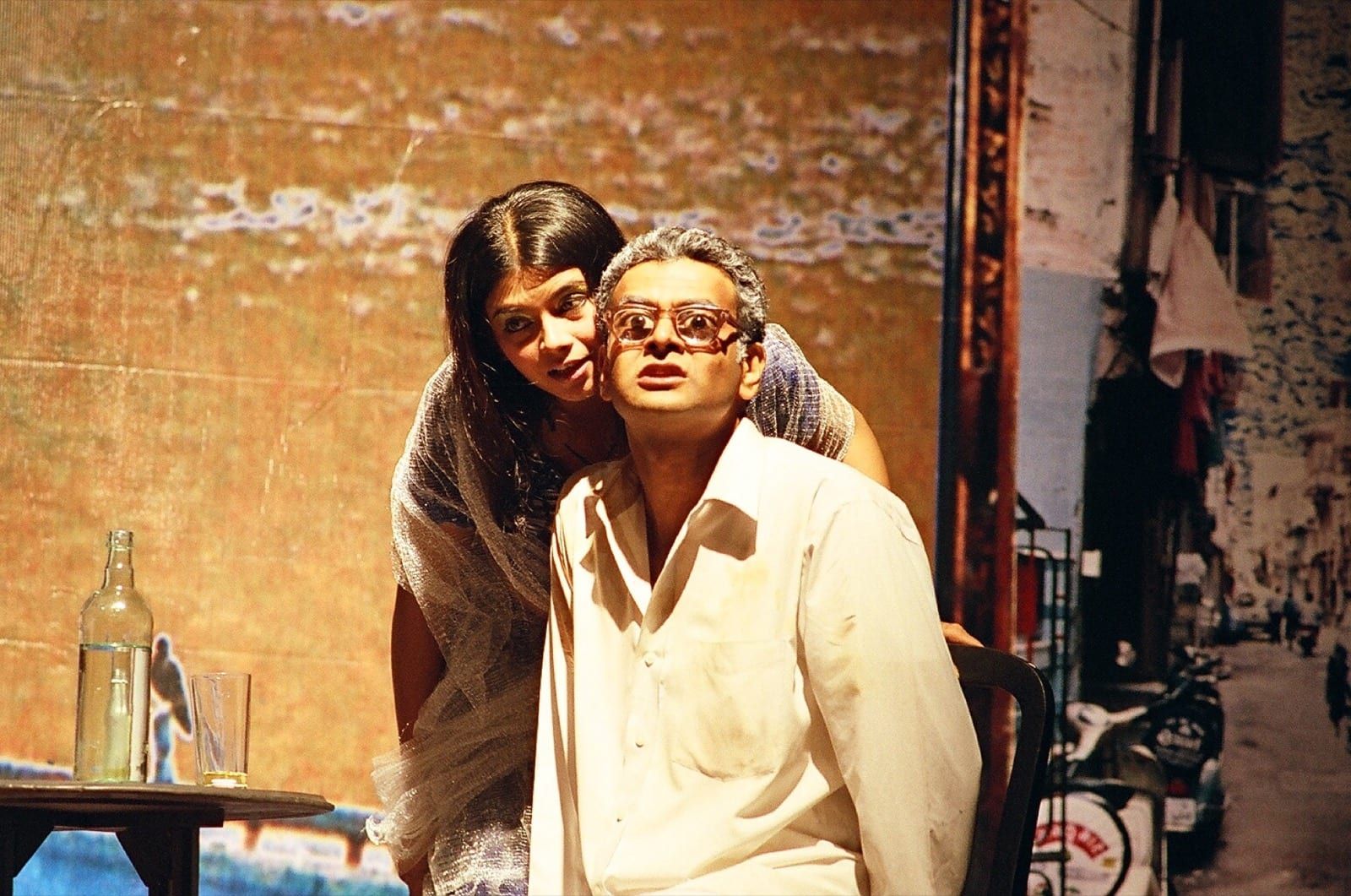
The longest-running Gujarati play. Two hundred performances and counting, at Prithvi Theatre continuously since 2004. Abbas Abdul Ali Vasi was born in Surat in 1917 into a Dawoodi Bohra family. He dropped out of school in the second grade. By fourteen, he was composing ghazals. By his twenties, he was selling them for five rupees apiece to wealthy men who published them under their own names. He drank. He loved a woman who would not love him back. He married another who stood by him. He contracted tuberculosis. He wrote 178 poems that the literary establishment ignored and the people of Gujarat memorised. His pen name was Mareez — literally, ‘a sick man.’ They called him the Ghalib of Gujarat. He died in 1983 after being hit by an auto-rickshaw on a Mumbai street. Adapted by Vinit Shukla from Raeesh Maniar’s biography Mareez: Astitva Ane Vyaktitva, and directed by Manoj Shah, the play does not tell this story in order. It weaves poetry, fantasy, hallucination, and realism into a theatrical fantasia — inspired by Vincent van Gogh’s letters Dear Theo and Charles Bukowski’s Barfly. Dharmendra Gohil has played Mareez since the 2004 premiere — twenty years in the same role — with critics noting that ‘Mareez was in his veins.’ Kumkum Das plays Sona, his wife. The set comprises six paintings by Padma Bhushan-awarded artist Ghulam Mohammed Sheikh. The music is by Uday Mazumdar, a tabla player trained under Ravi Shankar.
Gujarat Ni Asmita
The Glory of Gujarat
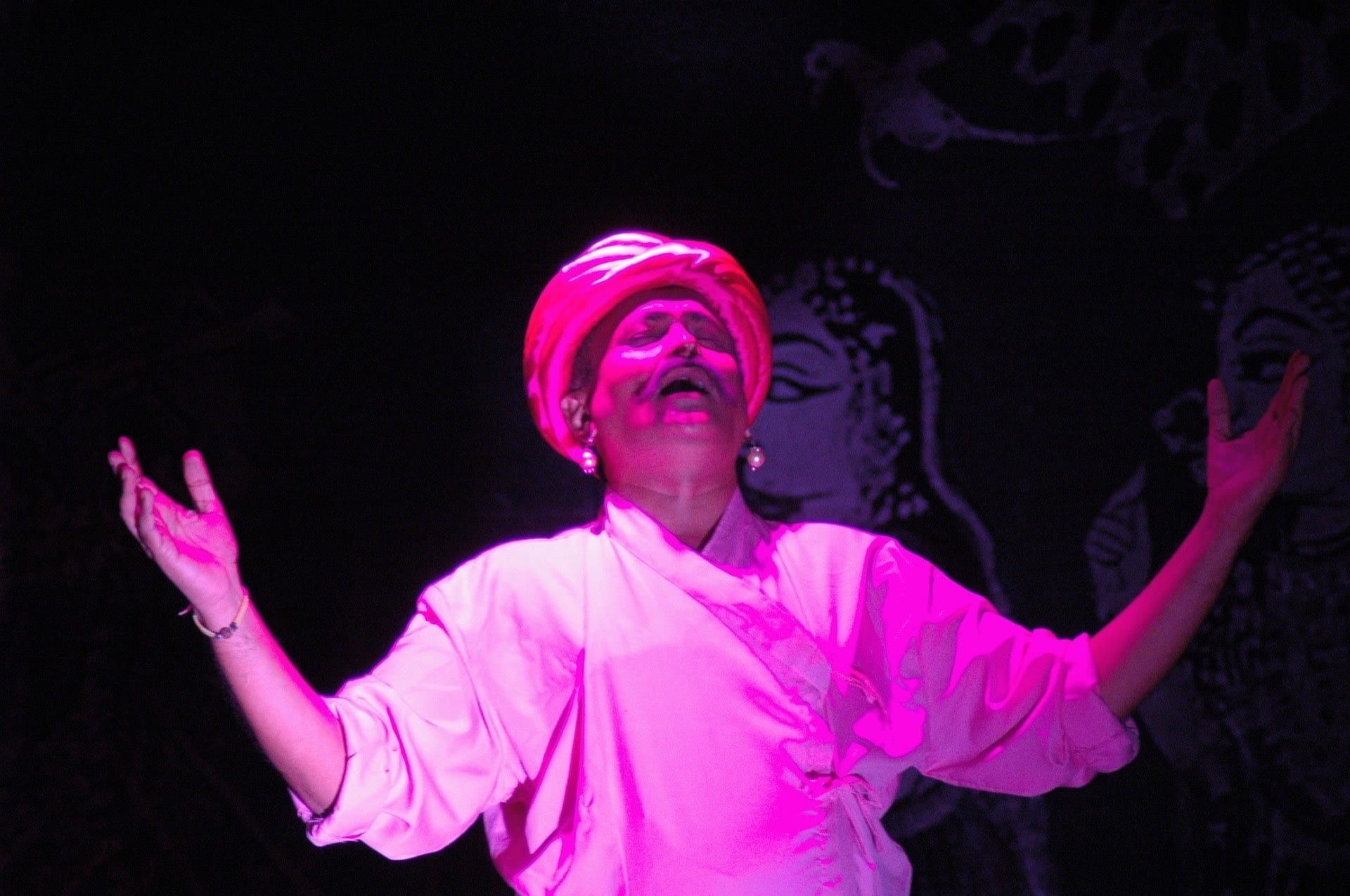
Gujarat Ni Asmita is a theatre and music journey through the literature that made Gujarati a language to be proud of — from Gujarat, by Gujarat. Conceived and directed by Manoj Shah, dramatised by Raju Dave and Satya Mehta, it gathers the great voices of Gujarati poetry and reform onto one stage across six centuries: Narsinh Mehta and Meera, Akho and Premanand, the Krishna–Sudama episode Premanand made his own, Dayaram and his garbis, Dalpatram and his historic meeting with Alexander Kinloch Forbes, Narmad with his fierce reformist prose, and Meghani with the folk songs of Saurashtra. The play projects these characters, their work and their lives alongside the ordinary people of Gujarat for whom they wrote. It is an epic staged in a contemporary register — built so that anyone with no more than a slight idea of Gujarati literature can discover the gem of the past, without lecture or apology. The verse arrives in the language it was written in, and the staging trusts the audience to lean in and listen. Suresh Joshi's score runs under the whole evening — thirty-nine cues moving from Narsinh Mehta's bhajans to Meghani's lokgeet, a parallel narrative of how Gujarati identity has always been carried in melody. Rajiv Bhatt's costumes date each century as it arrives, and the lighting by Ajinkya Sampat and Shekhar Phadke works against a painted pichhwai backdrop and projected images that put the poets' own faces behind the actors playing them. It first went up in 2003 at Gujarat College, Ahmedabad, as a forty-five-actor piece before an audience of fifteen thousand that included the then Chief Minister Narendra Modi, and was later staged for more than twelve thousand people in and around Morari Bapu's Mahuva in Saurashtra. In August 2008 a nine-member company took it to the main stage of Chaalo Gujarat '08, the World Gujarati Conference in New Jersey — Ideas Unlimited's third American tour after Master Phoolmani in 2004 and Apurva Avsar in 2007.

Akho Akha Bolo
Akho Akhabolo — literally, ‘Akho speaks’ — is an Ideas Unlimited play that brings the seventeenth-century Gujarati saint-poet Akho Bhagat onto stage in his own voice. Akho was an Ahmedabad goldsmith who watched his trade poison itself with greed, was framed for a theft he did not commit, and walked out of the workshop into a life of bare verse. His chhappa — six-line satirical stanzas — remain the sharpest critique of religious hypocrisy that Gujarati has produced. The play uses Akho's own monologues, his confrontations with the cosmic figures Chitt (mind) and Vichaar (thought), and his furious, lucid poetry to construct a portrait of a man who could not stop seeing through things. He saw through priests collecting rupees in the name of god, through saints who polished their reputations more carefully than the poor polished their floors, through the small daily betrayals of family — including the famous incident of the silver pendant, where his own sister-figure broke his trust by tampering with the gold he had given her. Akho watched, and Akho wrote. Manoj Shah's production stays close to the verse and close to the man. The stage is bare. The language is Akho's seventeenth-century Gujarati, untranslated, performed for an audience that hears it the way it was first heard — as both poetry and accusation. The play opens with the line that has become his signature, ‘Santo, aavoji, desh hamare’ — Saints, come, to my country — and closes on the same invitation, three centuries on, still open.
Achalayatan
Rabindranath Tagore's Allegory of Freedom
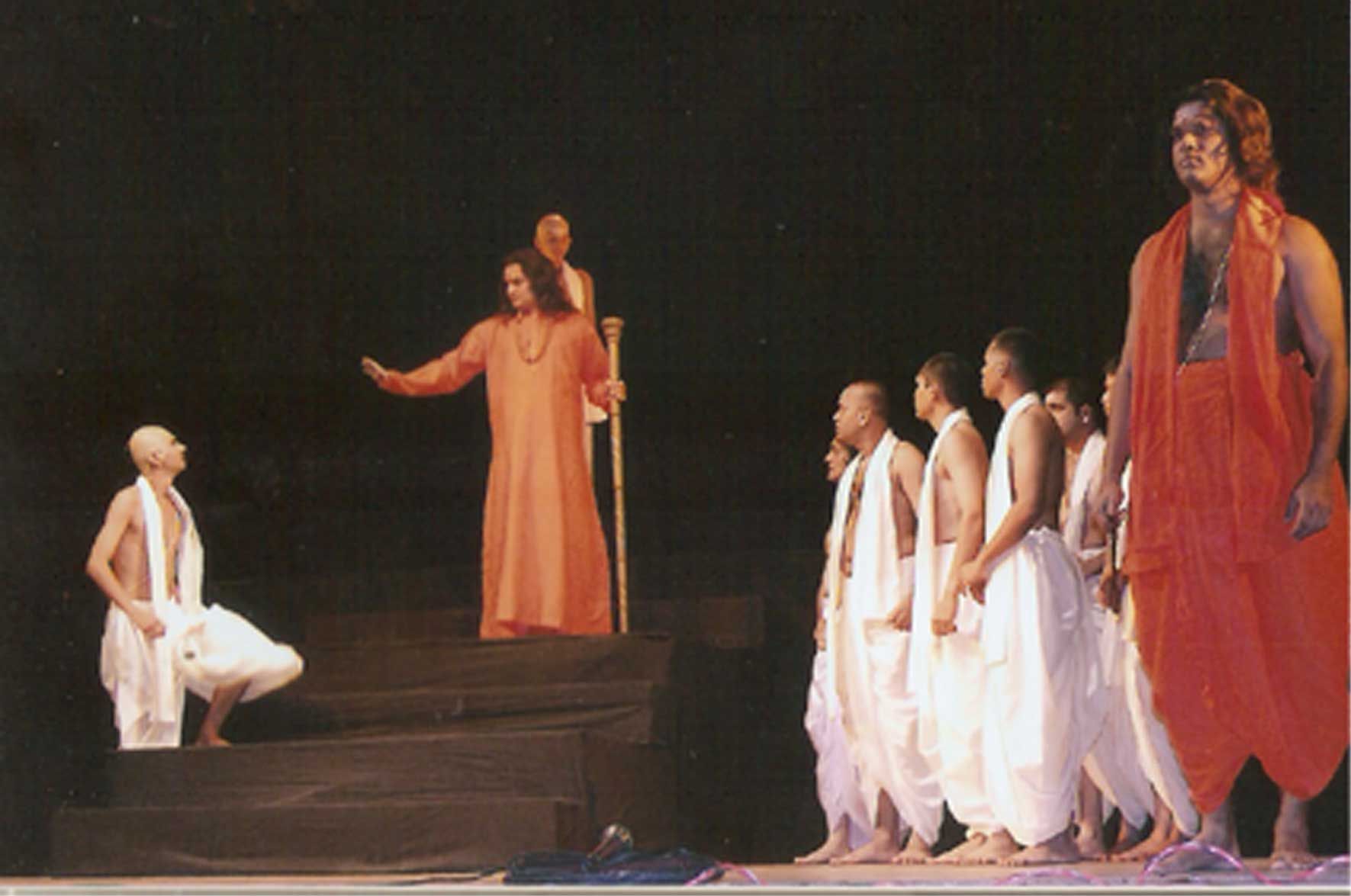
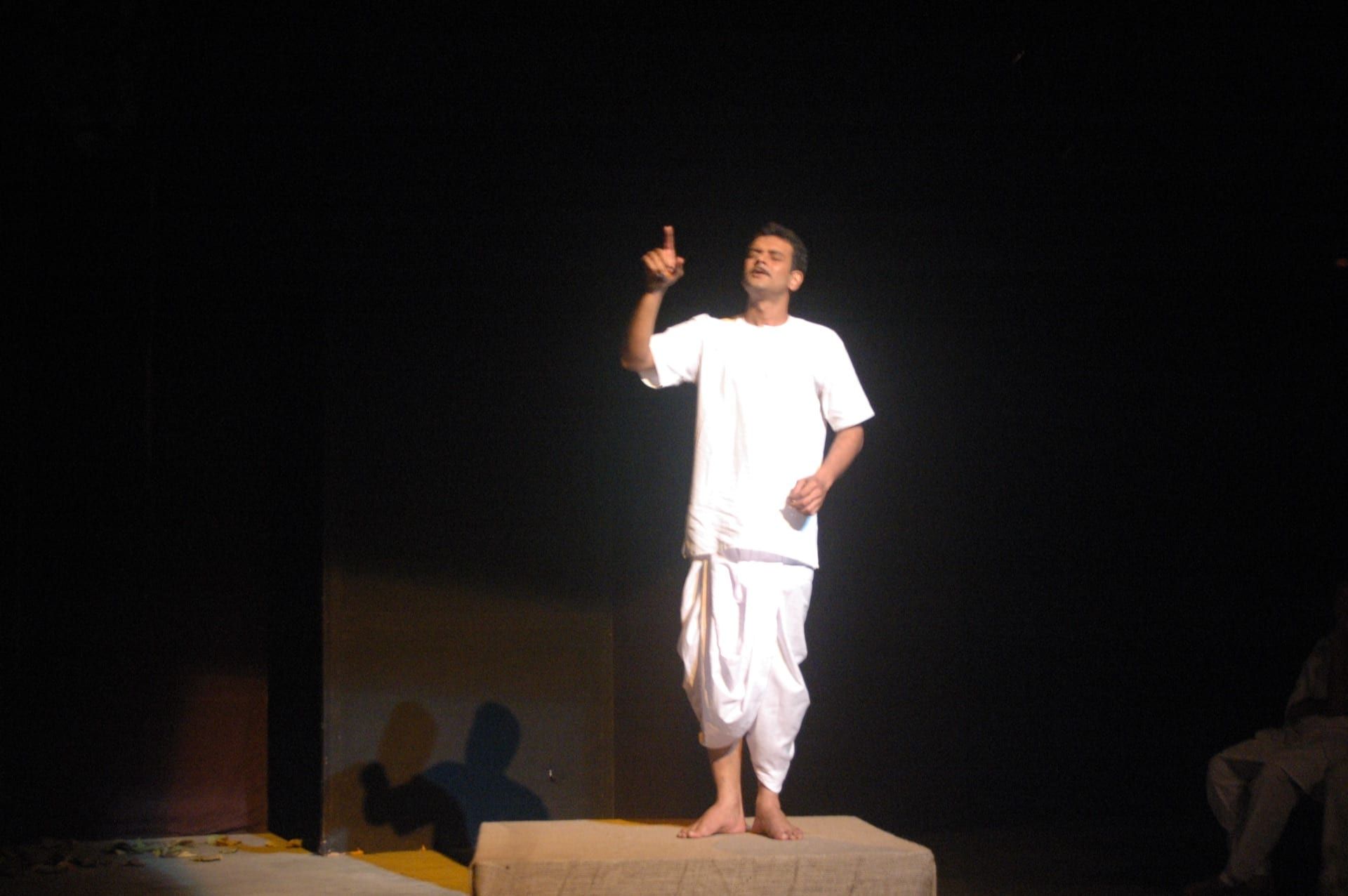
Tagore's searing allegory of an ashram so rigid that even light is forbidden entry. A young student named Panchak, unable to cope with the dead weight of rules, peeks through a forbidden window and discovers a world outside — free, simple, alive. His encounter with the untouchables beyond the walls sets him on a path of self-discovery that challenges the very foundations of the institution. When the Guruji finally arrives, he does not repair the system — he breaks it open. Adapted into Gujarati by Giridhar Kripalani under the guidance of Kaka Kalelkar, this production was Ideas Unlimited's tribute to India's first Nobel laureate. Manoj Shah spent eight months — six in study, two in rehearsal — preparing the play, calling it one of Tagore's best crafted works. The production premiered at the five-day Tagore Festival in Kolkata at G. D. Birla Sabhagar, where it was the only Gujarati-language play presented — a bold choice that brought Tagore's most scathing critique of institutional orthodoxy back to his own city, in a language he never wrote in.
Apurva Avsar
The Spiritual Mentor of Mahatma Gandhi
Apurva Avsar — meaning 'a rare occasion' — is a Gujarati biographical drama based on the life and teachings of Shrimad Rajchandra (1867–1901), the Jain philosopher, poet, mystic, and social reformer whom Mahatma Gandhi called his spiritual guide and refuge in moments of crisis. Born in Vavaniya, a small village near Morbi in Gujarat, Rajchandra recalled his past lives at the age of seven. He became a master of poetry, Shatavadhana (the feat of simultaneously tracking a hundred different tasks), and astrology. His fame spread across the country — yet he renounced it all, concentrating on self-restraint and the pursuit of liberation from the cycle of births and deaths. Against his own will, he married and entered business, which flourished across India and beyond, but his hours remained consumed by spiritual inquiry. Wanderers and seekers visited him constantly. The play brings together three towering figures of Jain spiritual history on a single stage — Acharya Hemchandra (11th century), Avdhut Anand Ghanji (17th century), and Shrimad Rajchandra (19th century) — tracing 2,500 years of a living philosophical tradition. Three actors perform fifteen characters in a theatrical challenge that moves from Rajchandra's childhood visions through his meetings with Gandhi in Mumbai in 1891, their searching correspondence while Gandhi was in South Africa, and Rajchandra's final renunciation. Dramatized by Raju Dave and Manoj Shah after a year and a half of research, the play premiered at Prithvi Theatre, Mumbai on 28 February 2007. It has since been performed across India and in the United States, including at the Jain Center of Southern California. A Hindi adaptation by Prayas Dave followed the same year. The subject matter is drawn from the everyday texture of society — the treatment is realistic, so that any common person can relate to how Jain culture has shaped Indian heritage, religion, language, literature, and philosophy in ways both visible and profound.
Master Phoolmani
Once More, Shout It Loud
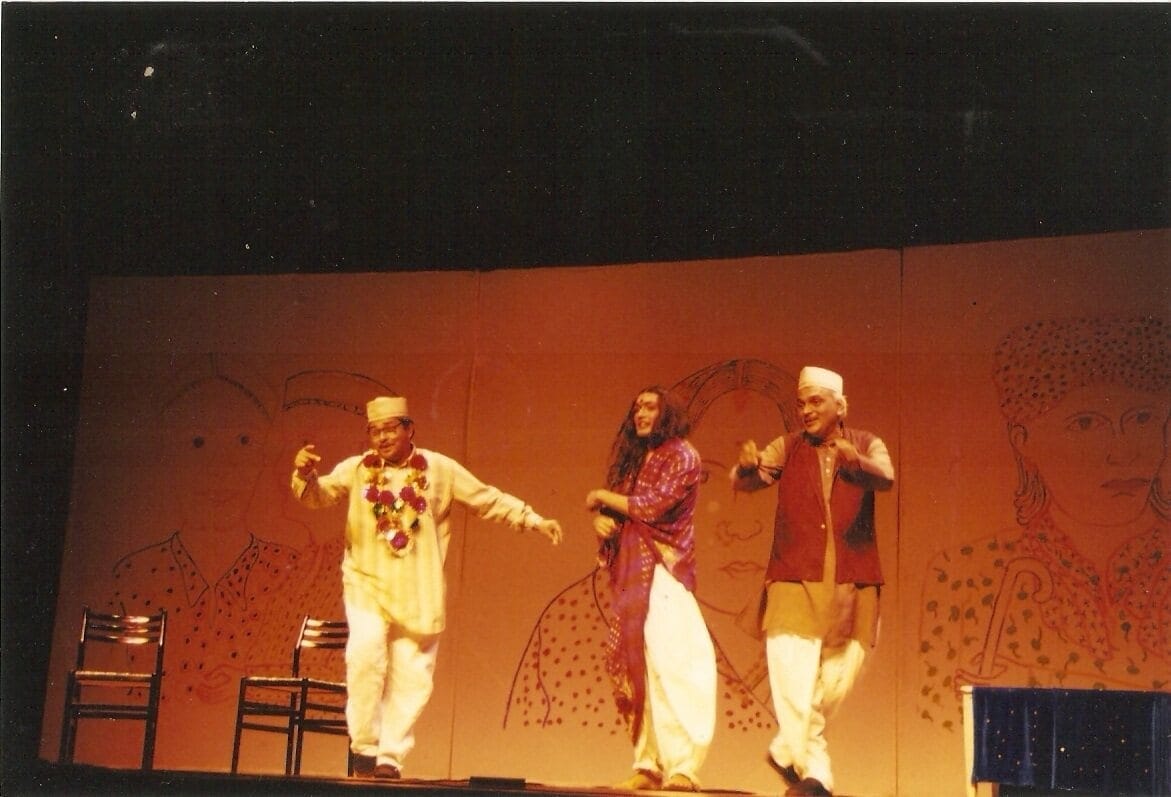
Bhangwadi Theatre stood on the corner of Princess Street in Kalbadevi from 1874 until it closed in 1968. Its plays ran all night, carried forty songs apiece, and had no microphones — everything depended on lungpower. When the audience shouted "once more" the actor sang the song again with a new verse, sometimes twenty times over, while coins and cash and garlands rained onto the stage; the more popular companies strung nets to protect their performers from the money. Special trains brought audiences from Kolkata, Chennai, Cochin, Vadodara and Surat. Outside, the whole of Kalbadevi was lit with lamps, and before curtain-up a gun loaded with potash powder was fired into the air and the doors opened. Master Phoolmani is a play about two men who have nowhere left to put that world. Chandrakant Shah's script takes Satish Alekar's Marathi masterpiece Begum Barve as its structure and spikes it with the life of Jayashankar Sundari — who, with Bal Gandharva, was the legendary actor-singer of female roles in the early twentieth century, in an era when women were not allowed on stage at all, and who taught the young girls and the wives of rich seths how to wear a sari and carry themselves. Manilal is a Bhangwadi actor whose stage name was Master Phoolmani and whose theatre no longer exists. Sheth Vallabhdas Bhatia, once immensely rich, is still besotted with Phoolmani's music. Vasantlal and Sumanlal are bachelor government clerks with no marriage prospects and a great deal of imagination. Out of that meeting the four of them build a fantasy and move into it. Manilal becomes the heroine Vanlata and marries Sumanlal; both come to believe she is pregnant. Then Bhatia Seth and Vasantlal pull the fantasy down, and the ending is not funny at all. As Manoj Shah put it, the physical relationship between the lonely out-of-work Bhangwadi actors and the unemployed clerks was never the point — their need to connect was more important than sex. The staging kept the Bhangwadi rules and dropped its budget. Only men act in the play. The musicians are trained singers in the Bhangwadi and Bhavai styles, playing live on tabla, dholak and a folding beech-wood organ over seventy-five years old, imported from America by film actor Ashok Kumar's company and one of the few such instruments left in India — the same organ used by Master Krishnarao Fulambrikar in the Sangeet Natak. There are twenty-nine songs, built on particular ragas, old folk tunes and traditional melodies, and the actors sing them all. Bhupen Khakhar — India's first Pop artist, a Padma Shri, four years from the end of his life — painted the backdrop as eleven-foot portraits on collapsible folding frames, with a golden curtain to halve the stage. Jayashankar Sundari and Bal Gandharva wore elaborate women's costumes; this company did not have the money, so a dhoti is folded into a sari and the audience is left to complete it. Master Phoolmani opened at Horniman Circle Gardens on 15 November 1999 as part of the Prithvi Theatre Festival and ran until 2015 — over a hundred performances, the longest run in Ideas Unlimited's history. The poster promised what the play delivered: one more chance to shout once more.