Lagan Magan
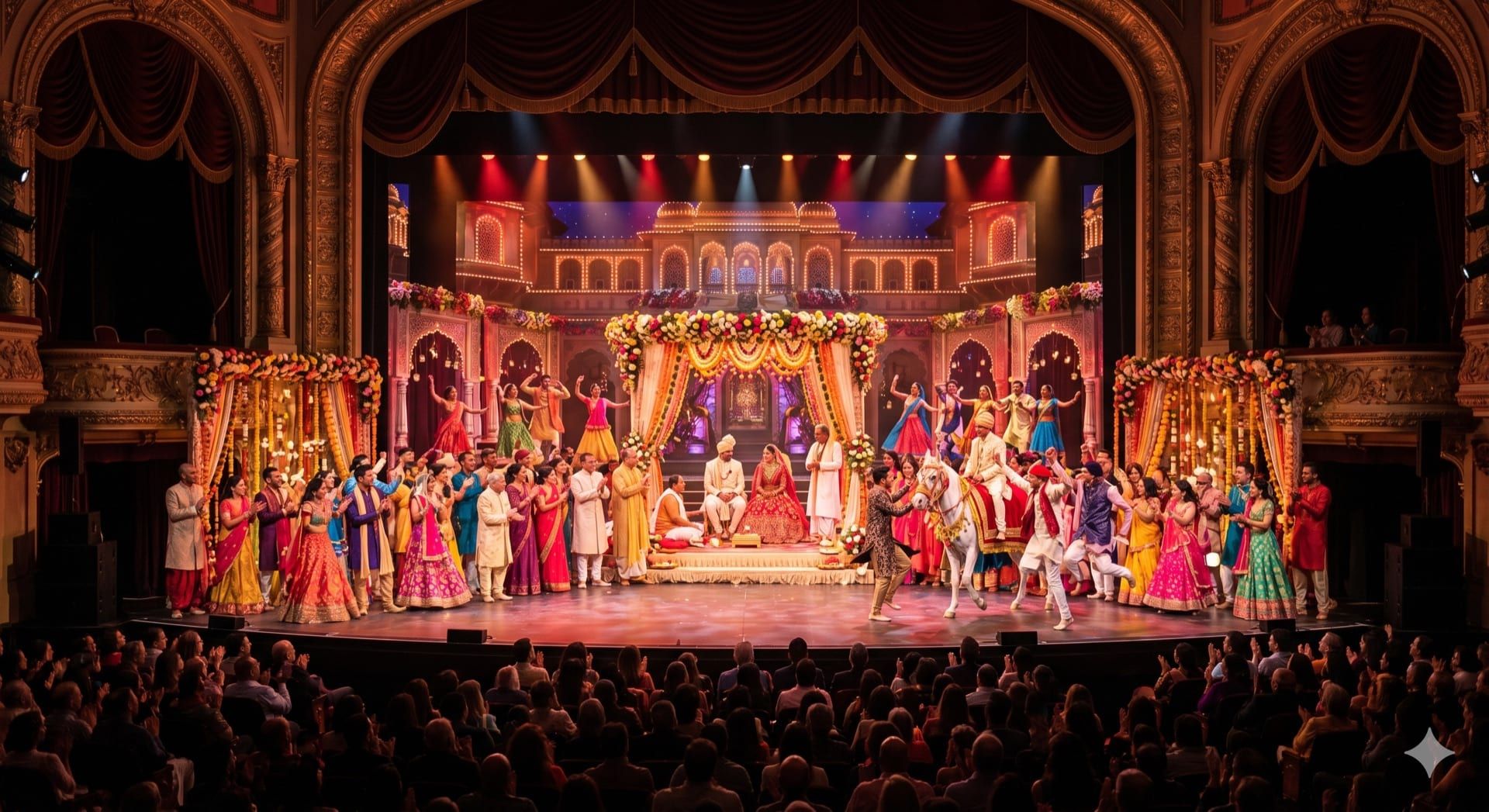
Lagan Ma Magan turns a grand Gujarati wedding venue into the epicentre of joyous chaos, where multiple families from different regions arrive to celebrate a series of marriages. Each family carries not only its own customs and traditions but also its distinct dialect — turning every conversation into a lively mix of familiar phrases, amusing misinterpretations, and unexpected linguistic clashes. As the celebrations unfold, the differences in dialect become both a source of humour and tension. What sounds like an argument to one family is just an animated discussion to another. Affectionate phrases are mistaken for sarcasm. Wedding rituals become battlegrounds of speech, where words hold as much power as emotions, and every blessing arrives with a pronunciation problem. As the dance, the music, the endless festivities, the laughter and the shared moments take over, the play quietly insists that dialects — though different — are threads of the same cultural fabric. Lagan Ma Magan is finally a celebration of linguistic diversity, proving that love and family always find a common language, no matter how different the words may sound.
The People
Behind
the Play
Also Worth
Seeing
Mr. Apple
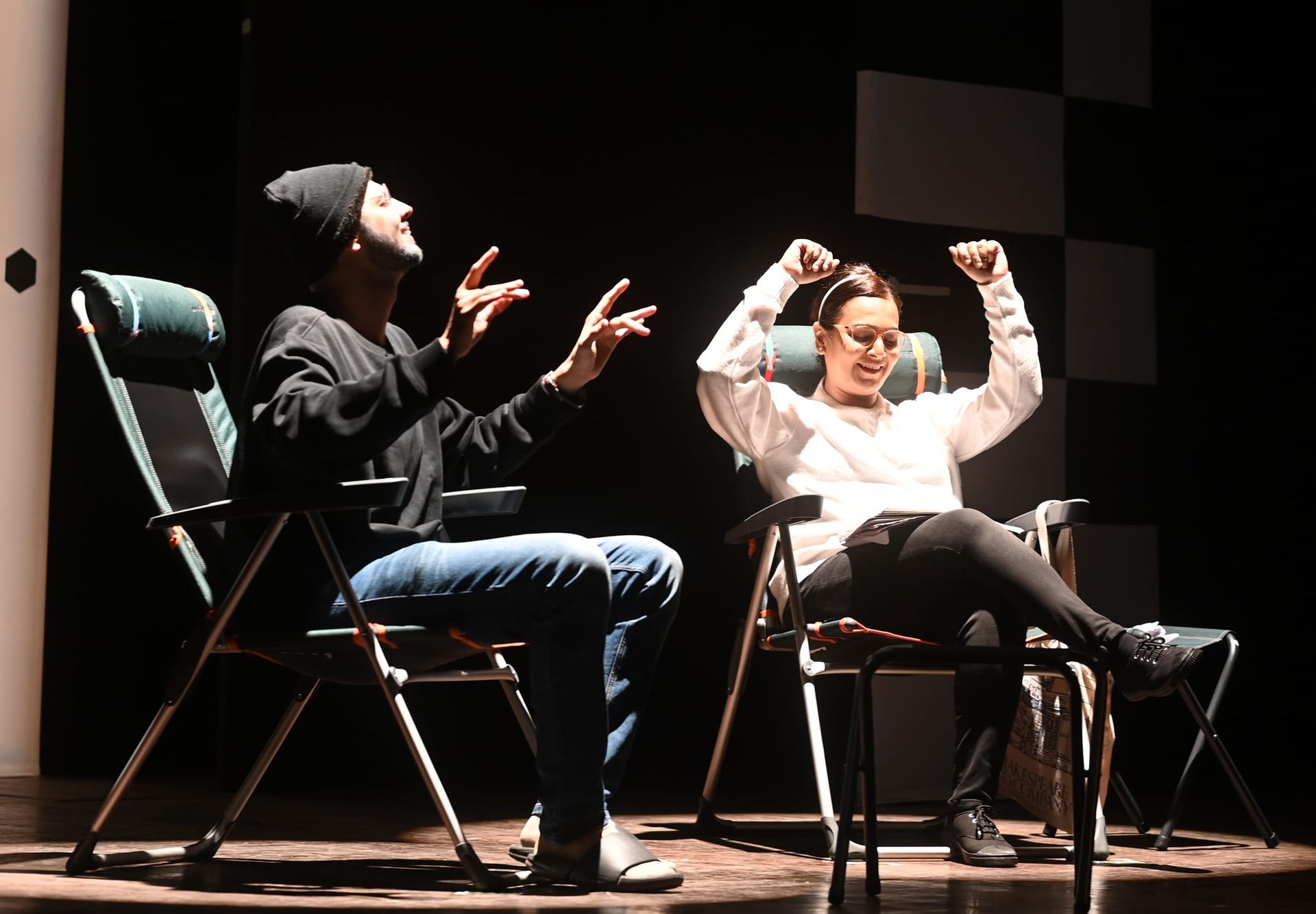
A riveting Gujarati drama exploring Steve Jobs' turbulent relationship with his daughter Lisa Brennan-Jobs. How do you measure greatness — by brilliance alone, or by the complexities that shape a person? Mr. Apple, written by Shishir Ramavat and directed by Manoj Shah, sits with the extraordinary yet deeply flawed life of the iconic entrepreneur behind Apple Inc. Jobs is universally celebrated as the visionary who revolutionised technology and birthed the digital age, but his personal journey was marked by contradictions and poignant ironies. Abandoned by his biological parents, he tragically repeated the cycle with his own daughter Lisa, whom he initially refused to acknowledge as his child. The play captures their explosive, often heartbreaking relationship through intense confrontations, deep-seated bitterness, cathartic meltdowns, and eventual moments of tenderness and reconciliation. Rather than depicting a conventional father-daughter narrative, Mr. Apple portrays how human relationships are never purely black or white but painted in nuanced shades of grey. It does more than celebrate Steve Jobs' brilliance — it courageously reveals his vulnerabilities and emotional struggles, offering a humane portrayal of the man behind the legend. As audiences witness the human inside the icon, the play invites introspection into identity, legacy, and the universal quest for connection and acceptance. Designed by Kabir Thakore with music by Amit Bhavsar and lights by Inaayat Sami, performed by Disha Savla Upadhyay, Alpesh Dixit, and Pinkesh Prajapati.
Adbhut
The Wonder Within
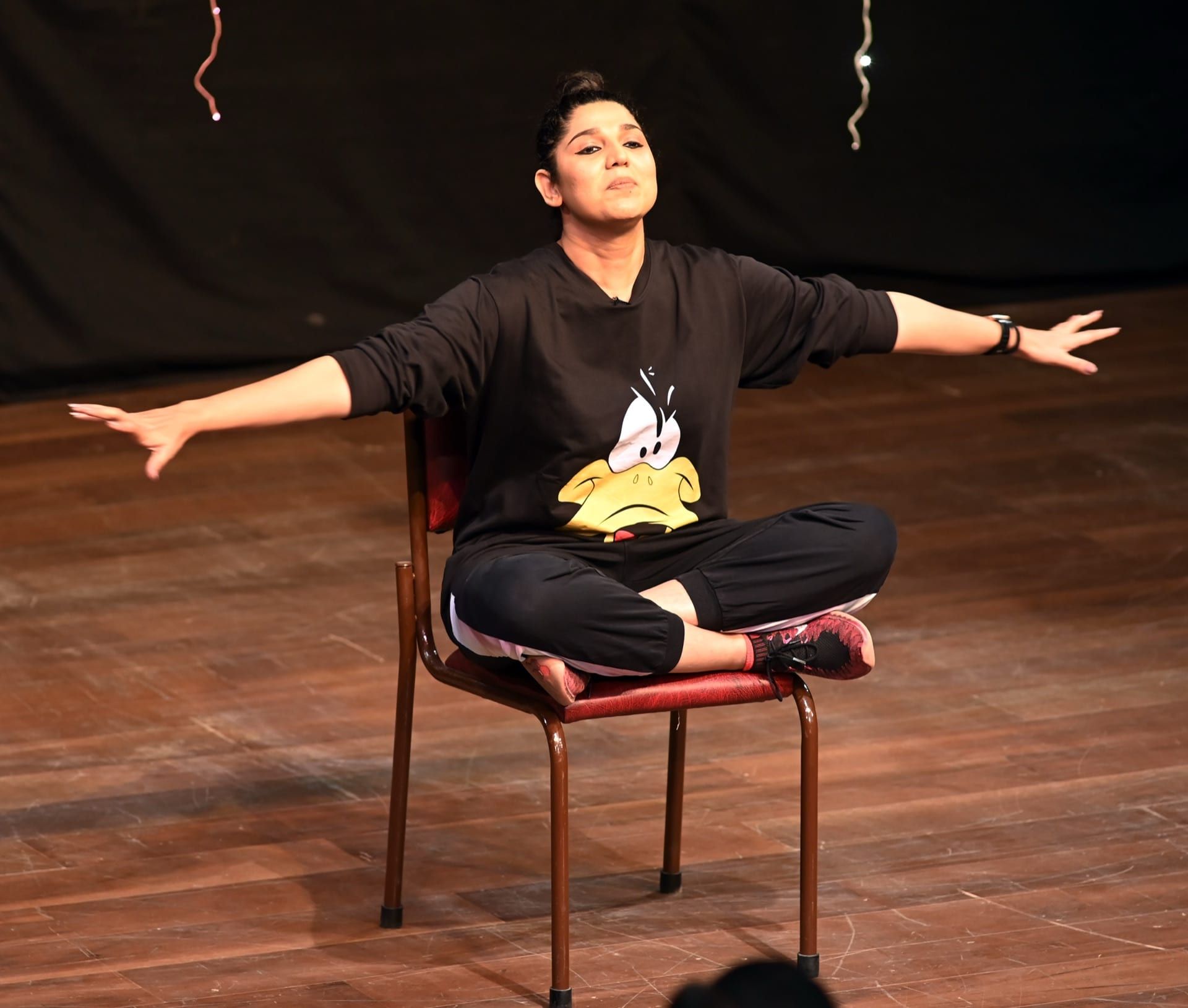
A solo Gujarati adaptation of Every Brilliant Thing by Duncan Macmillan and Jonny Donahoe — one of the most performed plays in the world — reimagined for Indian audiences by Satchit Puranik and directed by Manoj Shah. The original play premiered at the Ludlow Fringe Festival in 2013 with Donahoe performing, before transferring to London and an HBO special. It has since been staged thousands of times worldwide. Puranik's Gujarati adaptation transforms the play's cultural texture — Doordarshan evenings replace Saturday morning cartoons, garba nights replace school dances — while preserving its radical theatrical form: the audience is the cast. From the moment the play begins, the boundary between performer and audience dissolves. RJ Devaki guides the room through the story of a girl who, at age seven, begins a list of every brilliant thing worth living for as a way to pull her mother back from the edge of depression. The list grows as the girl grows, through adolescence, heartbreak, marriage, and the quiet weight of adulthood. With nothing but a chair, a Daffy Duck sweatshirt, and extraordinary presence, Devaki turns strangers in the audience into co-performers, drawing out laughter, silence, and tears in equal measure. Adbhut is not a lecture on mental health — it is a lived experience of it, told with the warmth of someone who understands that sadness and wonder can occupy the same breath.
iSchool
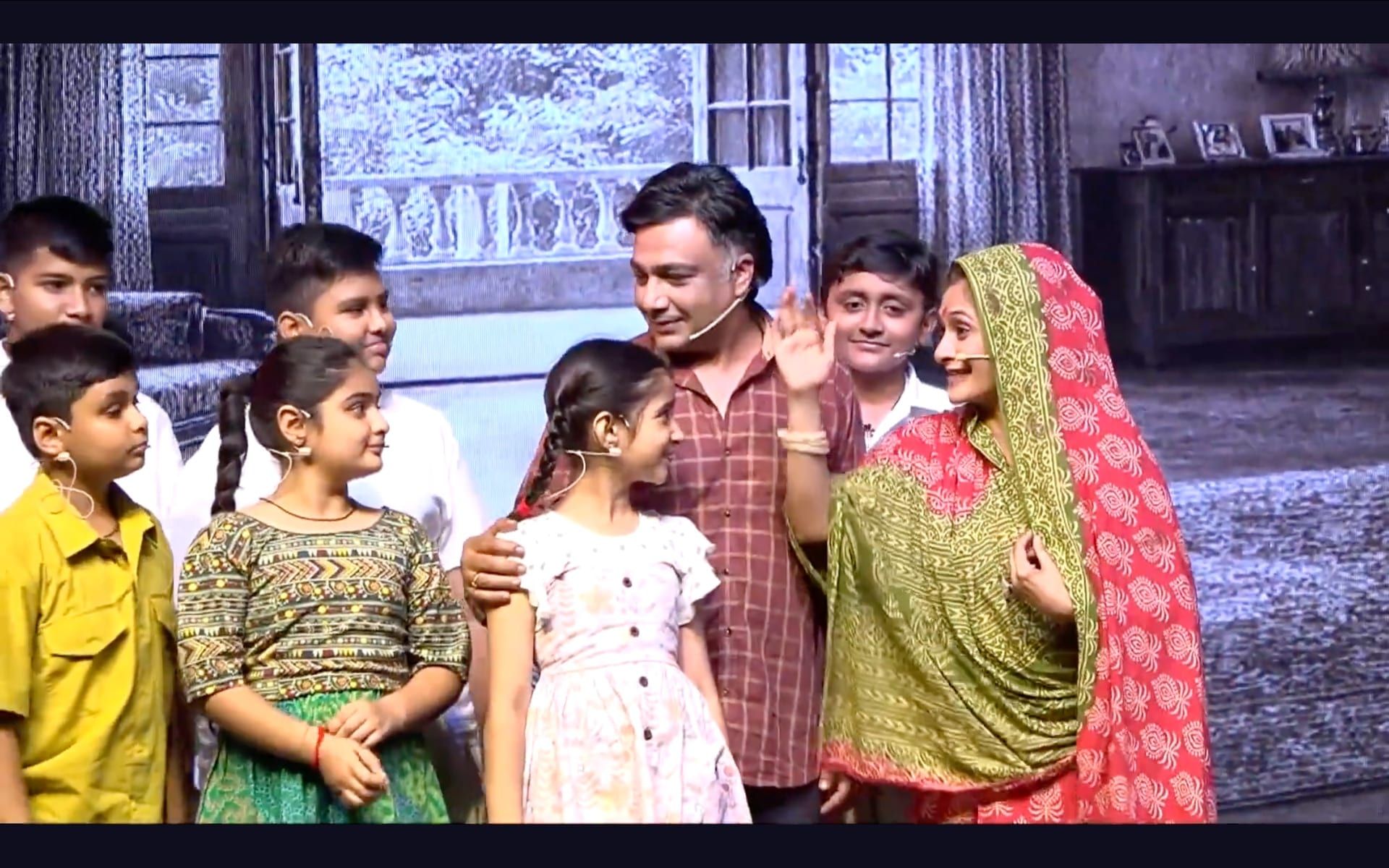
An Ideas Unlimited production directed by Manoj Shah.
Kaagdo
Happiness Decoded
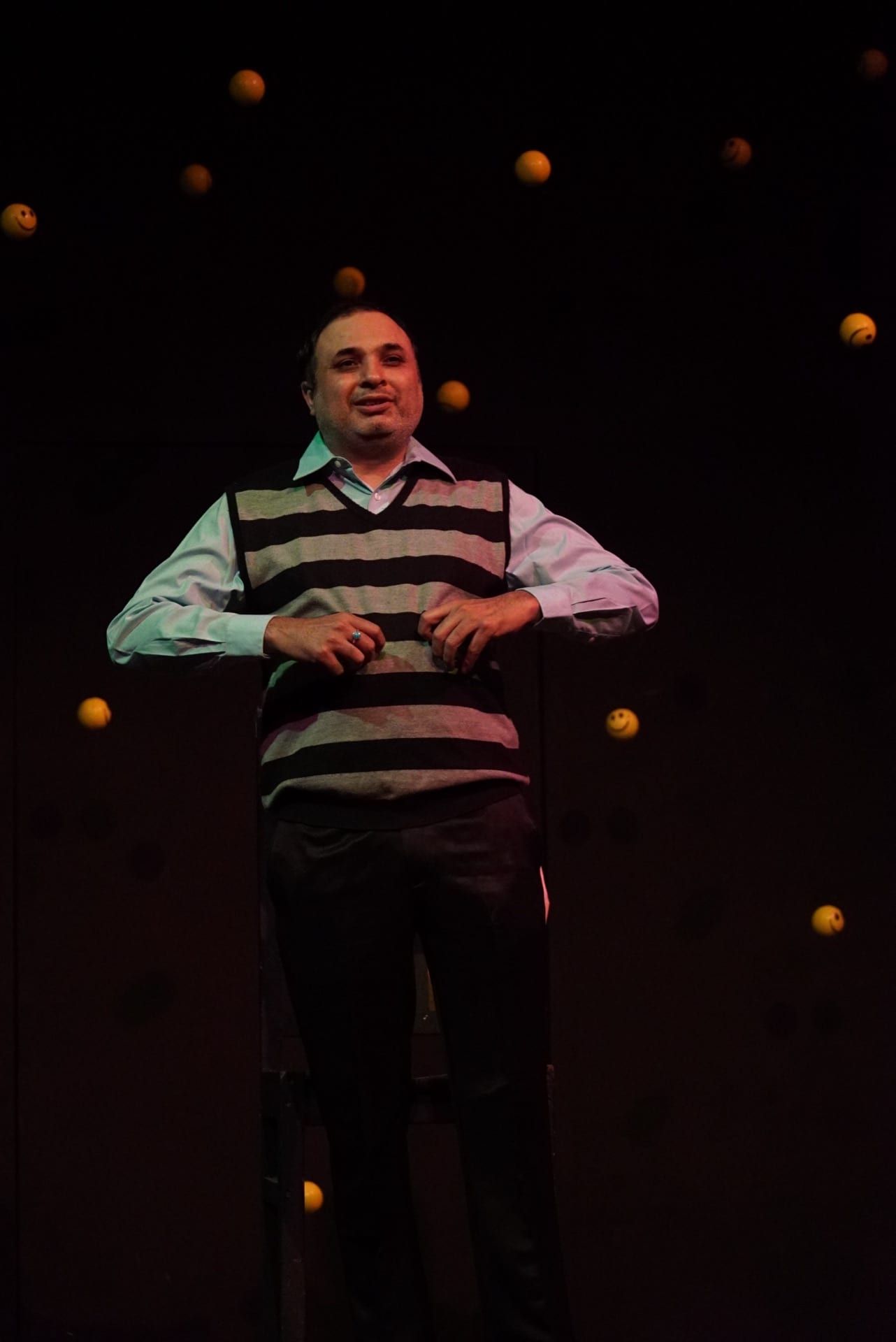
Imagine a world where being happy is a crime. That is the reality in Kaagdo — a biting satire named after the Gujarati folk tale Anandi Kaagdo (The Happy Crow), in which a crow is punished by a king but gleefully sings and enjoys every punishment. The play follows a man — a humble, barefoot government worker in a striped sweater — whose wife has died, whose daughter lives abroad, who owns nothing of consequence, and who is inexplicably, unshakeably content. This is considered suspicious. He is taken to court. A relentless lawyer is brought in to interrogate this anomaly, to crack open this man’s happiness and find the secret formula the world believes must exist. Written by Geeta Manek and directed by Manoj Shah, Kaagdo draws from Japanese ikigai, Sufism, and Zen Buddhism to ask the simplest and most destabilising question in modern life: what if happiness is not something you chase, but something you already have? Jay Upadhyay plays the contented man with a warmth that makes his happiness feel not naive but earned. Unnati Gala plays his daughter — successful, modern, perpetually updating — who cannot understand why her father refuses to want more. The Hindu’s theatre critic Vikram Phukan described the play as an ‘existential parable’ that is ‘not didactic in its approach.’ Shah himself said: ‘Even sadness is a tradition of happiness, which ultimately can be found within us.’
Virayan
Gatha Prabhu Veer Ni
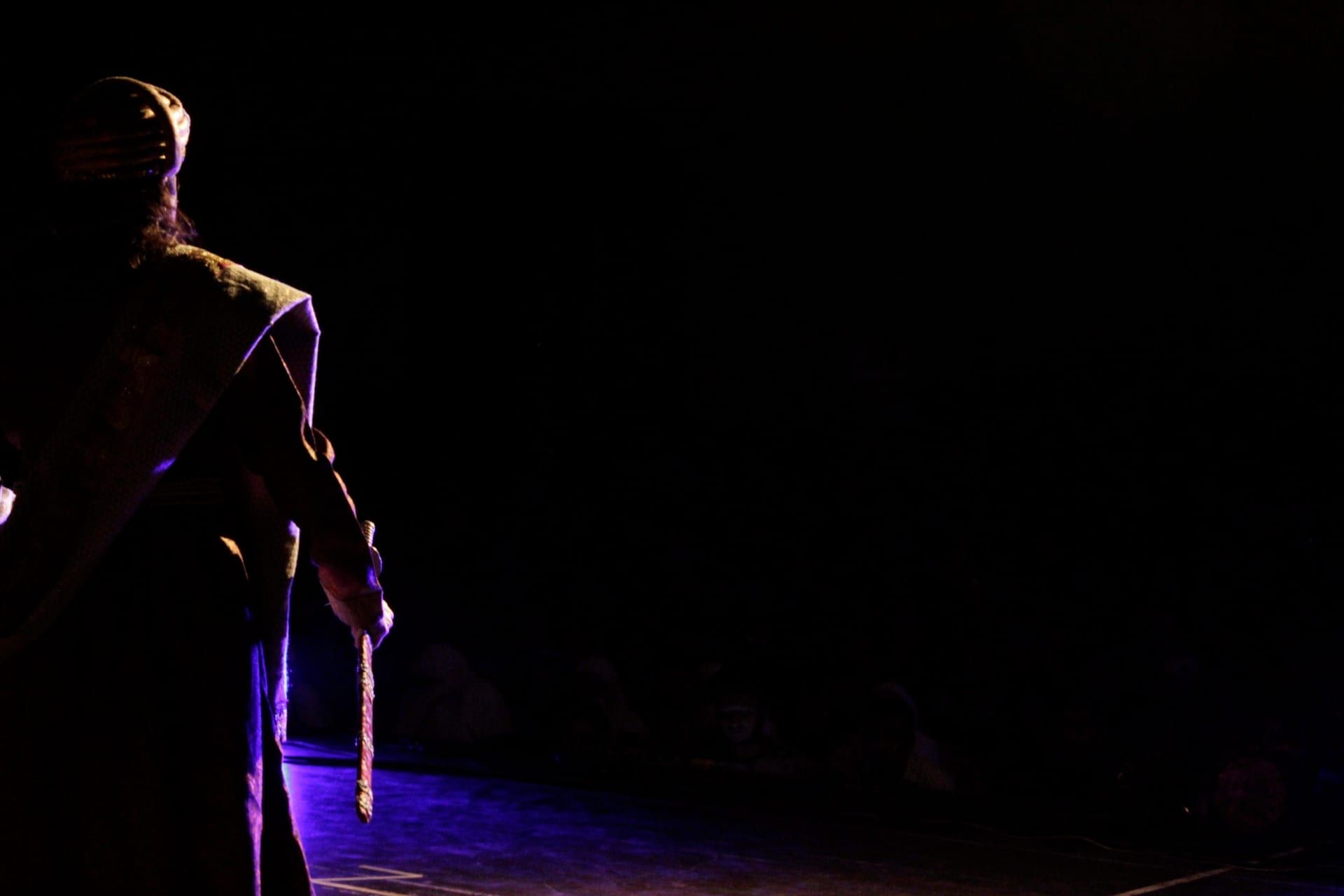
Magadha, in the lifetime of Mahavir. King Shrenik has just read a letter from his dying nagarsheth — a man who spent a whole life enlarging a trade across countries and never found an hour for his wife, his sons or his God, and who writes at the end to say so. Shrenik puts the letter down and sends for his minister. Samay ja samay nu kaam kare, he says: time does time's own work. Before his subjects sleep their way to the same regret, he wants to walk out among them. What the king finds on that walk is the first half of the play. A young man pays a vegetable seller five gold mohar for a mohar's worth of brinjals, because three and a half dokda were left owing in that lane by his father years earlier and he had promised to clear them. Two merchants who have competed all their lives sit together, and the one with money offers to pay for the other's daughter's wedding. A farmer sends the year's surplus grain to the royal granary because three people do not need it. Nobody sermonises. This is simply what people do under a king who is trying to live well, and it is the ground the rest of the play stands on. Then the figures Jain literature has carried for twenty-five centuries come on, and Shrenik stays as sutradhar — the audience's way in. Mahavir's household is here: his brother Nandivardhan, his wife Yashoda and his daughter Priyadarshana, the people a renunciation is walked away from and who then have to go on living. So are his disciples — Sudharmaswami; Indrabhuti Gautam, the Vedic scholar who arrives to defeat him in debate and leaves as his first ganadhar; and Goshalak, the follower who breaks away, turns on his teacher and hurls the tejoleshya at him. At the end Shrenik himself is in a cell, imprisoned by his own son Kunik, calling on the master he had spent the play introducing. Written by Satya Mehta and directed by Manoj Shah, Virayan sets all of it on the plainest Jain proposition there is: karma. Not doctrine handed down from a dais, but the thing that quietly settles what becomes of each of these people. Kanhaiya wrote a fifty-four-cue score, sung by Parthiv Gohil, Suresh Joshi and Uday Mazumdar, and Huseini Dawawala lit the two acts and assisted the direction. It was presented by Ajaramar Youths and played at the Zaverben Sabhagruh in Hingwala, Ghatkopar, on the morning of 6 October 2018, to a hall that held the monks and nuns of the Shri Vardhman Sthanakvasi Jain Shravak Sangh along with its lay members.
Third Bell
Let's See Ourselves on Stage
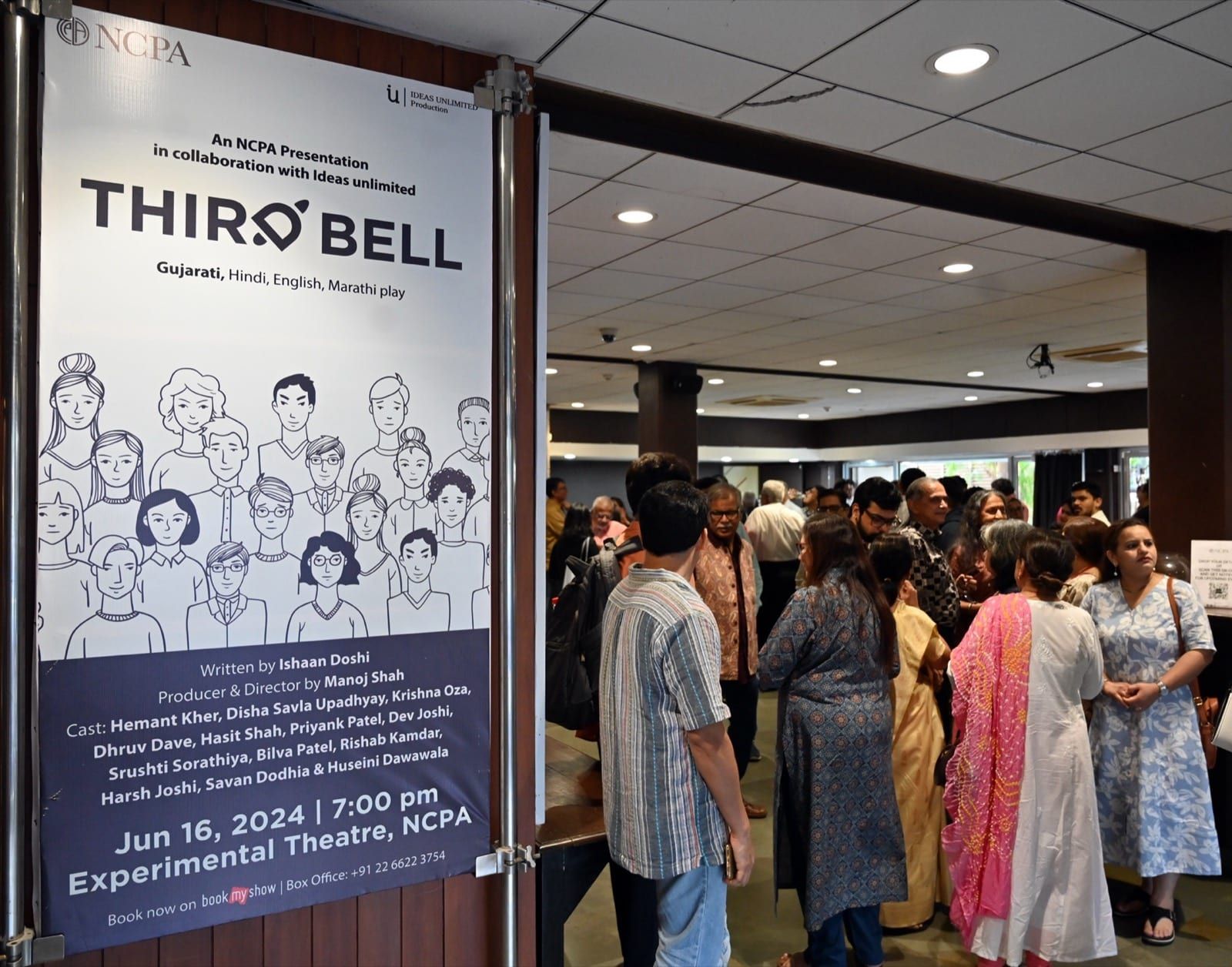
In theatre tradition, the third bell signals that the show is about to start. But what if that bell never rings? What if the real drama is already unfolding in the seats of the auditorium? Third Bell is a meta-theatrical celebration of the audience — a series of conversations, confessions, arguments, and revelations between strangers and companions, all waiting for a performance to begin. A married couple whose argument about a bathroom break turns into a conversation about love, memory, and missed anniversaries. A grieving widow and a guarded painter who spark an unexpected friendship. Two men sitting beside each other who might be a bumbling impresario and a spy — or just very committed audience members. A first date on the edge of implosion. A father and daughter tangled in generational expectations. A narrator and director trying, and failing, to keep everything on schedule. Written by Ishan Doshi and directed by Manoj Shah, Third Bell is a tribute to those who come to watch, wait, wonder, and maybe find a little bit of themselves before the curtain rises.